

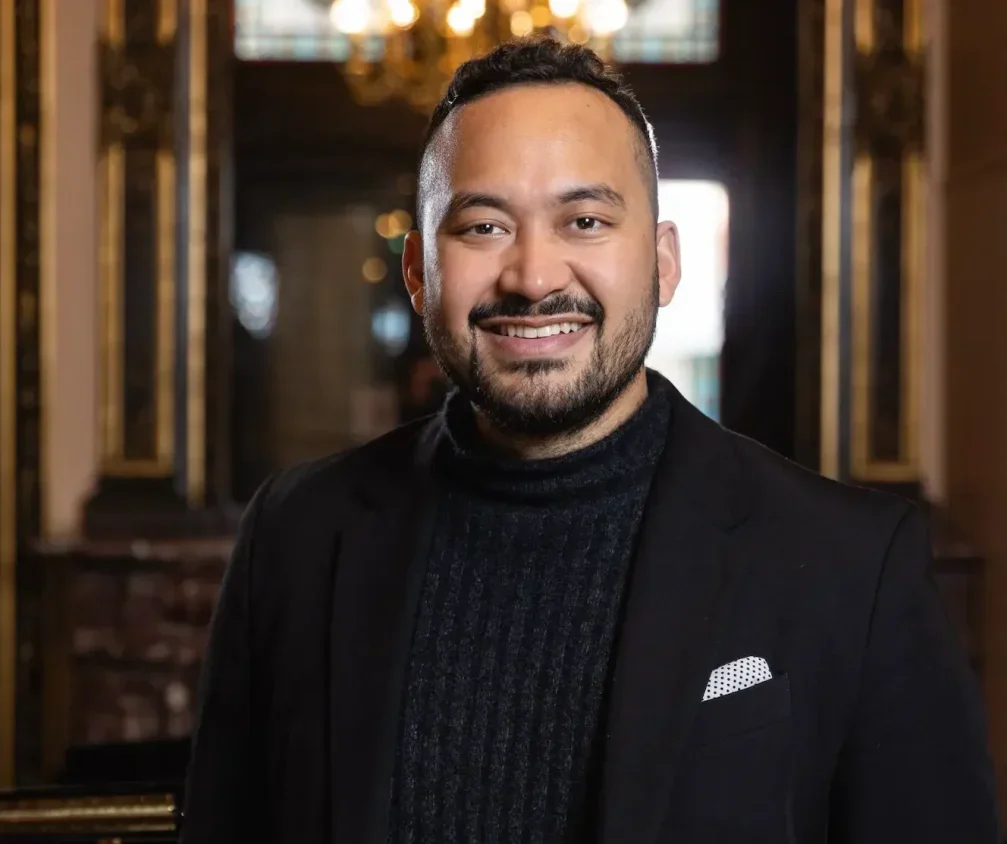
Santa Barbara’s current wave of Beethoven-mania continues in the new year as the Santa Barbara Symphony (SBS) prepares for its two-day Beethoven Piano Concerto Marathon. In separate programs on Saturday night and Sunday afternoon, January 17 and 18, The Granada Theatre will be the home base for all five of Beethoven’s legendary concertos, featuring gifted young pianists on the rise, if not of the household name status, yet.
This comes in the midst of a presumably coincidental convergence of Beethoven focus in town this season. It could be said to have begun with Jeremy Denk’s Beethoven+ trio of recitals during last summer’s Music Academy of the West festival, continuing with Camerata Pacifica’s current cycle of Beethoven piano sonatas (including the upcoming Friday, January 16, program at Hahn Hall) and in famed virtuoso Víkingur Ólafsson’s Hammerklavier sonata–centered recital at Campbell Hall last fall.
Moving on to the concerto portion of this unofficial Beethoven tribute season, Santa Barbara Symphony maestro Nir Kabaretti — currently in his 20th season at the SBS helm — has curated the marathon in a thematic rather than chronological fashion. On the Saturday-night menu, Beethoven’s Egmont overture serves as the introductory course leading concertos No. 3 and 4. Sunday’s program is a meaty portion, with No. 1 followed by No. 2, and logically finishing off with No. 5.
At the Granada, the piano throne rotation over the weekend features Min Joo Yi, Evren Ozel, Dmitry Shishkin, Angie Zhang, and Jonathan Mamora. Each pianist boasts important piano competition laurels to their name, from Yi’s win of the Music Academy of the West Solo Piano Concerto Competition to Ozel’s Cleveland International Piano Competition prize and Shishkin’s trophies from the International Tchaikovsky and Geneva International competitions.
Beethoven’s piano concertos, like his set of 32 piano sonatas, qualify as a repertorial world of its own in the universe of classical piano music. And in both cases, the various vintages and stylistic characters partly tell the story of the composer’s artistic evolution and immortal influence.


The official body of work spans his first concerto written as a precocious 25-year-old (actually written after the second, but numbered by the publisher), although he also wrote a concerto as a 14-year-old, but with only the piano part surviving. The grand and ever-popular fifth “Emperor” concerto, written in 1809, came at a stage when Beethoven’s severe hearing impairment prevented him from performing the piece himself.
Among the features of other concertos are a lightness in the second contrasted by the darker colorations of the third, and the unusual pensive solo piano opening of the sublime fourth concerto.
On this Granada weekend, listeners going the distance for both programs will be afforded the rare chance to compare and contrast a great body of music, live and in the orchestral/pianistic flesh.
For extracurricular preparatory listening, check out the recording of the concerto cycle by Mitsuko Uchida with the Berlin Philharmonic at bit.ly/499pmUA.
For more information on the Beethoven Piano Concert Marathon weekend, see bit.ly/4918Ze8.
Related Posts

Premier Events
Thu, Apr 02
5:00 PM
Santa Barbara
Paintings by Michael Vilkin at ART & SOUL GALLERY
Thu, Apr 09
7:00 PM
Santa Barbara
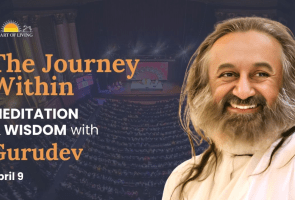
POSTPONED – Journey Within: Wisdom & Meditation with Gurudev – POSTPONED
Fri, Apr 10
2:00 PM
Santa Barbara
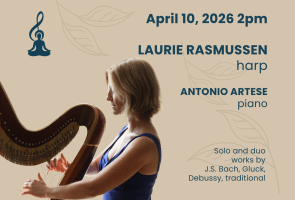
Music & Meditation SB – Concert April 10, 2026
Fri, Apr 03
2:00 PM
Santa Barbara
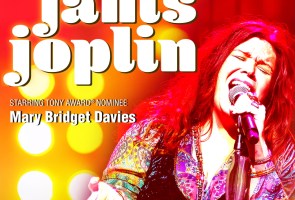
Ensemble Theatre Company Presents “A Night with Janis Joplin”
Fri, Apr 03
5:00 PM
Lompoc
Filipinos’ Contributions to Once Making Lompoc…
Fri, Apr 03
7:30 PM
Santa Barbara
Lahaina: Voices of Change

Sat, Apr 04
9:00 AM
Santa Barbara
Mesa Harmony Garden Spring Plant Sale

Sat, Apr 04
9:00 AM
Santa Barbara
Passport Fair, hosted by Congressman Salud Carbajal

Sat, Apr 04
9:30 AM
Santa Barbara
The Great Egg Hunt
Sat, Apr 04
5:00 PM
Santa Barbara
Classical Guitar at Art & Soul

Sun, Apr 05
10:00 AM
Santa Barbara
Easter Brunch at Brass Bear
Tue, Apr 07
7:30 PM
Solvang
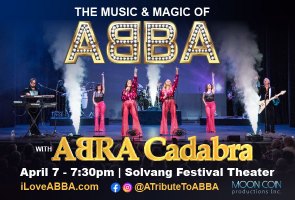
ABRA Cadabra – ABBA Tribute Band
Wed, Apr 08
11:00 AM
Santa Barbara
True Story of Fremont Foxen & the San Marcos Pass
Thu, Apr 02 5:00 PM
Santa Barbara
Paintings by Michael Vilkin at ART & SOUL GALLERY
Thu, Apr 09 7:00 PM
Santa Barbara
POSTPONED – Journey Within: Wisdom & Meditation with Gurudev – POSTPONED
Fri, Apr 10 2:00 PM
Santa Barbara
Music & Meditation SB – Concert April 10, 2026
Fri, Apr 03 2:00 PM
Santa Barbara
Ensemble Theatre Company Presents “A Night with Janis Joplin”
Fri, Apr 03 5:00 PM
Lompoc
Filipinos’ Contributions to Once Making Lompoc…
Fri, Apr 03 7:30 PM
Santa Barbara
Lahaina: Voices of Change
Sat, Apr 04 9:00 AM
Santa Barbara
Mesa Harmony Garden Spring Plant Sale
Sat, Apr 04 9:00 AM
Santa Barbara
Passport Fair, hosted by Congressman Salud Carbajal
Sat, Apr 04 9:30 AM
Santa Barbara
The Great Egg Hunt
Sat, Apr 04 5:00 PM
Santa Barbara
Classical Guitar at Art & Soul
Sun, Apr 05 10:00 AM
Santa Barbara
Easter Brunch at Brass Bear
Tue, Apr 07 7:30 PM
Solvang
ABRA Cadabra – ABBA Tribute Band
Wed, Apr 08 11:00 AM
Santa Barbara

