
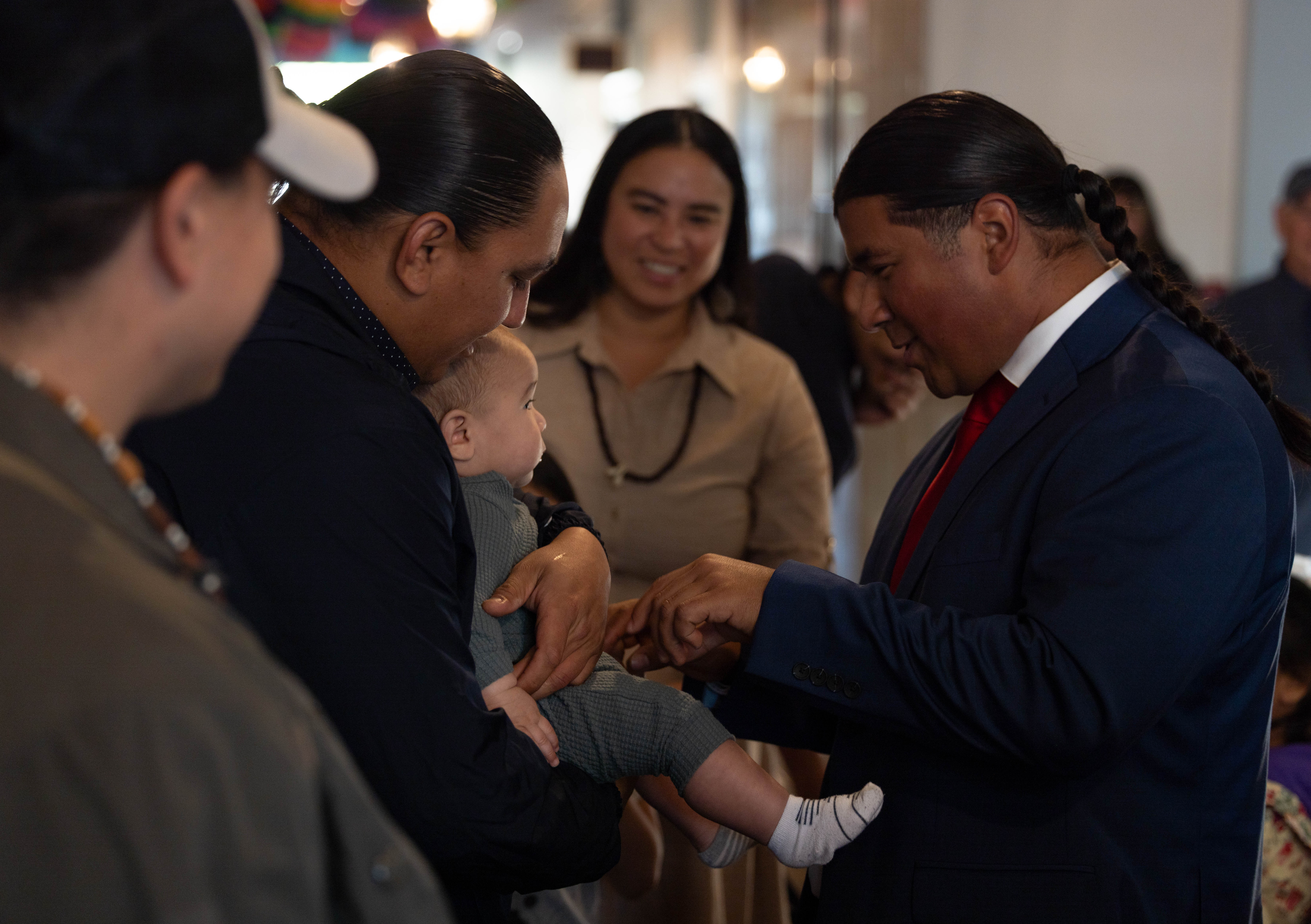
Santa Barbara’s newest Harbor Commissioner Spenser Jaimes took his seat on the dais with a big smile across his face during his first official meeting after being appointed on January 15. A group of family, friends, and members of the Chumash community sat in the crowd watching with pride as he was introduced, becoming the city’s first-ever Indigenous representative on the commission.
Jaimes, a 23-year-old Indigenous rights advocate, waterman, and descendent of the Coastal Band of the Chumash Nation, was selected by Santa Barbara City Council out of 13 applicants, earning the support of Councilmembers Meagan Harmon, Wendy Santamaria, Kristen Sneddon, and Oscar Gutierrez. He will serve on the commission until January 2029.
Jaimes traces his Šmuwič Chumash family roots to before the region was even called Santa Barbara, when the waterfront was known as the village of Syuxtun. In his first remarks as a member of the commission, Jaimes shared his memories of joining his family for paddle-outs in the traditional redwood plank tomols, and the deep connection it created with the harbor.
“Growing up in Santa Barbara, the waterfront was never something separate from our daily life,” Jaimes said. “It was not a backdrop; it was a teacher to not only me, but to our whole community and our family.”
Jaimes says he learned to love the rituals of loading up the tomol and then greeting all the familiar faces from the harbor kiosks to the marina and the launch ramp. He carries on the tradition to today, maintaining the tomols and organizing regular community paddle-outs.
At the age of 19, Jaimes directed a short film, Connected by Water, which highlighted the cultural practice of tomols and was featured in the 2022 Santa Barbara International Film Festival. Over the past several years, Jaimes has emerged as a young leader in the community, traveling the world as an Indigenous advocate, reviving Chumash diving practices, and serving as a boardmember with the Museum of Contemporary Art Santa Barbara.
Now, Jaimes hopes to continue his work in his new capacity as harbor commissioner.
“I carry immense pride and responsibility as the first Chumash person to serve on the Santa Barbara Harbor Commission,” Jaimes told the Independent. “Our people have stewarded these waters for thousands of years, and in the history of the waterfront, this moment is both historic and long overdue. A Chumash win is a win for everyone because it means leadership grounded in stewardship, sustainability, and making the harbor more accessible and affordable for working families and future generations.”
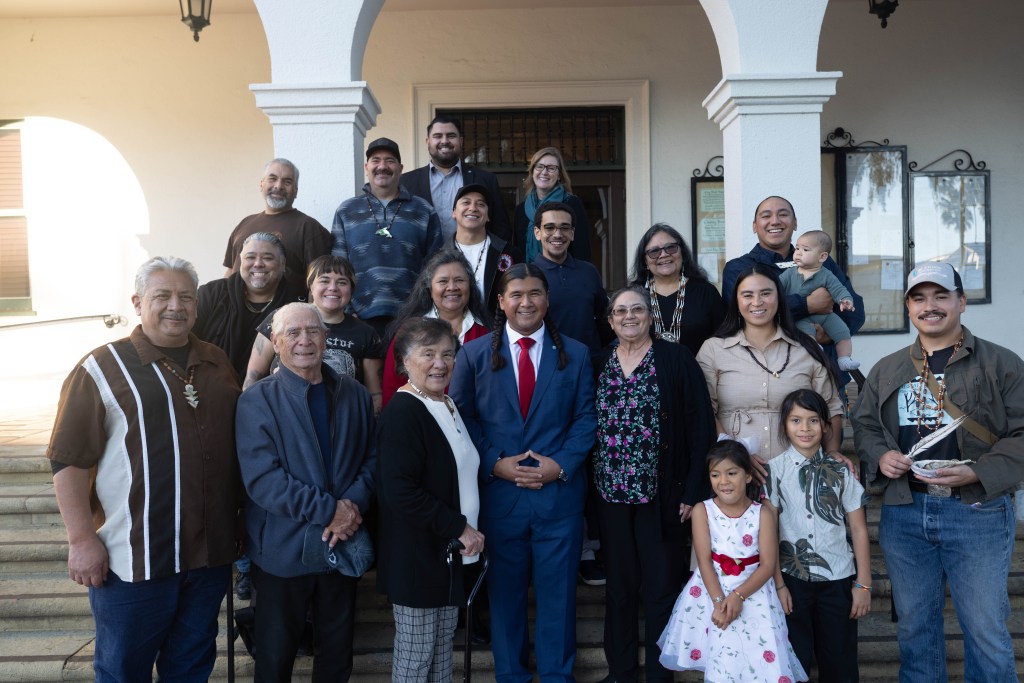
When Jaimes was sworn in at City Hall, he was joined by his family and his father, David Jaimes, a tomol captain who taught his son the ways of the water. His family held a blanketing ceremony for Jaimes, honoring his grandparents and late Chumash elders such as Gloria Liggett and Roberta Cordero.
Waterfront Director Mike Wiltshire extended his congratulations to Jaimes and welcomed him to the commission. Wiltshire said he was eager to have Jaimes’s perspective and input on the board. During that first meeting on January 15, Jaimes jumped at the chance to join the commission’s commercial fishing and budgetary workshop groups.
“I can tell he’s got a very vested interest,” Wiltshire said.
Jaimes said he hopes to help the commission find ways to honor and balance the priorities of commercial fishing, recreation, tourism, environmental protection, and cultural continuity all at the same time.
“I’m committed to collaboration, solutions that balance access with protection, ensuring that our harbor remains a welcoming, resilient, thriving environment for generations to come,” he said, “and creating thoughtful, respectful ways for Chumash history and presence to be acknowledged — not as something in the past, but as something present and living.”
Jaimes says that he wants the public to see the harbor as “more than infrastructure.”
“It’s our livelihood. It’s our culture, and it really is all of our futures,” he said. “And as harbor commissioner, I bring with me not only my Indigenous identity, but a lived understanding of the harbor as a working, shared, sacred space, really, to all of us.”
Related Posts



Premier Events
Fri, Mar 06
2:00 PM
Santa Barbara
Music & Meditation SB – Concert March 6, 2026
Sat, Mar 07
9:00 AM
Carpinteria
El Carro Park Cannabis Career Fair – Carpinteria

Sun, Mar 08
6:30 PM
Santa Barbara
6th Eco Hero Award Brock Dolman & Kate Lundquist
Fri, Mar 06
7:30 PM
Santa Barbara
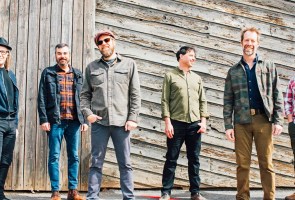
An Evening with Steep Canyon Rangers

Fri, Mar 06
8:00 PM
Santa Ynez
Funk Band Kool & The Gang at Chumash
Mon, Mar 09
6:30 PM
Santa Barbara
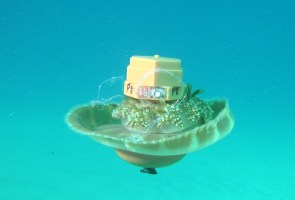
Science Pub: Cyborg Jellies Exploring Our Oceans

Sat, Mar 28
All day
Santa Barbara
Coffee Culture Fest
Fri, Mar 06 2:00 PM
Santa Barbara
Music & Meditation SB – Concert March 6, 2026
Sat, Mar 07 9:00 AM
Carpinteria
El Carro Park Cannabis Career Fair – Carpinteria
Sun, Mar 08 6:30 PM
Santa Barbara
6th Eco Hero Award Brock Dolman & Kate Lundquist
Fri, Mar 06 7:30 PM
Santa Barbara
An Evening with Steep Canyon Rangers
Fri, Mar 06 8:00 PM
Santa Ynez
Funk Band Kool & The Gang at Chumash
Mon, Mar 09 6:30 PM
Santa Barbara
Science Pub: Cyborg Jellies Exploring Our Oceans
Sat, Mar 28 All day
Santa Barbara


You must be logged in to post a comment.