
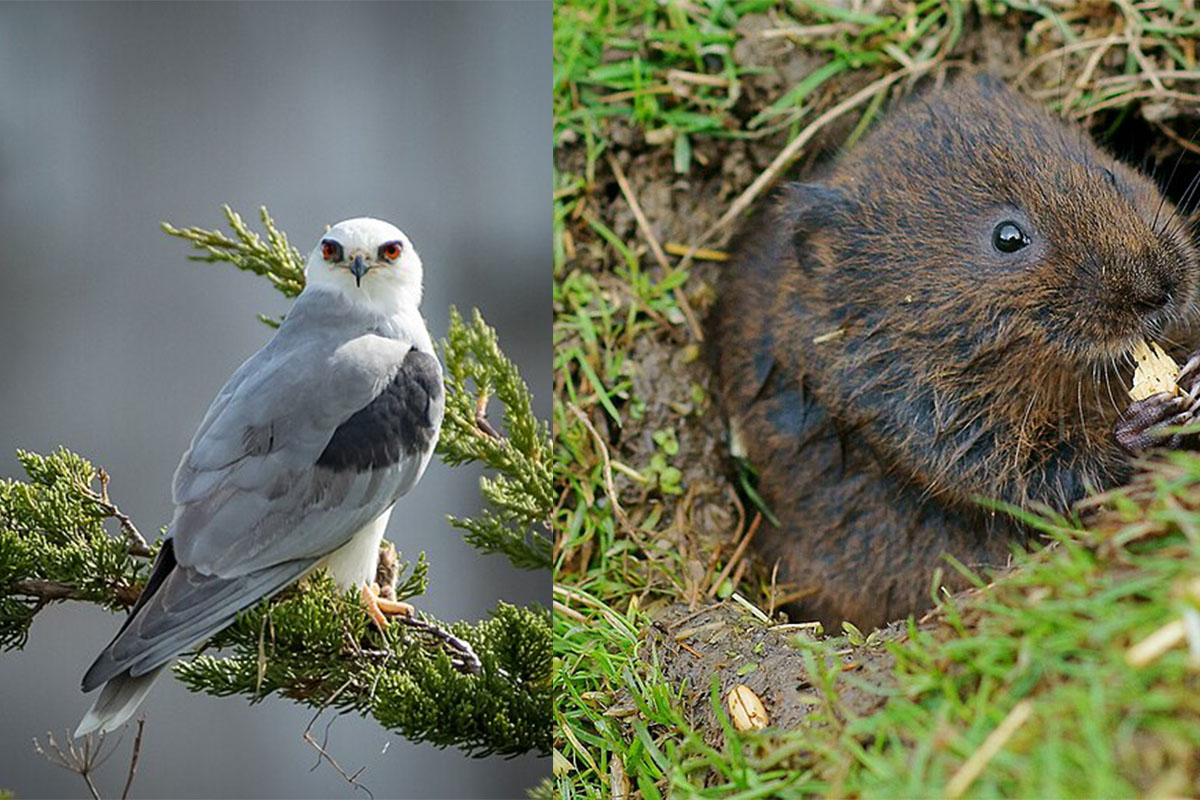
A stout little rodent got the spotlight at the Santa Barbara County Planning Commission meeting on Wednesday.
Voles, a relative of hamsters, were a sticking point. They are a favorite snack of the endangered white-tailed kite — a small species of raptor that may lose some territory on the Gaviota Coast due to a proposed housing development.
Despite the kite being a favorite bird of the commissioners, the commission approved the proposal in a 4-1 vote. Environmental groups were trying to appeal it to protect the rural coastline.
Only Commissioner John Parke — whose district is where the project lies — voted for the voles and against the development.
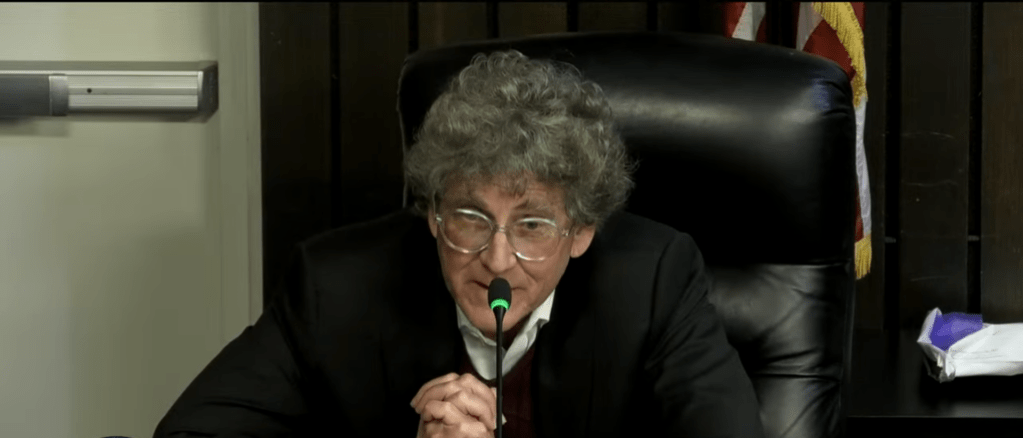
Parke admitted he liked the project. It’s a seaside estate on the Naples bluff consisting of a 6,100-square-foot home, garage, accessory dwelling unit (ADU), 2,000-square-foot barn, pool, spa, driveway, and an onsite wastewater treatment system.
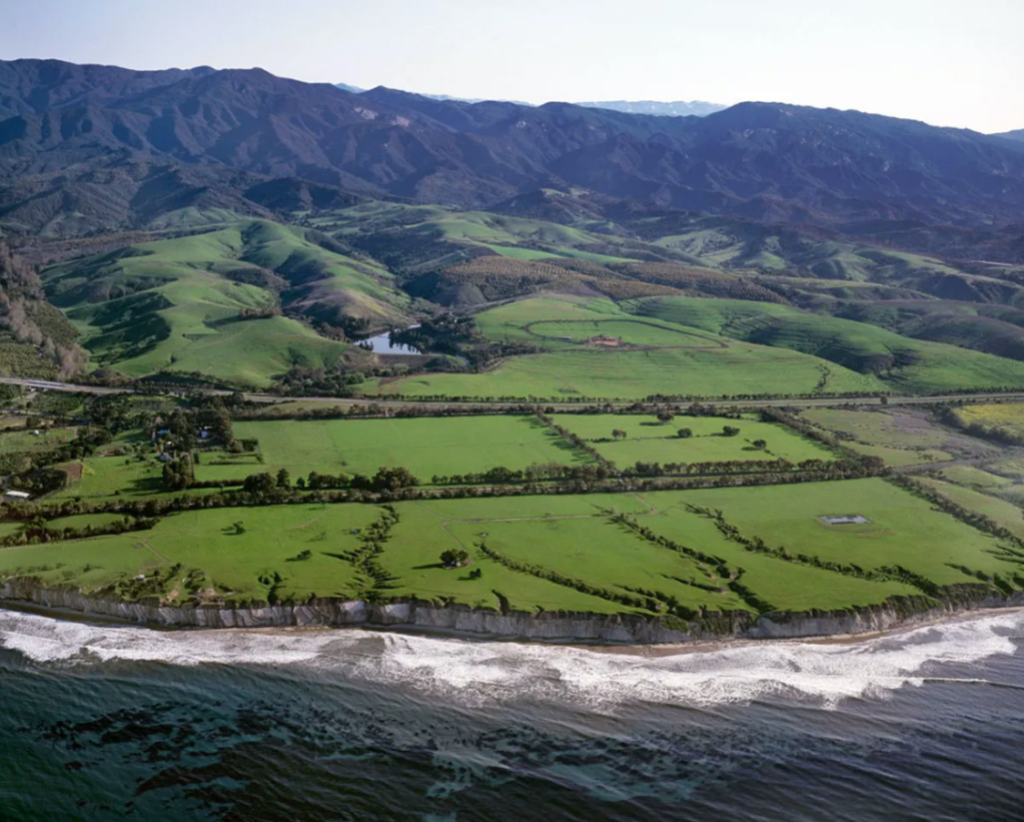
But Parke grew up fishing right off the Naples bluff. It’s “different and special,” he noted, being an undeveloped coastal terrace. He worried about the kites’ foraging grounds.
Parke pressed officials about the voles, particularly how their burrows may have been affected by illegal discing — soil tilling done by a third party without permission on the proposed lots in 2019. He couldn’t get a clear answer, which he said signaled a need for further review.
“I’d like to live there,” Parke joked, “but I can’t support the project. We should not fragment this coastal terrace for the sake of one property.”
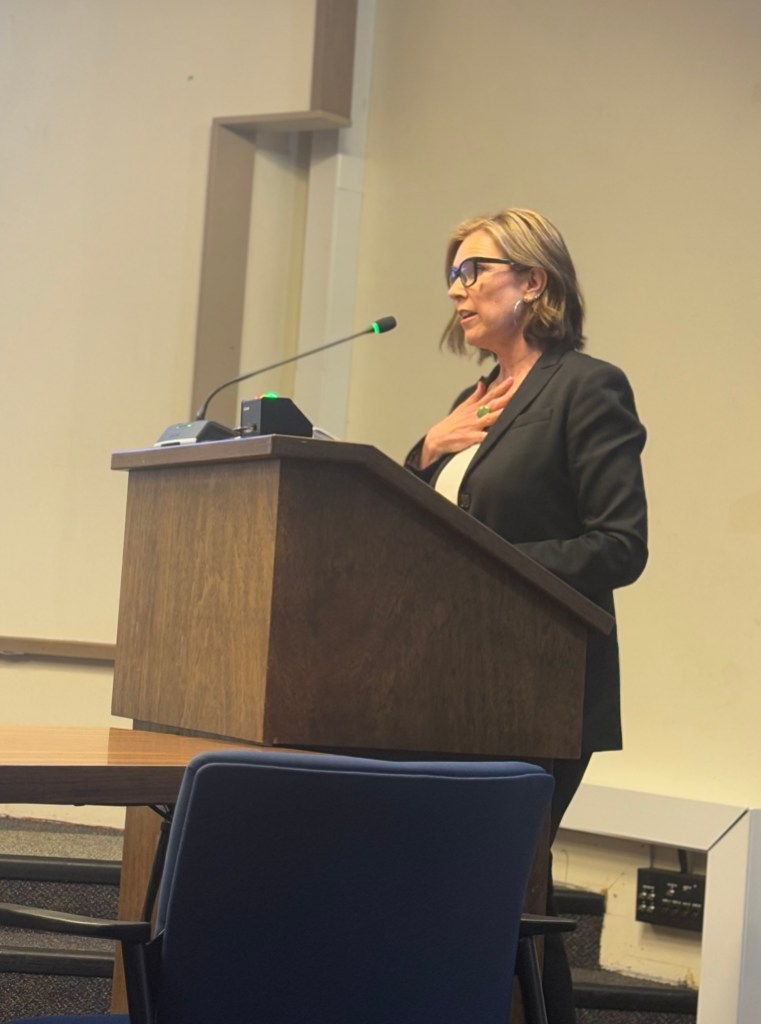
However, the applicant — Dr. Peter Ma of Diamond Bar, a Los Angeles County suburb — has been trying to develop his property for 10 years, argued his representative, Beth Collins.
He has committed to restoring the areas affected by discing — alongside other mitigation promises — in exchange for building his estate.
His project merges four lots into one to minimize density and comes with a restoration plan that exceeds county requirements. It even dedicates trails to establish the first formal public access to Naples. For open space, 84 percent of the 14-acre site would be preserved.
In essence, it could be a whole lot worse, Collins said. Her client is “going above and beyond” while still using his land. She charged that the difficulty and length of the process points to why Santa Barbara County has a housing crisis. His proposal, she said, is “exceedingly reasonable.”
And, thanks to the proposed ADU and an additional junior ADU, it is a protected development under the state’s Housing Accountability Act, meaning the county can only deny the project if it poses a specific, unavoidable health or safety impact.
The Environmental Defense Center (EDC), on behalf of the Surfrider Foundation, and the Gaviota Coast Conservancy appealed the project to the Planning Commission, the crux of their arguments being for the birds and bees that live on the coast.
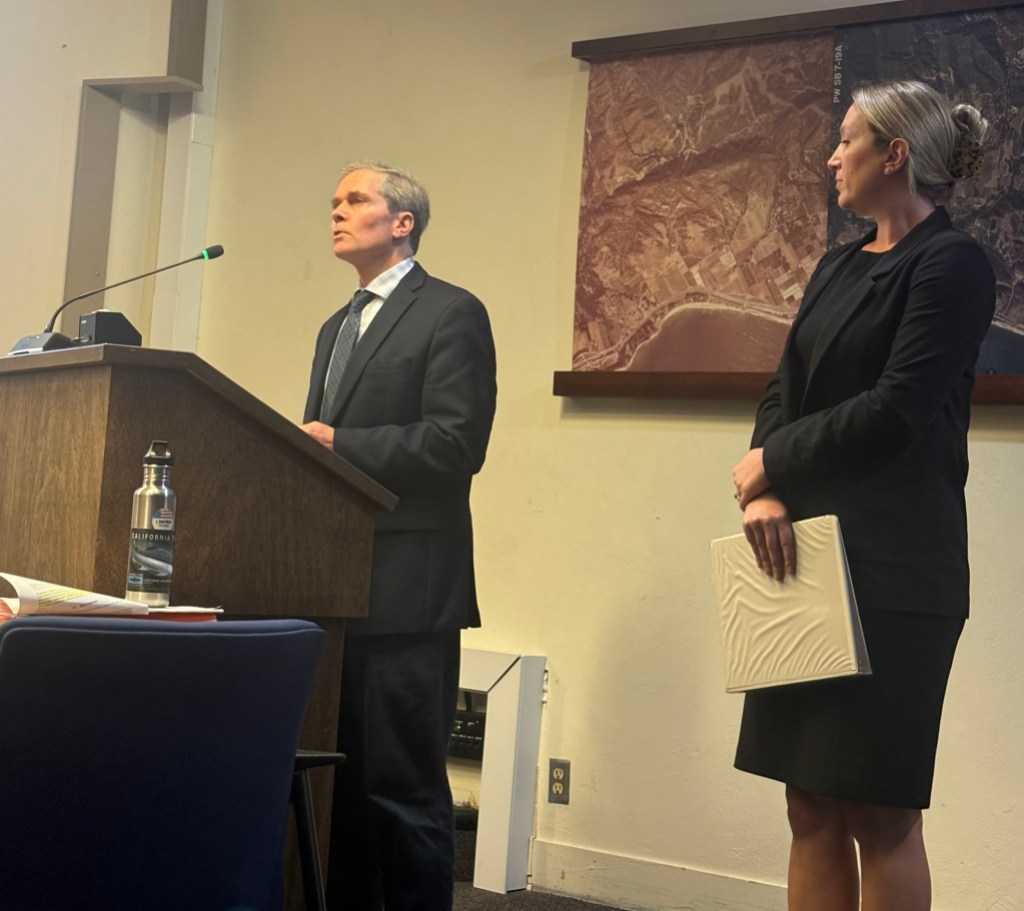
The project area has a “highly diverse population of flora and fauna,” noted Tara Rengifo, senior attorney with the EDC. The Gaviota Coast, she emphasized, is one of the largest remaining stretches of undeveloped coastline in California.
Restoration from illegal discing has been delayed for years because it’s tied to the housing project, so appellants were asking to decouple the two. They said the current plan does not adequately address all wildlife impacts, such as to bees — including the rare Crotch’s bumblebee — nor all areas affected by the discing, they said.
They argued that just because a project falls under the HAA, it does not exempt it from complying with relevant land-use acts or environmental review. Concerns over safe wastewater disposal and water needs — the area is in a high fire hazard zone — were also mentioned.
County staff countered all these issues. They said the project is consistent with county plans. It includes proposed protection for bumblebees and does not disturb white-tailed kite nesting sites, they said. They recommended the commission deny the appeals.
This upset a group of public commenters who came out in defense of the so-far untouched stretch of coastline where they’ve long surfed and played, as well as the wildlife that live there. One commenter even passed out abalone shells from the coast to the commissioners.
“Save Naples” is a long-running campaign — this project would be the first to be built on the 71 lots at Naples approved for development back in 2008.
“Once we change this landscape, we change it forever,” said one commenter, Marianne Parra.

While a majority of commissioners expressed their respect for the land, they emphasized property rights and the hard work of the applicant to mitigate any negative impacts. The actual housing footprint is just a stamp on the proposed development envelope, said Commission Chair Roy Reed.
They also noted that, no matter what, the item was likely to go before the Board of Supervisors and possibly even the Coastal Commission. It ultimately got their stamp of approval.
“I love nature — my two favorite birds, besides the black phoebe, are the loggerhead shrike and the white-tailed kite,” Reed said. “However, I don’t see that and the impact on their habitat as something that is pivotal to my decision here.”
“Given that it’s a raptor — it’s capable of flight,” he said. “They can fly over that disturbed area, look next door, and see something they want to eat.”
Like the kites’ grassy hunting grounds, the discussion was very in-the-weeds. But it now will move on to the Board of Supervisors.
Related Posts






Premier Events

Mon, Mar 09
6:00 PM
Santa Barbara
ART 4 GRIEF Support Group

Sat, Mar 14
7:00 PM
Santa Barbara
Red, White, & Blues II: The American Songbook
Sun, Mar 15
3:00 PM
Santa Barbara
Red, White, & Blues II: The American Songbook

Thu, Mar 12
6:00 PM
Santa Barbara
Poetry, Typewriters, and Collage Workshop
Thu, Mar 12
6:30 PM
Santa Barbara
An Evening of Wild Hope: PBS Film Screenings

Thu, Mar 12
7:00 PM
Santa Barbara
Lights Up! Presents: “The Addams Family”

Thu, Mar 12
7:30 PM
Santa Barbara
UCSB Music of India Winter Concert

Fri, Mar 13
6:00 PM
Santa Barbara
GLOW X: A High-Definition Neon Experience

Fri, Mar 13
7:00 PM
Goleta
Folk Orchestra of Santa Barbara Celtic Concert

Fri, Mar 13
7:00 PM
Goleta
Peace Event

Sat, Mar 14
1:00 PM
Santa Barbara
St. Patrick’s Day Irish Firedance

Sat, Mar 14
1:00 PM
SANTA BARBARA
SBCC’s Science Discovery Day

Sat, Mar 14
3:00 PM
435 State St, Santa Barbara, CA 93101
☘️ Santa Barbara St Patrick’s Day Bar Crawl & Block Party
Mon, Mar 09 6:00 PM
Santa Barbara
ART 4 GRIEF Support Group
Sat, Mar 14 7:00 PM
Santa Barbara
Red, White, & Blues II: The American Songbook
Sun, Mar 15 3:00 PM
Santa Barbara
Red, White, & Blues II: The American Songbook
Thu, Mar 12 6:00 PM
Santa Barbara
Poetry, Typewriters, and Collage Workshop
Thu, Mar 12 6:30 PM
Santa Barbara
An Evening of Wild Hope: PBS Film Screenings
Thu, Mar 12 7:00 PM
Santa Barbara
Lights Up! Presents: “The Addams Family”
Thu, Mar 12 7:30 PM
Santa Barbara
UCSB Music of India Winter Concert
Fri, Mar 13 6:00 PM
Santa Barbara
GLOW X: A High-Definition Neon Experience
Fri, Mar 13 7:00 PM
Goleta
Folk Orchestra of Santa Barbara Celtic Concert
Fri, Mar 13 7:00 PM
Goleta
Peace Event
Sat, Mar 14 1:00 PM
Santa Barbara
St. Patrick’s Day Irish Firedance
Sat, Mar 14 1:00 PM
SANTA BARBARA
SBCC’s Science Discovery Day
Sat, Mar 14 3:00 PM
435 State St, Santa Barbara, CA 93101


You must be logged in to post a comment.