

Stay up-to-date with all things film fest by subscribing to our Dispatches from SBIFF newsletter featuring
daily reports of what happened last night, and previews of what’s next at the
Santa Barbara International Film Festival. Subscribe here.
Santa Barbara Independent is a proud sponsor of SBIFF’s Audience Choice Award.
Don’t forget to vote for your favorite films.
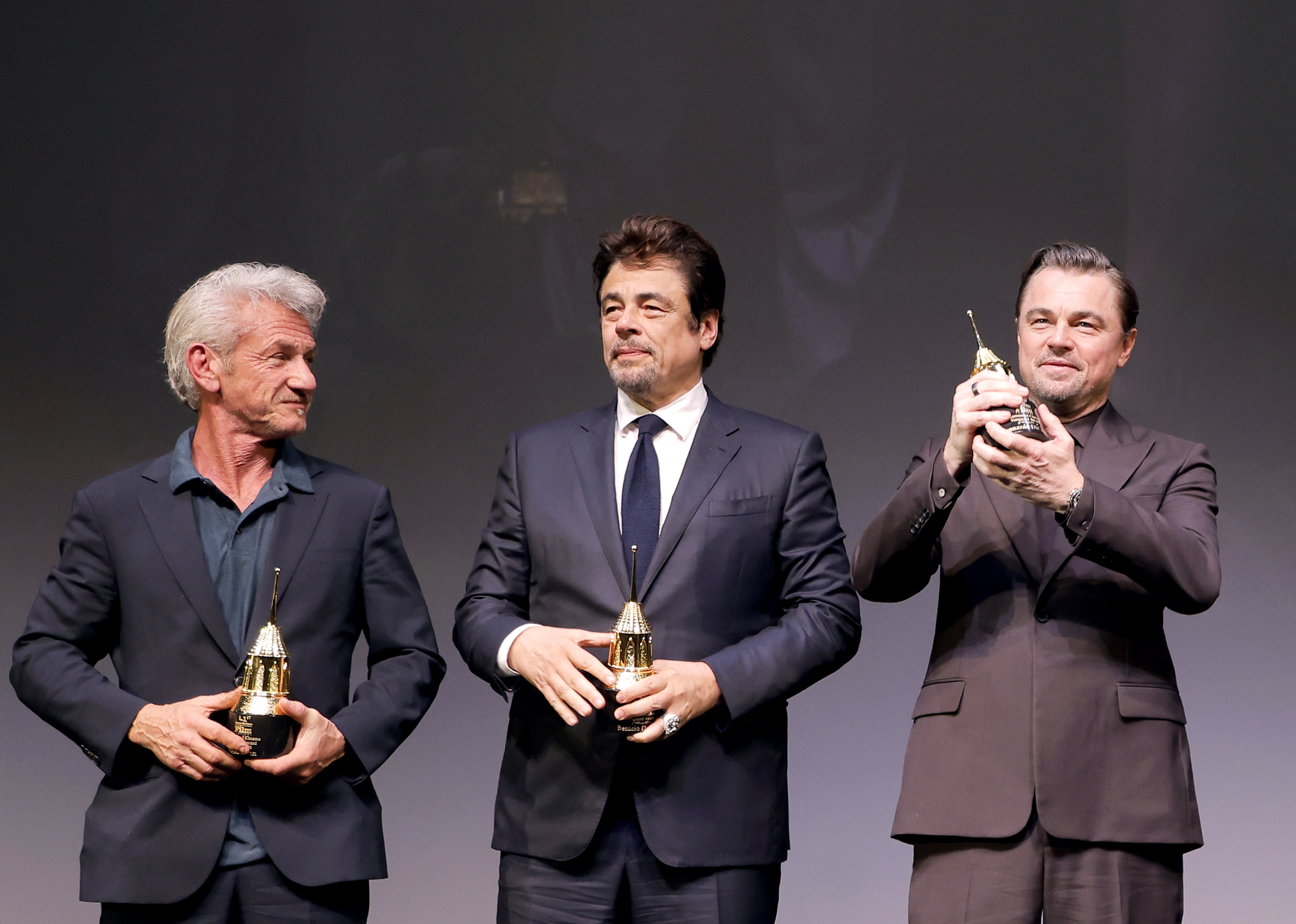
When Leonardo met Sean met Benicio, a special “magic hour” transpired on the Arlington Theatre stage on Monday night, with PT Anderson in the wings, armed with trophies. The central subject was Anderson’s masterful and multiple-Oscar-nominated wild ride of a film One Battle After Another, boasting the singular and collaborative talents of DiCaprio, Penn, and del Toro, in complex and sometimes comic roles flecked in heroism and villainy, and shades in between.
In the annals of SBIFF tributes, this evening was a coup, as festival head Roger Durling exclaimed, after downing a bottle of sponsor Fiji Water’s goods at the podium. It was also the final stop in a long promotional tour for the film, with its stars seeming relaxed and basking in what emerged as a mutual admiration society lovefest. Pete Hammond, of the namesake Hammond Cinema Vanguard Award, was the game and informed moderator for a short tour through the careers of each actor.
After another spectacular montage reel by Mike McGee (long a hero-in-hiding at SBIFF), the men in suits took the stage, suggesting a nouveau Rat Pack, but one with vastly more acting talent than the original. The time flew by in the presence of three powerhouse screen presences in our midst.
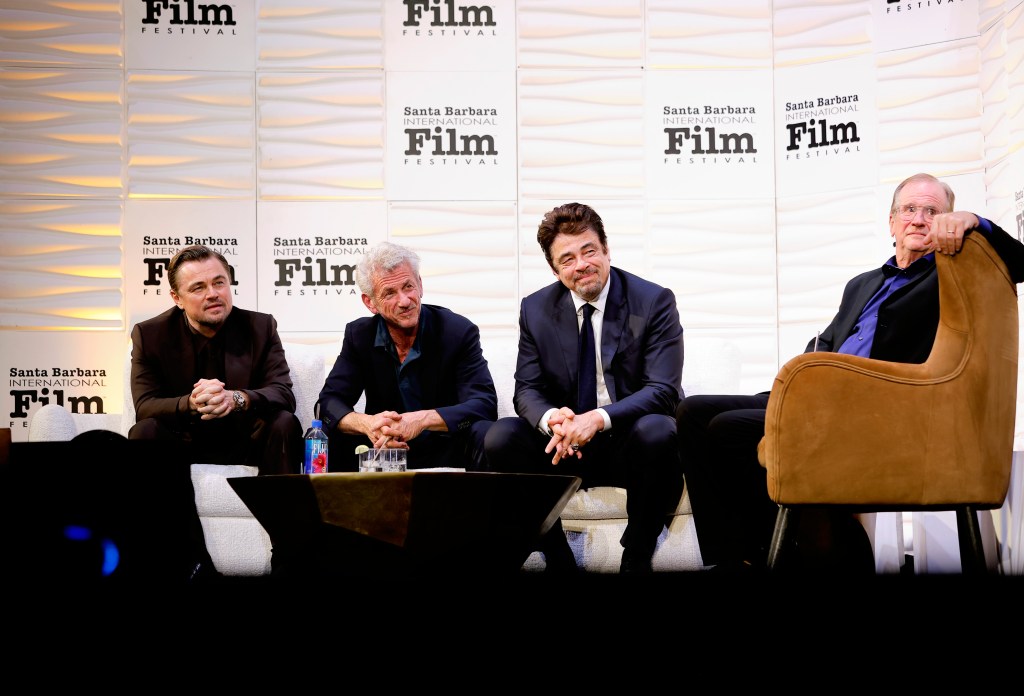
Del Toro, the pithier interviewee of the three, told Hammond that early in his career, advisors suggested he change his name to Ben Dell. After touching on the Super Bowl performance by Bad Bunny, from del Toro’s native Puerto Rico, Penn jumped in, “You should have been Ben Bunny.”
Del Toro rose into the limelight in Steven Soderbergh’s Traffic and has had a string of attention-seizing screen shots, up through two recent films helmed by American “Anderson” directors — One Battle and Wes Anderson’s latest, The Phoenician Scheme. Del Toro mentioned that his character “had a larger character arc in a short amount of time.” In One Battle, his zen-like “Sensei” role is the stuff of pop-cultural cult worship and meme-ifying, especially his scene dealing with arresting officers and admitting he’d had “a few small beers.” At the Arlington, he explained he had told Anderson that “Sensei would not lie to the cops, so I just decorated the truth.”
DiCaprio’s role in Lasse Halstrom’s moving What’s Eating Gilbert Grape? essentially launched his film career and mythos. He commented that, as a child actor who had just come over to the big screen from doing television, “I really didn’t necessarily understand the culture of making movies, the seriousness that goes into it. I gave myself almost a big year-long self-tutorial on cinema and film history. I just fell in love. I want to somehow stand on the shoulders of the giants.”
One of DiCaprio’s many stellar Martin Scorsese–directed career highs came with the audacious The Wolf of Wall Street, which the actor said that he brought to Scorsese’s attention. DiCaprio noted that the film, about greedy excesses of the stock manipulation game, was misunderstood by some. Reflecting on the late ‘80s “Occupy Wall Street” protests, DiCaprio wanted to spotlight the villainous and nefarious machinations of figures like his character, to highlight “this sort of damage they were doing to our country, and more than that, the mentality of all the grief. The film was misunderstood by certain people, that it was a glorification of grief or that culture. But it was meant to make a comment on something innate in us as human beings.”
After a run of many films establishing Penn as one of the finest film actors around, he stepped away from the vehicle of fame for several years, “because I just wasn’t enjoying it.” After reemerging in 2023’s Daddio, he has come back boldly with One Battle. “You can forget what you heard about my sadness,” he quipped.
A moment in the opening montage which audibly gave the audience a laugh was Sean Penn’s iconic surfer/doper character Jeff Spicoli in Fast Times at Ridgemont High. Penn explained that he had known about “a host of characters in my real life that were moving into one element of what was becoming a common personality in American culture, rising out of surfing culture, and it hadn’t been filmed. I was reading that into Cameron Crowe’s character. And it spread into the wider culture from there.”
When Hammond brought up the unexpected timeliness and zeitgeist-tapping nature of One Battle After Another, which Paul Thomas Anderson had been working on for some 20 years, Penn quipped in his deadpan way, “Charlie Chaplin’s loathing of Adolf Hitler began in the ‘30s, when Hitler stole his moustache. See, history repeats itself.”
As a general observation about the cinematic art shared by others onstage, Penn said, “Getting beautiful writing is still the best gift you can get,” which circled back around to the thrill the actors felt given the opportunity to jump into Anderson’s latest opus.
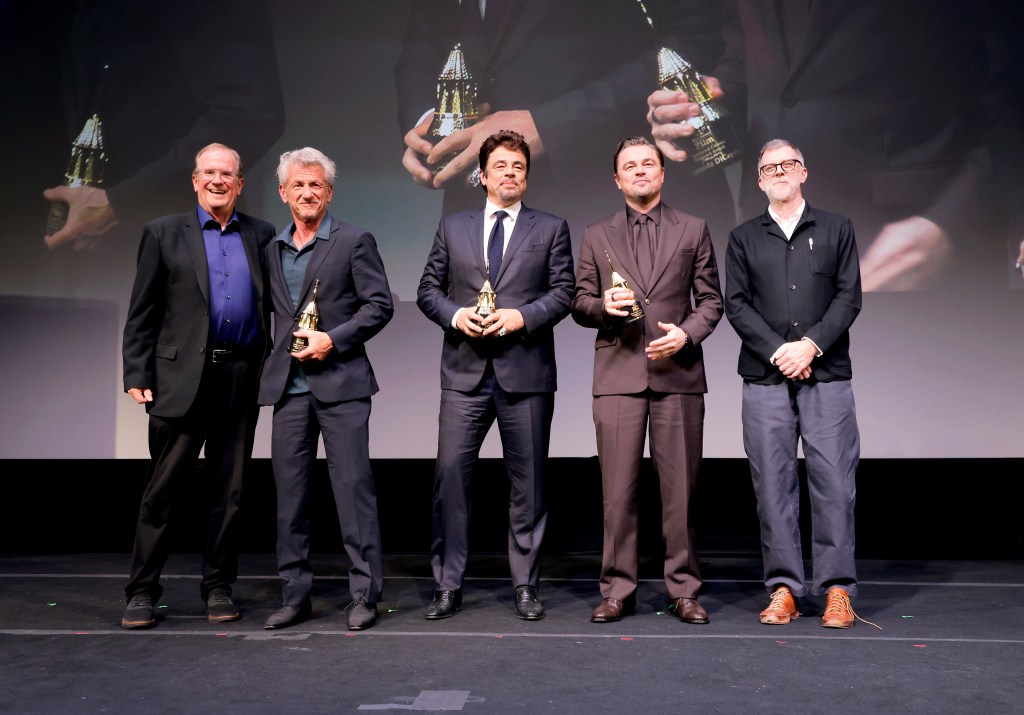
As for Anderson, the deceptively mild-mannered director, who had driven up the 101 for an hour and 45 minutes from his home in Tarzana, was on his game as award presenter. He opened with a Dating Game shtick, asking the three “bachelors” leading questions. But seriously, folks, he said, “I’m happy to be doing this work at the time these actors are around. All are their harshest critics. I have been plotting the day when I could get them all together. It’s a ‘Christmas Adventurers Club’ morning every morning with them.” Suddenly, with that sidelong reference to the latest Jeffrey Epstein files folly — also echoed in an elite cabalistic club in One Battle — it seemed possible that a film concept, extending Kubrick’s Eyes Wide Shut, may be in the works somewhere. But that’s another battle.
Short Take on Shorts
In a way, the ample contingent of short films folded into the overall SBIFF program could be considered a microcosmic festival-within-a-festival, comprising more than 100 titles out of the festival’s overall 200-plus equation. I’m behind in surveying that element of the program, but have caught a few tasty projects so far, including a couple of impressive films with strong Santa Barbara connections, Robert Redfield’s clever Committee Animal and Ralph Torrefranca’s Fil-Am.
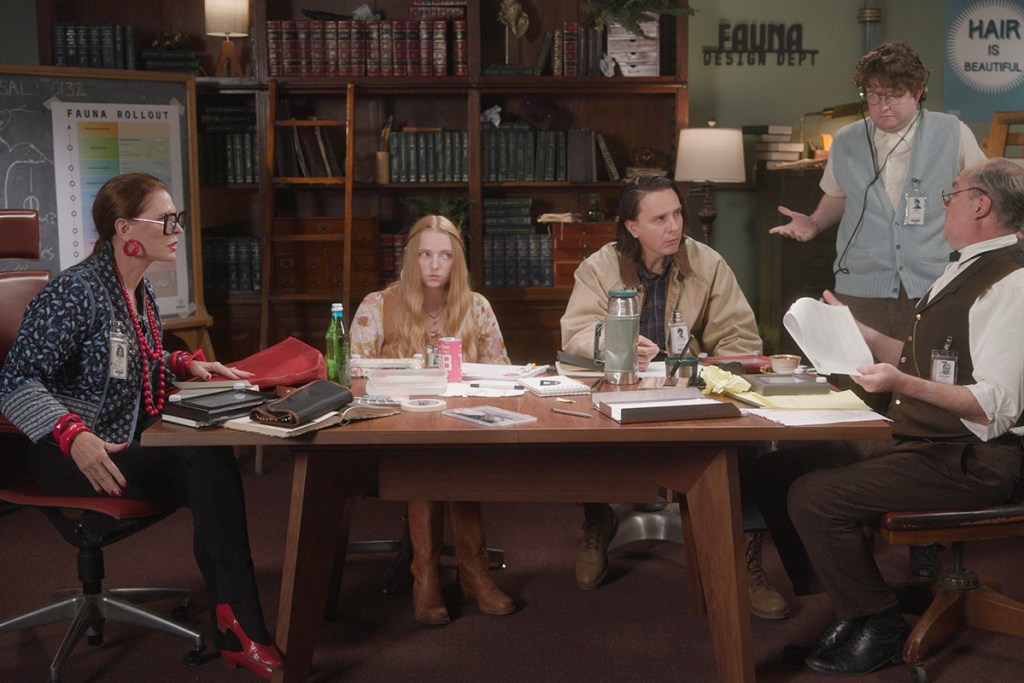
Redfield is a filmmaker well-known in town for having created and widely screened More than Just a Party Band: A Documentary Film, his affectionate tribute to the locally heroic music of Spencer Barnitz or Spencer the Gardener fame. (Full disclosure: I’m in it for a few minutes.) With the fictional short Committee Animal, Redfield re-pivots in a very different direction, into the realm of comedy, with a cast including Leslie Zemeckis. She plays a feisty member of a certain pre–Ice Age “committee,” a group of animal designers from the “Fauna Flora Department.” “It’s stupid to end dinosaurs so soon,” she protests, and faced with derision for her armadillo design, confesses, “Okay, I riffed on the triceratops, but it’s a mammal.”
The short opens with a fitting quote by William Burroughs: “After one look at this planet, any visitor from outer space would say, ‘I want to see the manager!’” Lurking in the meeting room is a corporate poster reading “Make This Epoch Epic.”
Redfield packs a pithy comic punch in his latest outing and achieves the feat of extracting a punch line out of a platypus.
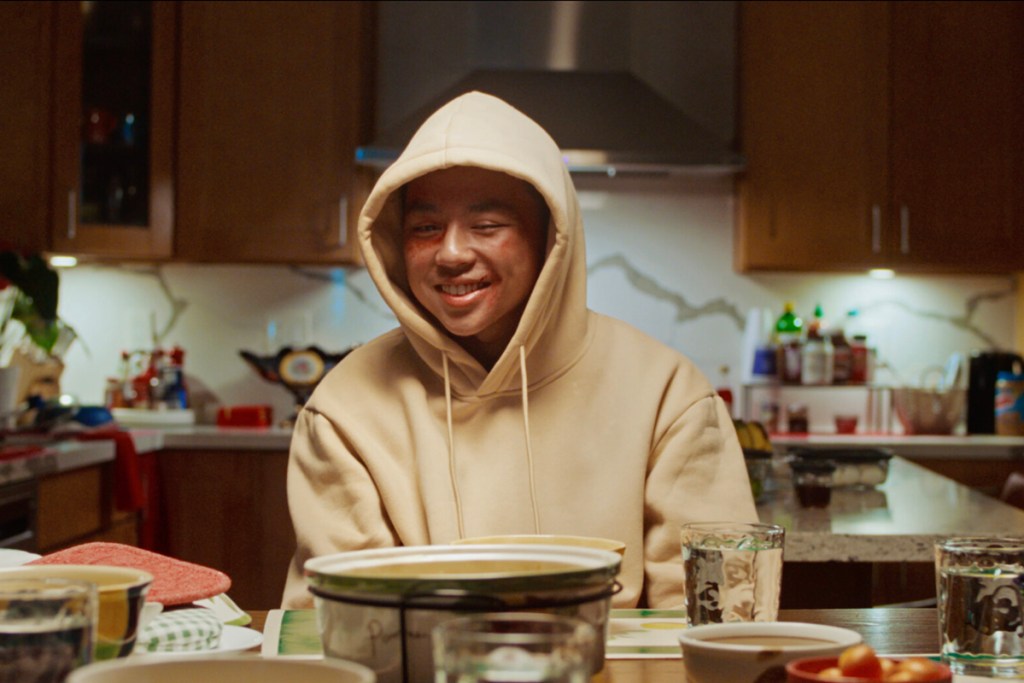
Torrefranca, a Santa Barbara–bred former KJEE deejay now living as a musician, actor, and filmmaker in Los Angeles, touches on his local roots, once removed, in Fil-Am. A Filipino family is on the brink of moving from Milpitas, California, to Santa Barbara, and our adolescent protagonist is none too happy about the relocation, partly due to his alienation from his stepfather. “I’d rather live with Dad than this cracker-ass white boy,” he angrily exclaims at the dinner table. His birth father, meanwhile, gives him what is the core message of this short but impactful film: “You’re Filipino, not American. You can move to the beach and eat KFC, but you’ll always be Filipino.”
Even though the action stops short of the family landing in the 805, we get a sense of a future life by the beach. Is a sequel in order? The short also reminds us of the current DJ Javier: San Milano Drive exhibition at MCASB (up through April 26), which celebrates the successful artist’s life growing up in Goleta’s Filipino community.
Ouroboros Cinema on the Fringes
In the hardscrabble, make-it-’til-you-fake-it-or-break-it world of low- and lower-budget indie film, just getting it done is a kind of holy mantra. But the finish line can be elusive and ambiguous as the quote-unquote end product then proceeds to stages of doing the festival circuit (including SBIFF), seeking independent distribution of the least sleazy kind, appeasing investors, and sometimes engaging symbiotic film-about-filmmaking barnacle projects.
This year’s festival program includes two such documentaries, both offering cheeky and gonzo-styled chronicles of low-budget, artfully trashy film projects — Mockbuster and Sell Your House.
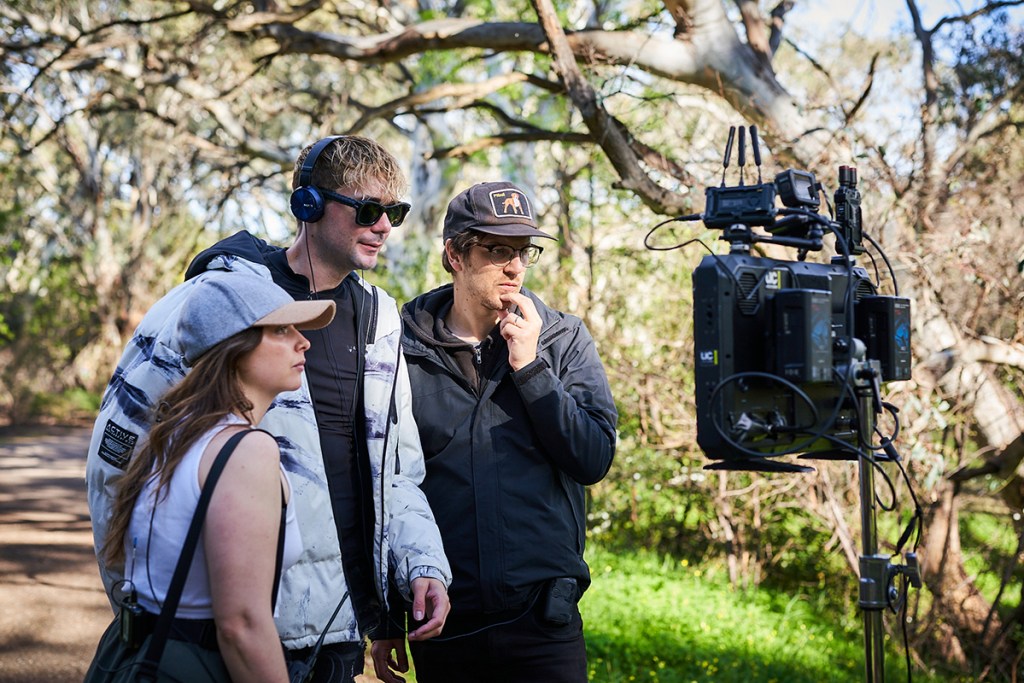
Mockbuster is by and about struggling young Australian wannabe director Anthony Frith, whose dreams of joining the cinematic big leagues have stalled at the level of making commercial and corporate films. But, to quote him, he realizes that “no big producer is going to hire the director of Understanding Bereavement to take the helm of their next big-budget film.”
As detailed in his own documentary on the making of his first feature film project, Frith reached out to the scrappy Hollywood “studio” called The Asylum, which makes “bad copies of Hollywood films … they don’t make great movies, but at least they make a lot of them.” To quote one of the company’s founders, “We make shitty movies for people with bad taste, and alcoholics.” On the other hand, the deal — to make The Land That Time Forgot in his native Australia — gives him his first official IMDB credit, even if on a shoestring budget and on a gruelingly short deadline. Frith’s making-of doc is laced with loads of self-effacing humor and Murphy’s Law–driven mishaps, but takes us on a tour of the margins of trash cinema.
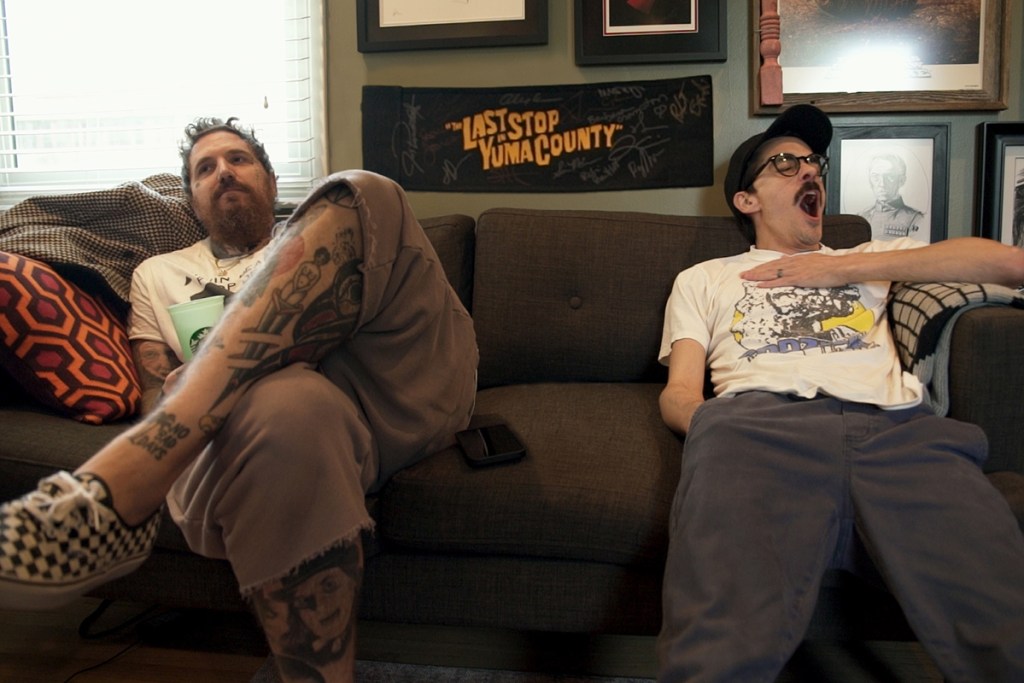
Sell Your House takes its title from the fact that James Claeys, the producer of the low-budget film Last Stop in Yuma County, actually sold his house to raise the capital to make the neo-noir shoot-‘em-up directed by Francis Galluppi. Could the film achieve its goal of at least breaking even and paying back the “bank”? It’s a burning question fueling the rambling but fun-loving doc by Eric Foss and Brandon Pickering, who follow the actual shoot through its ecstasies and agonies, climaxed by a burning truck scene.
The next phase, dealing with shifty distributors and the fickle infrastructure of the indie film world, is a peripheral subject of the film. Despite a bit of fuzzy focus and redundancies, the doc has a shaggy charm, tapping into the DIY spit-and-vinegar atmosphere of the film-within-the-film. The unstoppable urge to create is palpable, damn the torpedoes cost overruns, and house deeds lost and gained.
Spoiler alert: The film did make a tidy small profit and a 97 percent Rotten Tomatoes score — including a positive review by SBIFF’s own Program Director Claudia Puig.
Related Posts




Premier Events

Fri, Mar 06
2:00 PM
Santa Barbara
Music & Meditation SB – Concert March 6, 2026
Sat, Mar 07
9:00 AM
Carpinteria
El Carro Park Cannabis Career Fair – Carpinteria

Sun, Mar 08
6:30 PM
Santa Barbara
6th Eco Hero Award Brock Dolman & Kate Lundquist
Fri, Mar 06
7:30 PM
Santa Barbara
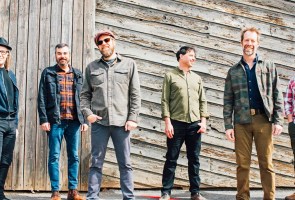
An Evening with Steep Canyon Rangers

Fri, Mar 06
8:00 PM
Santa Ynez
Funk Band Kool & The Gang at Chumash

Mon, Mar 09
6:30 PM
Santa Barbara
Science Pub: Cyborg Jellies Exploring Our Oceans

Sat, Mar 28
All day
Santa Barbara
Coffee Culture Fest
Fri, Mar 06 2:00 PM
Santa Barbara
Music & Meditation SB – Concert March 6, 2026
Sat, Mar 07 9:00 AM
Carpinteria
El Carro Park Cannabis Career Fair – Carpinteria
Sun, Mar 08 6:30 PM
Santa Barbara
6th Eco Hero Award Brock Dolman & Kate Lundquist
Fri, Mar 06 7:30 PM
Santa Barbara
An Evening with Steep Canyon Rangers
Fri, Mar 06 8:00 PM
Santa Ynez
Funk Band Kool & The Gang at Chumash
Mon, Mar 09 6:30 PM
Santa Barbara
Science Pub: Cyborg Jellies Exploring Our Oceans
Sat, Mar 28 All day
Santa Barbara


You must be logged in to post a comment.