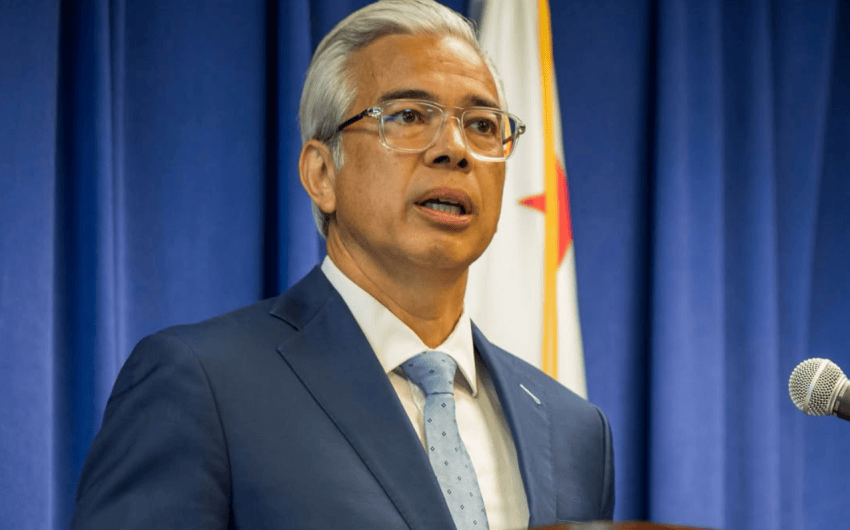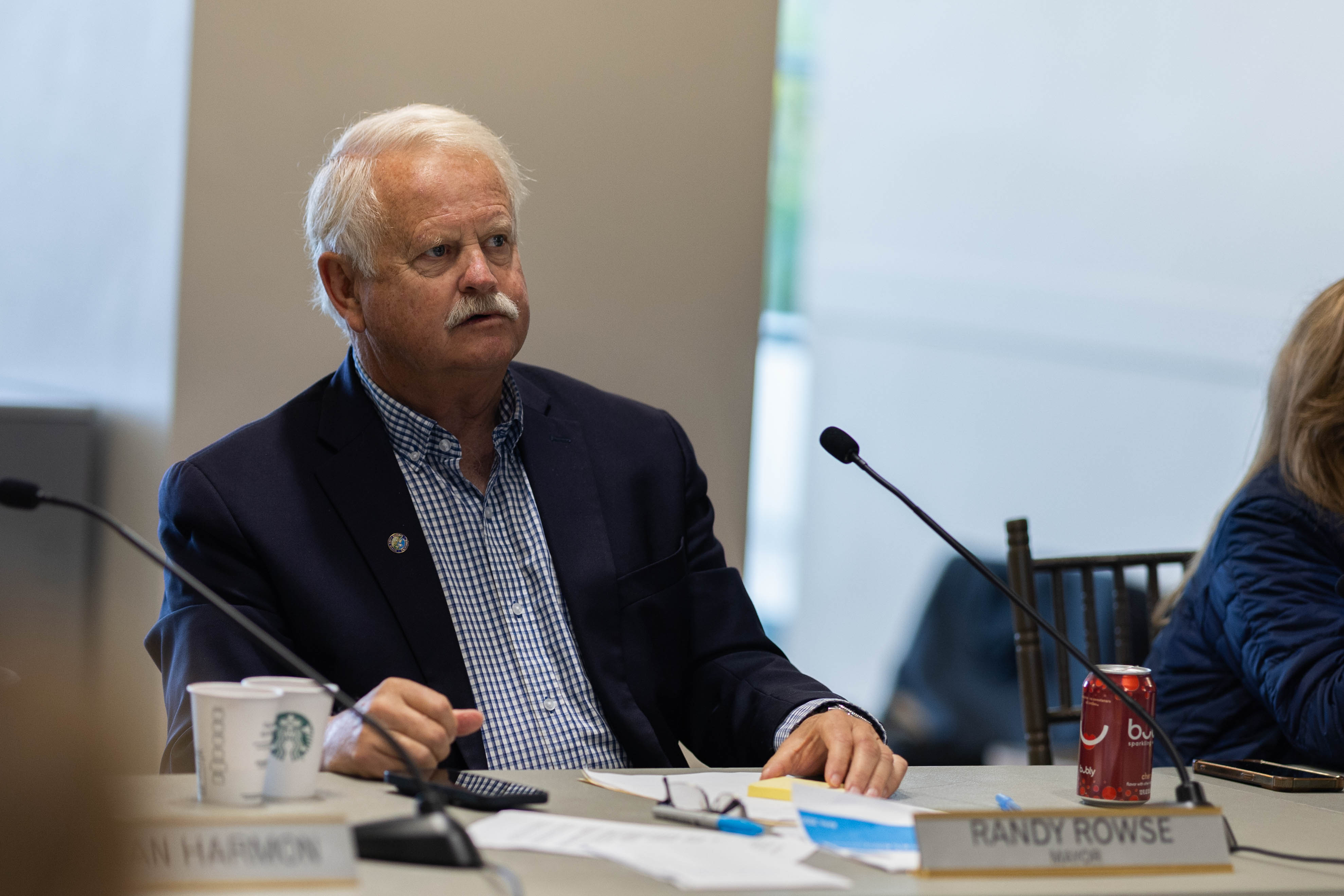
Santa Barbara Mayor Randy Rowse, a militant moderate, hail fellow well met, and cranky contrarian, confirmed this Monday what many had long been wondering — that he will not be seeking reelection for office in this November’s election after banging the ceremonial gavel for one term.
“I’ve been in this up here for 14 years now,” said Rowse, who previously served as a city councilmember from 2009 to 2019 before being elected to a five-year term as mayor in 2021. “I still like doing the job, but the time has come for me for me to put the bat back in the rack. It’s not any one thing or any anyone. It’s just time.”
In person, Rowse cracks wise and drops email bombs that are funny, playful, erudite, and barbed. On the council dais, however, he often seems more a man without a country and frequently finds himself on the losing end of whatever the hot-button vote of the day happens to be.
Rowse cut his teeth politically on such bread-and-butter issues as downtown parking and believes fervently there’s little wrong with State Street that bringing cars back won’t fix. A former high school linebacker, Rowse has demonstrated a willingness to bang his head against the nearest brick wall, but in many cases, the brick wall has prevailed.
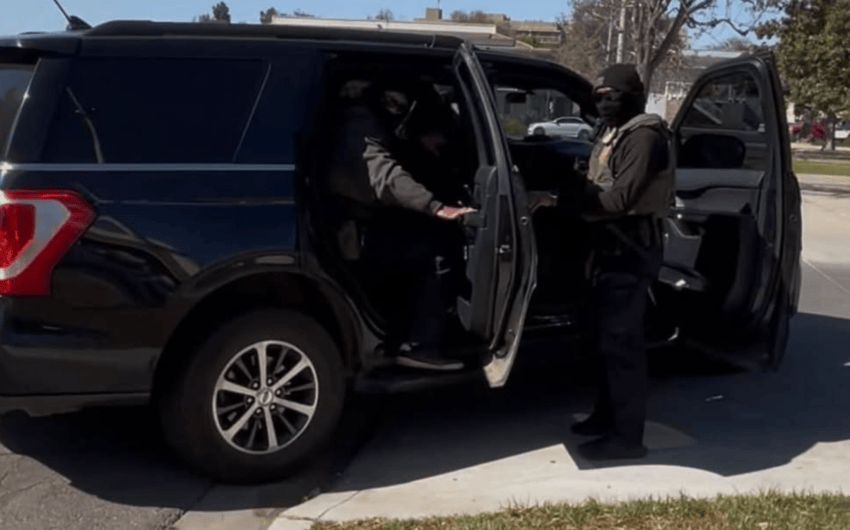
Rowse’s relations with most of his more progressive-minded council colleagues — who now make up a majority — have evolved from strained to fraught. One recent late-night exchange between Rowse and Councilmember Wendy Santamaria — over what role city police could and should play to protect community members against ICE — grew sufficiently barbed that another councilmember, Mike Jordan, got up and walked out of the room.
The council, in Rowse’s estimation, has grown more ideological, fragmented, and polarized with the advent of district elections. When he was first appointed as a city councilmember in 2010, candidates were elected city-wide. The change has been both subtle and profound. From the beginning, Rowse — former owner of the Paradise Café, a well-known restaurant and watering hole — bristled at efforts to categorize him politically. He voted for Barack Obama the first time Obama ran in 2008; he voted for Obama’s opponent the second time.
Rowse said he ran for mayor in the wake of the George Floyd protests of 2020. Local activists wanted to blame city police for another city’s problem police, he argued. Morale tanked, he added. The department lost 24 cops.
“It was a solution in search of a problem,” Rowse said.
On the dais, Rowse has been relentlessly skeptical that passing city ordinances has much impact in changing human behavior. Even on little things such as a plastic bag ban, he insisted education and public outreach would be more fruitful than legislation. On issues like rent stabilization — favored by a majority of his colleagues — Rowse is adamantly opposed, arguing that landlords are being unfairly vilified in pursuit of political talking points.
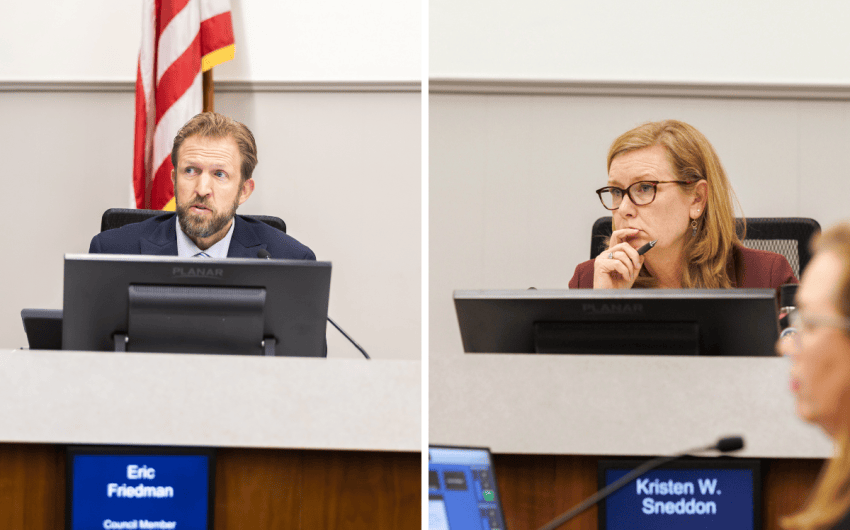
With Rowse out of the race, that leaves two councilmembers now vying for the spot — Kristen Sneddon and Eric Friedman — as well as Wendy Sims-Moten, former school boardmember and executive director of the First 5 Santa Barbara County Commission.
After a lifetime of public life, Rowse has intimate understanding of how the Rubik’s cube of local government either works or doesn’t and how it rubs up against local citizens and businesses. Looking back, Rowse doesn’t call to mind landmark legislation so much as helping the Santa Barbara International Film Festival take ownership and control of what used to be the Fiesta 5 movie theater and transform it into the SBIFF Film Center it is now.
“Mostly, I like taking the phone calls from people who want to know why their streetlights aren’t working. I like getting the lights back on. And I have the worn-out index finger to show just how many phone calls I had to make.”