


IT’S AS EASY AS ABC: Only two sips into my first cup of coffee, I hurled the newspaper across the room. I had just read that the Coastal Commission had approved the construction of four new dorms on UCSB’s campus without a so much as a syllable of discussion, let alone one word of debate. Given that two of the dorms will exceed permissible height limits, that struck me as striking. Don’t get me wrong. The new dorms — 1,688 beds worth — are desperately needed.
Mostly, I found myself furious at Henry Yang, the recently former UCSB chancellor who — when it came to campus housing — managed to fiddle while Rome burned. For my money, Yang — who otherwise served with distinction before retiring after 30 years — needs to be brought up on charges for all the housing he never built but was legally mandated to have done so.
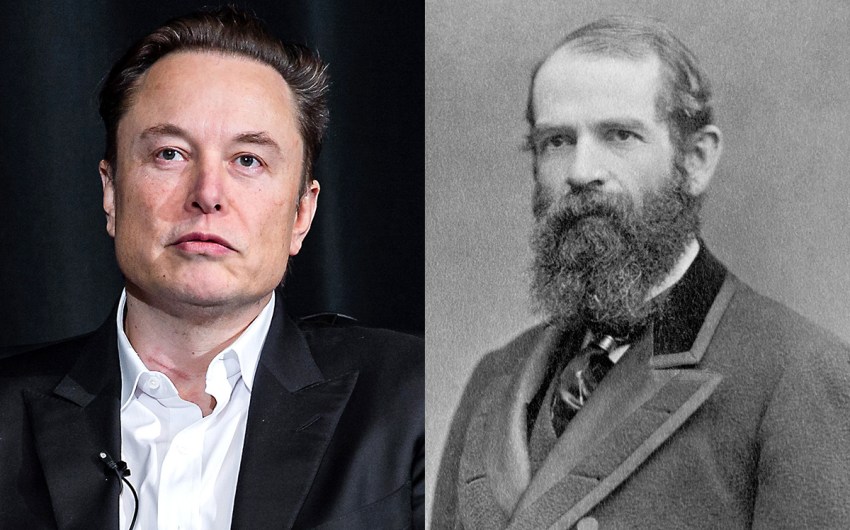
Instead, 10 years ago, Yang started trotting around some billionaire’s 11-story wet dream — 4,500 dorm beds — as if it ever was more than a mirage. Campus architects all but went on strike, they hated it so much. Ninety-four percent of the rooms had no windows. The Fire Marshal hated it, worried that tenants would trample each other trying to escape down 11 flights of stairs at the first whiff of a microwave popcorn fire. But not before they stopped midway to take selfies.
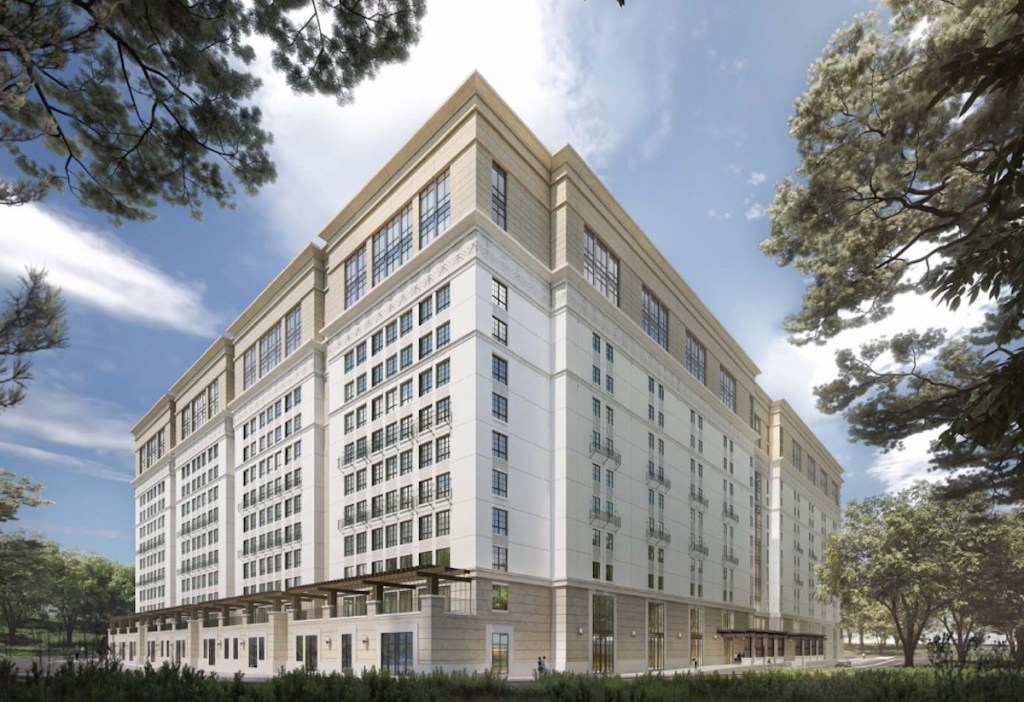
The fatal fly in the ointment, always, was money. The project — famously dubbed “Dormzilla” by Independent reporter Tyler Hayden — would cost $1.4 billion. The billionaire was good for only $200 million. Yang never explained where the other $1.2 billion might come from.
A contract signed between UCSB and the County of Santa Barbara and the City of Goleta legally obligated Yang to build new dorms providing 5,000 beds. By completely failing to do that — while distracting us with a Great White Whale fantasy — Yang gave I.V. landlords unfettered freedom to make out like bandits at their tenants’ expense. Ultimately, Goleta City and Santa Barbara County sued Yang beginning in 2021. Several years later, Yang’s attorneys agreed to sign documents saying Yang would do what he should have started 10 years before.
The university paid a slap-on-the-wrist settlement of $6 million, to be split between the county and Goleta.
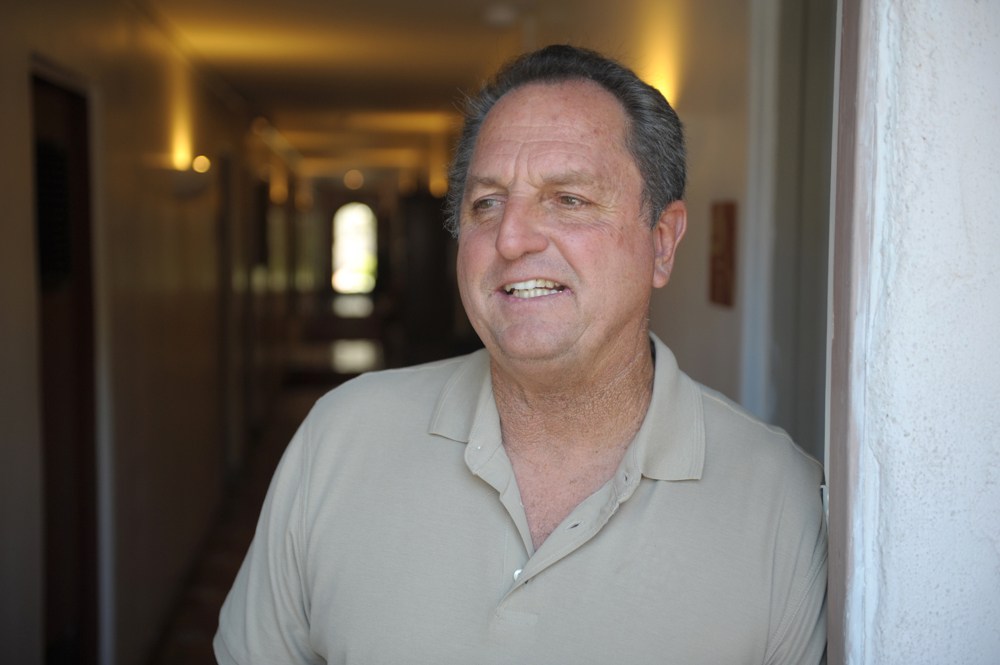
That’s when the coffee shot out my nostrils. Having covered two of the great slumlord trials of Santa Barbara history — both involving landlord Dario Pini — I was appalled. In my book, Yang ranks right up there with Pini. His deliberate inaction led to an outrageous rise in student slum conditions that even Pini, on his most diabolically ingenious day, couldn’t match. I was there when Judge Frank Ochoa gave Pini a choice between serving jail time or living in one of his own apartments. Pini chose jail. That’s the sort of justice, I think, befits the former chancellor.
I, of course, am looking for someone to blame for the housing crisis. We could, of course, start with former president and one-time Santa Barbara resident Ronald Reagan. Why not?

Reagan has been blamed for the mental health crisis and the homeless crisis, too. And not without cause. What we know is this: When Reagan was first elected president, the federal government was spending $32 billion a year to build affordable housing. When he left office, funding had dropped to $7 billion.
If you want affordable housing, you have to set out to build affordable housing, not to extort a few measly, token, below-market units from private developers intent on building for-profit housing. Like it or not, government has to be involved.
Until 2012, the government of California was.
We had something called the Redevelopment Agency, a government agency funded by California, which for years generated $4 million a year for the City of Santa Barbara. That money went to building affordable housing. For every redevelopment dollar the city’s Housing Authority received — yes, another government agency — it could leverage another $5. But in 2012, then Governor Jerry Brown saw fit to abolish redevelopment agencies. He had his reasons. But when that money disappeared, tenants everywhere felt the pinch.

My point is not merely to revile Henry Yang, Ronald Reagan, or Jerry Brown, though their culpability bears repetition. Right now, Santa Barbara city voters have a rare opportunity to make a genuine difference when it comes to housing.
Our Redevelopment Agency is gone, and no amount of finger pointing will bring it back. What City Hall does have, however, is land. Actually, a lot of it on which housing can be built. Two underutilized downtown parking lots. The former police station. At least 400 potentially possible sites. By using this land as leverage, the city can enter into meaningful partnerships with private housing developers without putting up actual cash.
But here’s the hitch: The city is not legally allowed to give away land; it can only enter into long term leases. Here’s the other hitch. Right now, the city charter restricts the length of those leases to only 50 years. That’s not nearly enough to amortize long-term loans needed to cover construction costs. You need 99-year leases to do that.
On the ballot is a measure that changes the charter to allow just that. It’s called
Measure A2026. It’s admittedly the most boring thing on the ballot. It’s also one of the most important.
So, I’m voting yes. If you don’t, you’ve got no one to blame but yourself. And I’ll
put your picture right up there next to Henry Yang’s.








You must be logged in to post a comment.