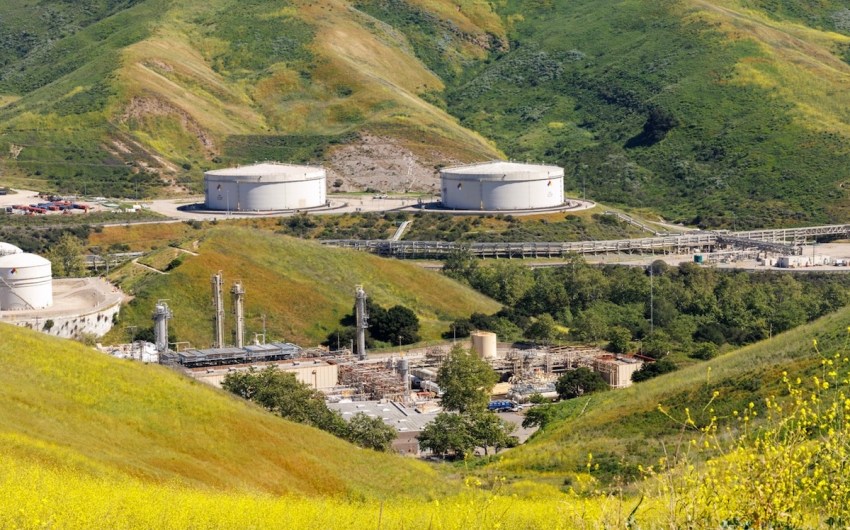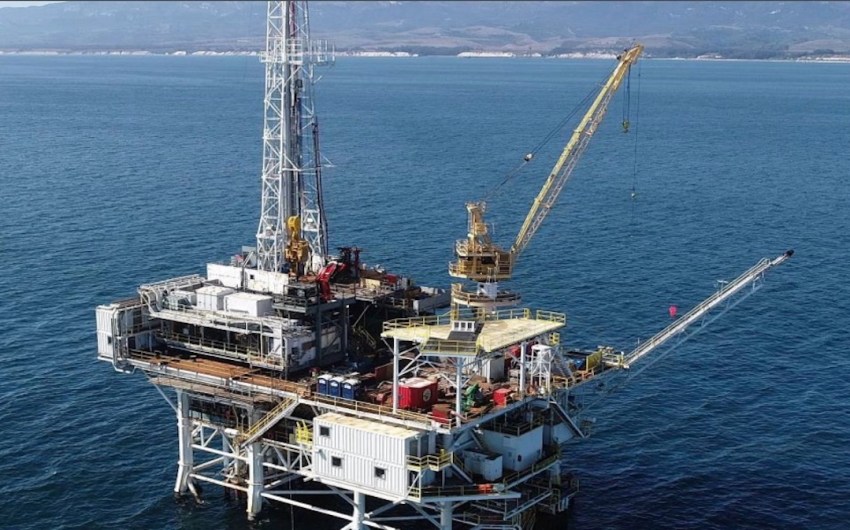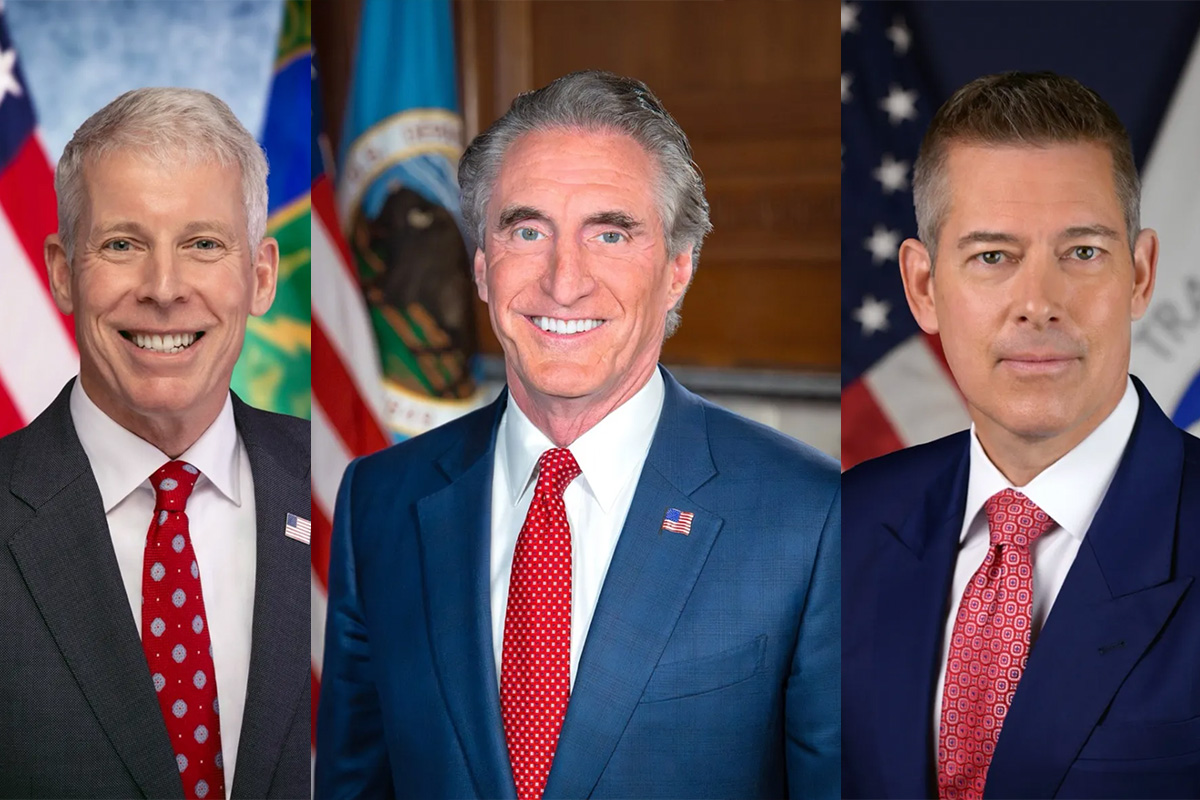
As the Sable Offshore pumps merrily along, high-ranking Democrats like U.S. Senator Adam Schiff and former House Speaker Nancy Pelosi are calling for an investigation into possible backdoor communications — accompanied by campaign donations — between Sable executive James Flores and President Donald Trump. At the same time, however, high-ranking White House functionaries like Energy Secretary Chris Wright, Interior Secretary Doug Burgum, and Transportation Secretary Sean Duffy are reportedly scheduled to visit Santa Barbara and Sable’s legally embattled pipeline project and discuss strategies for addressing legal roadblocks several California state agencies have sought to impose on the Texas-based oil company.
While the big jurisdictional showdown between the federal government and the state over Sable’s legal rights to continue drilling won’t take place until early next week, a federal judge in Los Angeles, Stephen Wilson, issued Sable a temporary but significant legal victory over the California Parks Department, which had sought a temporary restraining order against Sable, late last week.
The state Parks Department charged that Sable is running oil through a four-mile stretch of pipeline located in Gaviota State Park even though the easement allowing that activity expired 10 years ago and that the department has denied Sable’s application to renew that easement on a 30-year basis. The Parks Department sought a temporary restraining order that would require Sable to stop pumping. Such orders require the department to show a strong likelihood of prevailing on the merits of the case and that it would otherwise suffer serious injury.
Sable commenced pumping on March 14 after the federal government — Secretary of Energy Chris Wright —ordered it to do so pursuant to the Defense Production Act of 1950 on national security grounds right after Trump and Prime Minister of Israel Benjamin Netanyahu attacked Iran.
Judge Wilson ruled attorneys for State Parks “manifestly failed to demonstrate that it will suffer irreparable harm in the absence of a preliminary injunction.” To make that finding, Judge Wilson ruled, he’d have to find there was a reasonable risk of an oil spill after oil had flowed below 30 years without incident.
State Parks claimed there was a possible sink hole under the pipeline; Sable experts said it was a rodent burrow. Judge Wilson opined that the state was “grasping at straws.”
Wilson did not address, however, the fact that Sable had only just recently repaired 18 pipeline anomalies — splotches of corroded pipeline — but not to the extent the state Fire Marshal has insisted such repairs be made. That will be no doubt be part of next week’s legal donnybrook — also in Wilson’s courtroom.
Until just a few months ago, the state Fire Marshal had been legally empowered with the last word on whether the pipeline was safe enough to recommence production at Sable’s plant. At the urging of Sable, the federal department charged with interstate pipeline safety, PHMSA, asserted it was the agency legally empowered to make such calls even though, in 2016, it signed documents stating the exact opposite.
With Trump in the White House, the federal government has veered sharply in favor of the oil industry, and PHMSA has changed its mind. It will be up to Judge Wilson to decide whether the 2020 consent decree giving the Fire Marshal the last word is legally binding. It will also be up to Wilson to determine whether the Defense Production Act passes constitutional muster. And if past is prologue here, whatever Wilson rules will be immediately appealed.