

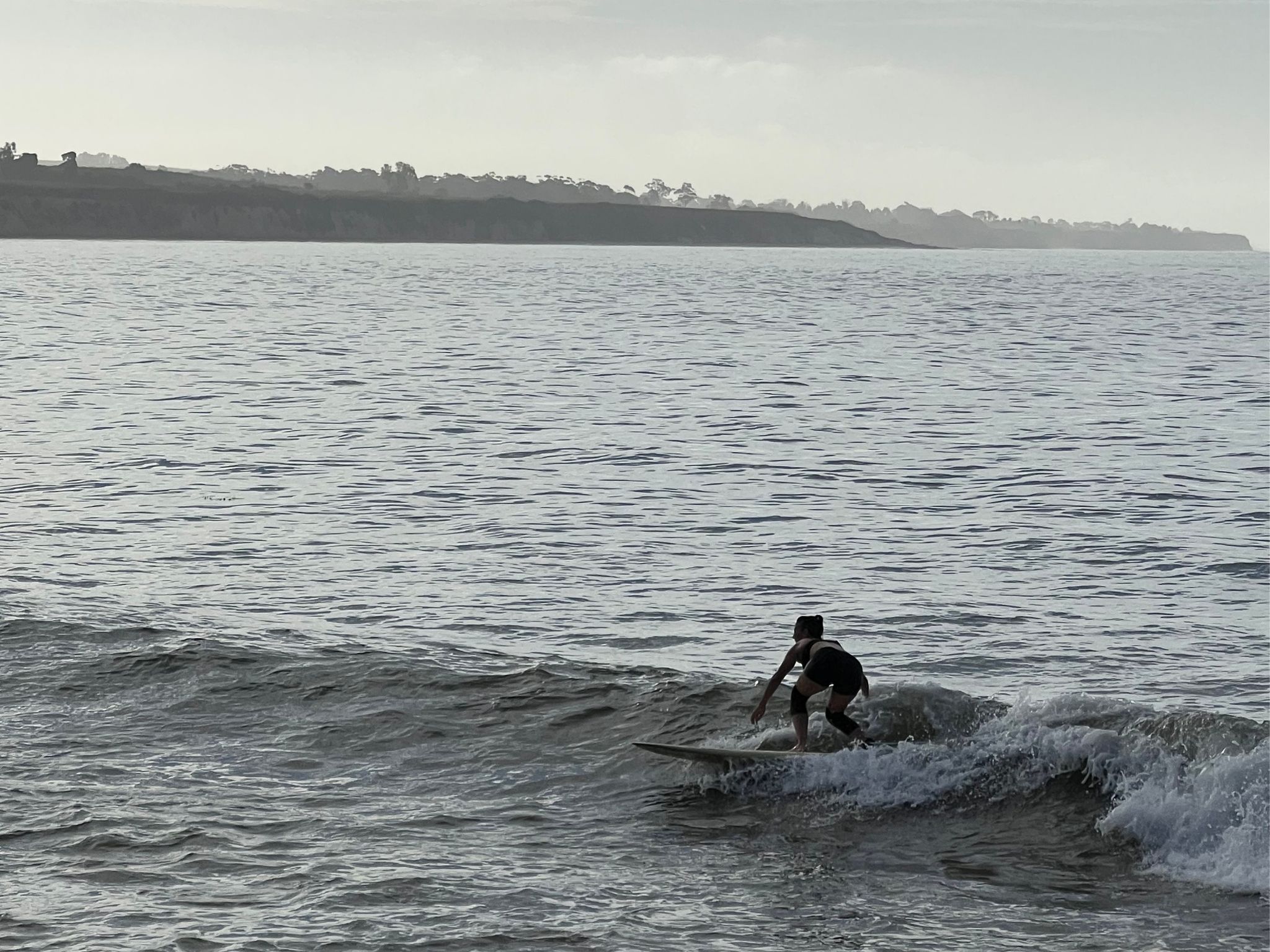
I’ll never forget the first time I turned on the green of a wave. All summer, my stepfather, Sandy Lejeune, had been pushing me into the white water of El Capitan’s beach break, cheering wildly when I managed to stand up. Having finally learned to paddle in, I prepared to battle with the rough surf again one hot August afternoon.
Then, Sandy came bounding around the point, on the other side of which lay his favorite break, a rock reef right that spins unbroken lines of swell into El Cap’s perfectly arced cove.
“There’s swell!” he said, astounded that El Cap was breaking in the summer. “Why not give it a try?”
My feet wobbled on the rocks as I walked into the surf, barely missing the sharp spikes of a sea urchin that certainly would have cut the afternoon short. But I made it out into the lineup. Sandy spotted a little set on the horizon.
“Go, go, go!” he exhorted as I paddled with all my might.
The wave caught me. I scrambled to my feet and leaned just slightly forward. The board turned. It was the feeling of being held and propelled at the same time, of being at the mercy of and in complete synchronicity with the energy of the earth. Without even closing my eyes, I can still see the clear emerald water, the kelp swaying in the curl of the wave, and the fish darting beneath my board. I can still smell the scent of oak and sage mingling in the offshore breeze as I finish my ride.
After that, I spent my teenage life chasing surf from Hammond’s to Hollister Ranch, always searching for that initial thrill, and finding it, again and again. But while scanning the horizon for incoming sets, I often found myself distracted by the offshore oil rigs that always seemed out of place on our coast.
Sandy, the former chair of Surfrider Santa Barbara, had no shortage of choice words for these environmentally hazardous eyesores.
It was from him that I learned that in 1969, these very rigs spewed three million gallons of crude oil into our coastal waters, coating 35 miles of beach, killing over 3,000 shore birds, and damaging Santa Barbara’s unique ecosystem for decades. But it was also from Sandy that I learned that Santa Barbarans mobilized en masse against it, galvanizing the movement that founded Earth Day.
In many ways, it was his passionate environmentalism that inspired my own sense of social justice and life of activism.
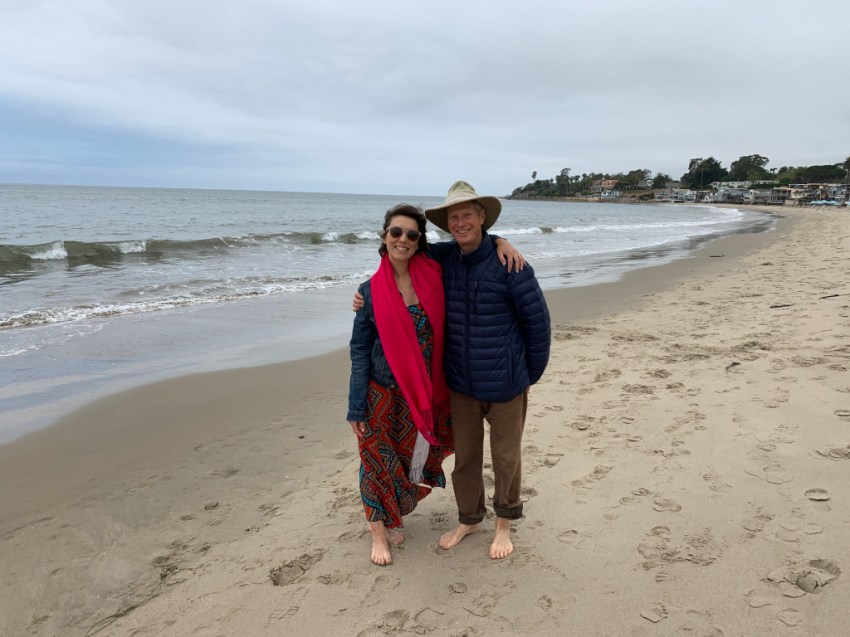
It was even more devastating in 2015, when a pipeline ruptured near Refugio State Beach, leaching nearly half a million gallons of crude oil into the ocean while under ExxonMobil ownership. To Sandy, the Gaviota Coast was sacred. It was where he located his spiritual home and where he could hear the land and the ocean singing to him. With Santa Barbara Surfrider, he did all he could to aid the cleanup efforts. But that wasn’t enough. He, and so many others, wanted to shut these offshore rigs down entirely. And they succeeded — for a time.
But, rather than demanding ExxonMobil dismantle the upper portions of the platforms as part of the cleanup package, California’s politicians left the door open for another corporation to profit from these oil-spewing time bombs in the future.
Patience paid off for the Sable Offshore Corporation that purchased the platforms from ExxonMobil.
On the anniversary of the Refugio oil spill, Trump perversely announced that Sable could start pumping and piping oil off our coast once again by shoving the deal through Congress under the Defense Production Act (DPA), purportedly in consultation and coordination with Sable’s lawyers, which allowed the oil corporation to ignore the many lawsuits and cease-and-desist orders that have been filed to prevent the resumption of offshore drilling.
And, like all things with the current Oval Office Usurper, it gets worse. Despite Santa Barbara Representative Salud Carbajal’s valiant opposition, Congress just last week passed the National Defense Authorization Act with a provision granting Sable unfettered production and transportation rights as a matter of national security, meaning it can pump as much oil through these corroded pipelines as possible.
If this blatantly corrupt and reckless bill passes the Senate, another disastrous oil spill is inevitable.
After a long absence from the water on account of college, career, and kids, I started surfing again this summer. And when, last Saturday, I paddled out at El Capitan’s point break peeling waist-high waves, I felt that same rush and reverence as I did back when Sandy cheered me on as I turned on the green for the first time. Now, as a mom, I can’t wait to teach my boys how to surf, and hopefully open the door to that same experience of connection with the ocean and land.
But so too did a moment of dread creep in when my eye caught on one of the Sable rigs, just waiting to wreak deadly havoc on our precious coastline.
Sandy passed away from cancer three years ago, soon after I gave birth to my second son, Thoreau, named after our mutual environmental hero. I’m certain that were he still here, Sandy would be doing everything he could, as he did for 20 years, to preserve and protect the Santa Barbara coastline for me and all of Santa Barbara’s sons and daughters.
Even so, I know he would be sure to tell me that there’s still time left to protect our coastline’s marine life, kelp forests, sage, oak, and peeling waves if we work together. In this spirit, I hope a few more of us will open the door to that same sense of awe and wonder that inspired Sandy’s fierce dedication to preserving this rich and rare place.
Hope to see you all in the lineup, Santa Barbara.
Related Posts


Premier Events
Sat, Oct 10
9:00 AM
Santa Barbara
Treble Clef Chorus Fall Treasure Sale

Sun, Oct 11
5:00 PM
Santa Barbara
Trinity Choir: Choral Evensong
Thu, Oct 08
7:00 PM
Santa Barbara
“A Night of Blues” with Morganfield Burnett

Fri, Oct 09
7:00 PM
Santa Barbara
Paseo Nuevo Spooky Movie Nights

Sat, Oct 10
9:00 AM
Santa Barbara
SBNC 1st Annual Health & Wellness Fair
Sat, Oct 10
1:30 PM
Goleta
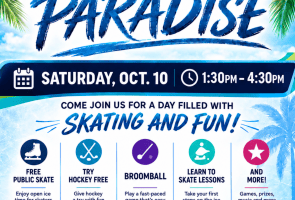
🌴 Another Day in Paradise at S.B’s Premier Ice Rink

Sun, Oct 11
7:00 AM
Ojai
Flamenco Guitarist Tony Ybarra
Sun, Oct 11
10:00 AM
Santa Barbara
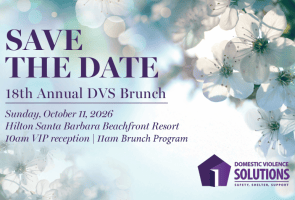
18th Annual Domestic Violence Solutions Brunch
Sun, Oct 11
10:00 AM
Santa Barbara
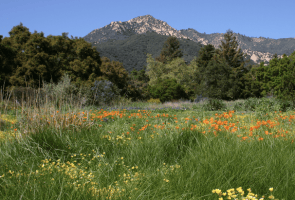
Free Community Day at S.B. Botanic Garden
Sun, Oct 11
10:00 AM
Santa Barbara
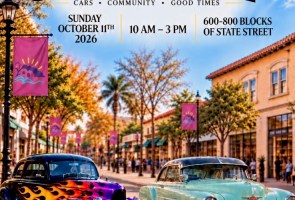
Downtown Classic Car Show Santa Barbara
Sun, Oct 11
11:00 AM
Santa Barbara
Raíces y Sueños: Bilingual Storytime at Santa Barbara Museum of Art

Sun, Oct 11
2:00 PM
Santa Barbara
The Theatre Group at SBCC Presents: “CLUE”
Sat, Oct 10 9:00 AM
Santa Barbara
Treble Clef Chorus Fall Treasure Sale
Sun, Oct 11 5:00 PM
Santa Barbara
Trinity Choir: Choral Evensong
Thu, Oct 08 7:00 PM
Santa Barbara
“A Night of Blues” with Morganfield Burnett
Fri, Oct 09 7:00 PM
Santa Barbara
Paseo Nuevo Spooky Movie Nights
Sat, Oct 10 9:00 AM
Santa Barbara
SBNC 1st Annual Health & Wellness Fair
Sat, Oct 10 1:30 PM
Goleta
🌴 Another Day in Paradise at S.B’s Premier Ice Rink
Sun, Oct 11 7:00 AM
Ojai
Flamenco Guitarist Tony Ybarra
Sun, Oct 11 10:00 AM
Santa Barbara
18th Annual Domestic Violence Solutions Brunch
Sun, Oct 11 10:00 AM
Santa Barbara
Free Community Day at S.B. Botanic Garden
Sun, Oct 11 10:00 AM
Santa Barbara
Downtown Classic Car Show Santa Barbara
Sun, Oct 11 11:00 AM
Santa Barbara
Raíces y Sueños: Bilingual Storytime at Santa Barbara Museum of Art
Sun, Oct 11 2:00 PM
Santa Barbara



You must be logged in to post a comment.