
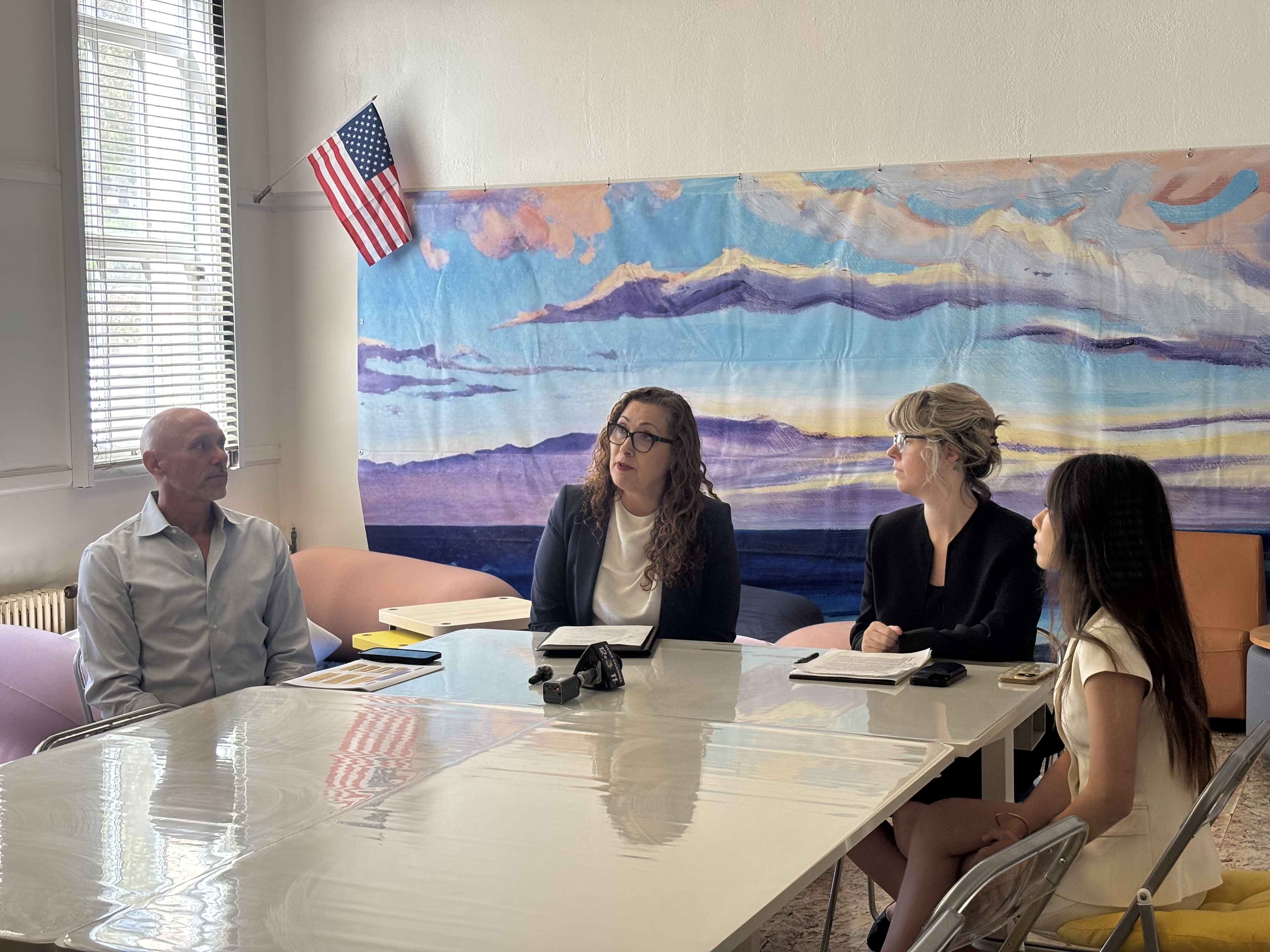
The Santa Barbara Unified School District is joining a national lawsuit with more than 1,500 other school districts against social media giants Meta, Alphabet, TikTok, and Snapchat, saying that they harm children’s mental health.
Students and parents in the district say these sites perpetuate cyberbullying, addiction, depression, anxiety, thoughts of self-harm, and disordered eating among young users.
The lawsuit, filed in Federal District Court in San Francisco by the Frantz Law Group, alleges that social media companies are “knowingly causing emotional harm to children” by deliberately designing their platforms to be addictive and marketing them to minors.
Because of excessive social media use, the country’s youth mental health crisis has sharply increased, the lawsuit claims. The district says these effects are showing up in classrooms, hurting students’ attendance, academic performance, and overall well-being.
At La Cumbre Junior High, the anecdotal evidence is hard to ignore. Reports of suicidal ideation and related mental health referrals have increased significantly.
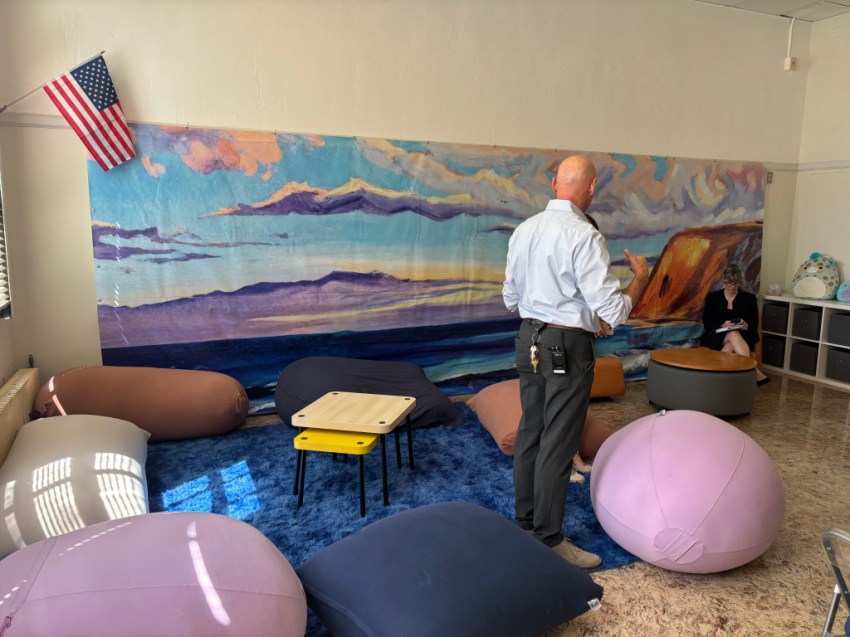
Over the past decade, it has spiked from two to three referrals per year to two to three per week, said Principal Bradley Brock. Counselors at the school estimate that 70 to 80 percent of those reports were related to social media use.
For example, students report sleep deprivation from scrolling through videos late at night, and falling victim to content that is exploitative, addictive, and promotes poor self-esteem and products to “fix” their appearances.
The district cited a report from the U.S. Surgeon General, which found that children and adolescents who spend more than three hours a day on social media face double the risk of mental health problems, including symptoms of depression and anxiety. When asked about the impact of social media on their body image, 46 percent of those aged 13-17 said social media makes them feel worse.
The school board’s student boardmember, Victoria Martinez Penaranda, said she’s witnessed firsthand the effects that social media has had on her peers: poor self-image, shopping addiction, and disordered eating, to name a few.
“When they go and open their phones, and open TikTok for example, they see just a plethora of really disturbing content,” she said. “It’s really wild and creepy and scary.”
She and the district acknowledged parents are at a disadvantage.
“It’s quite literally parents versus trillion-dollar companies that have thousands of workers and an algorithm fighting for their child’s attention,” she said. “Students don’t just have role models in real life anymore — now it’s influencers that are trying to buy your kids’ attention.”
Through the lawsuit, which the district joined on August 26, the district is seeking monetary damages to cover increased expenditures for mental health services — including wellness centers such as La Cumbre’s “Hidden Haven” — counseling, staff time, and safety protocols, according to Joanna Powell, the district’s general counsel.
The suit also demands changes to platform operations, including enhanced parental controls, compliance with children’s online privacy laws, and emergency response coordination, to help reduce future harm.
Powell said the district is not paying outside counsel; instead, they will take a percentage of the settlement. A specific sum in monetary damages is yet to be calculated.
The suit comes on the heels of another landmark settlement, led by 47 states, in which Meta agreed to pay $17.1 billion in penalties for violating child privacy and consumer protection laws.
Some new protections emerged from that settlement, including limits on nighttime and school day notifications and hiding “like” counts on posts by teens, which can lead to unhealthy social comparison, Powell said.
“We talk all the time about the harm that tech is causing our kids, and it just feels really empowering to go on the offensive there,” Powell said. She noted that Goleta and Carpinteria school districts are involved, as well. “It feels like we’re fighting alongside friends.”
While the district has implemented many technological safeguards at its schools — including an “off and away” policy for cellphones, restrictions on school iPad use, and a recent ban on YouTube — Superintendent Hilda Maldonado said the battle sometimes feels Sisyphean.
“We’re fighting, pushing that rock, and it just gets pushed back on us over and over again,” she said. “There’s tech companies that are working so much faster than we are, that are developing this addictive content, that are harming our children, and we need to hold them accountable.”
She said that the district felt a “fundamental commitment” to students “to protect and support them,” but “social media companies have repeatedly demonstrated that they prioritize profits and competition over people and connection.”
The educational and technological landscape is very different from when she was a teacher in the ’90s, she said.
“We have always had the challenge of motivating and engaging students in schools in general,” she noted, “but what’s different now is that everything has all come onto one device … and with that, there’s a lot more access to nefarious, predatory content and people. That’s what we’re fighting.”
“As a school district,” she continued, “we’re the least resourced, but most impacted in trying to fix society’s problem today.”
She called the recent rise in referrals and mental health support “likely only the tip of the iceberg.” Students who are struggling might not seek help.
“We’re deeply concerned about the long-term effects this will have on their futures, and the time for us to change our course is now,” she said.
Related Posts







Premier Events

Sat, Oct 24
2:00 PM
Santa Barbara
Japanese Sacred Architecture: Shinto and Buddhism
Sat, Oct 24
10:30 AM
Santa Barbara
Picnic in the Cemetery: A Live Historical Event
Sat, Oct 24
11:00 AM
Goleta
2nd Annual Charger Cup to Benefit DP High Golfers

Sat, Oct 24
12:00 PM
Santa Barbara
Makers Hive Market
Sat, Oct 24
2:00 PM
Santa Barbara
Japanese Sacred Architecture: Shinto and Buddhism

Sat, Oct 24
2:00 PM
Santa Barbara
Thriller 2026 – Get Scary for Charity!
Sat, Oct 24
3:00 PM
Santa Barbara
Downtown Santa Barbara Trick-or-Treat

Sat, Oct 24
5:00 PM
Santa Barbara
15th Annual DSASBC Halloween Hoedown

Sat, Oct 24
5:30 PM
Solvang
Solvang Haunted House and Street Fair

Sat, Oct 24
7:00 PM
Santa Barbara
Anima: Theater of the Feminine Underground

Sun, Oct 25
11:00 AM
Santa Barbara
Free Family Day: Día de los Muertos
Sat, Oct 24 2:00 PM
Santa Barbara
Japanese Sacred Architecture: Shinto and Buddhism
Sat, Oct 24 10:30 AM
Santa Barbara
Picnic in the Cemetery: A Live Historical Event
Sat, Oct 24 11:00 AM
Goleta
2nd Annual Charger Cup to Benefit DP High Golfers
Sat, Oct 24 12:00 PM
Santa Barbara
Makers Hive Market
Sat, Oct 24 2:00 PM
Santa Barbara
Japanese Sacred Architecture: Shinto and Buddhism
Sat, Oct 24 2:00 PM
Santa Barbara
Thriller 2026 – Get Scary for Charity!
Sat, Oct 24 3:00 PM
Santa Barbara
Downtown Santa Barbara Trick-or-Treat
Sat, Oct 24 5:00 PM
Santa Barbara
15th Annual DSASBC Halloween Hoedown
Sat, Oct 24 5:30 PM
Solvang
Solvang Haunted House and Street Fair
Sat, Oct 24 7:00 PM
Santa Barbara
Anima: Theater of the Feminine Underground
Sun, Oct 25 11:00 AM
Santa Barbara


You must be logged in to post a comment.