

It takes under an hour to drive from Boston to Salem, Massachusetts, a historic eastern-seaboard town of centuries-old homes that curves along the coast into a quaint center with a whimsically spooky aesthetic. Known for the 1692-93 witch trials, in which a pestilence of cross-region accusations of demonic deeds lead to the deaths of 25 people (hanged, pressed to death, or left to die in squalid jail cells), modern-day Salem has become a mecca for Halloween revelers of all stripes. Come October, Salem (with a population of about 45,000) erupts into a carnival of sightseers and spooky-season merrymakers waiting in lines to visit shops, curios, and museum exhibits, even queuing up for a cup of “witch’s brew” coffee.
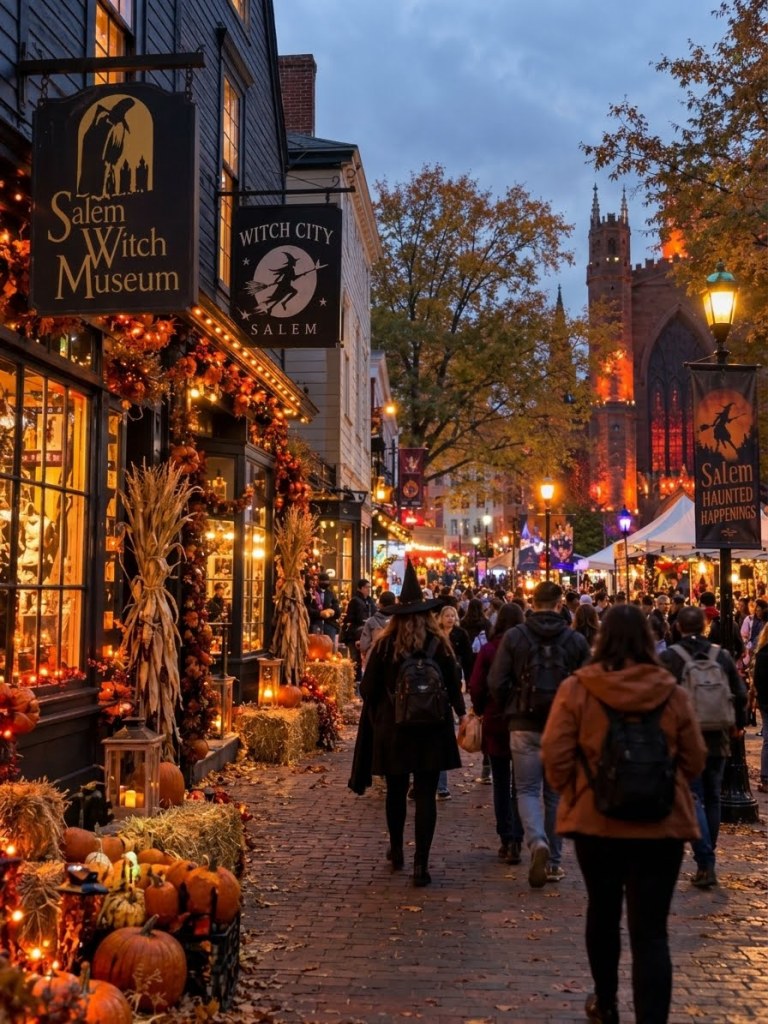
The town has enthusiastically leaned into its identity of “Witch City,” supporting a tourism epicenter that represents the entire region. In October alone, visitors spend roughly $140 million on Salem’s annual haunted happenings. Many celebrants, such as Clarissa Bernardini, a psychic medium and healer from Waterville, Maine, make the pilgrimage every year. “We’ve been visiting Salem as a family since I was about 13,” she says. Now 36, Bernardini brings her own children to celebrate the season of the witch.
As first-time visitors to Salem, my travel companion (fellow Independent contributor Samantha Eve) and I enjoyed an old-town tour with Salem author Adriana Mather and Santa Barbara native actor Tobias Jelinek (Stranger Things, Ryan Murphy’s Monsters series, and ‘90s Halloween classic Hocus Pocus). During our tour of downtown and the historic waterfront, we paused several times for people to claim a photo op with Jelinek — reminding us that for featured VIPs of Halloween lore, opening the spooky season in Salem is a work trip.
Jelinek, who has participated in Salem’s fan events for several years with others from the Hocus Pocus cast, compares the experience to fandom conventions, which offer access to actors, characters, and creators (as well as a mountain of limited-edition merch). “We don’t know Salem,” Jelinek says after giving a hilariously inaccurate trolly tour. “We’re like, ‘This is a lovely building.’” He shrugs and continues: “The trolley driver chimed in with real information. The point is having fun and connecting with the fans.”
Mather, on the other hand, is a font of knowledge on the history and evolving culture of Salem. She’s a descendent of Cotton Mather, a well-known academic, author, and Puritan minister in the pre-revolutionary American colonies. He sided with the accusers during the 1692 panic, citing a zealous belief that the region was, in fact, under spiritual attack from Satanic forces. Adriana Mather’s book How to Hang a Witch dramatizes this family legacy in a story about a high-school student who moves to Salem, accidentally setting off a dangerous curse associated with her ancestors.
During research for her novel, Mather put her own mark on the history of Salem. “At the time that I wrote How to Hang a Witch, there was no ‘official’ hanging spot,” she says. “Witchcraft accusations in Europe were so common … but because influential people were being accused [in Salem], it was very well documented.”
Mather embarked on a research journey, scouring references to the events in letters and other historical documents written in the era, and she developed her own theory on where the original hanging spot was located. At the same time, the Salem Historical Society had also been conducting research on the topic. “They showed up to my very first signing in Salem, and they were asking me about my research,” says Mather. “And I was thinking, those are such specific questions!” (The two had ultimately come to the same conclusion on the location of the hangings.)
Salem’s transformation from a Puritan society that sentenced accused witches to death to a family-friendly theme-park atmosphere that celebrates all varieties of enchantment exemplifies the difference between a frightened religious society living a difficult, trauma-filled existence in the new world to a more pragmatic society based on science and technology that jubilates in the fantasy of a more magical world. According to Mather, the witch trials were considered a sordid embarrassment for years after the affected generation had long passed. It’s even rumored that 19th-century author Nathaniel Hawthorne (whose famed House of Seven Gables is also open for tours in Salem) may have changed the spelling of his name to distance himself from ancestor John Hathorne, a judge in the 1692 trials.
Bernardini says the fascination with Salem has grown, and tourism in the Halloween season has reached a point of frenzy. “Salem as a tourist destination has changed exponentially since we started visiting around 2003,” she says. “It was slightly touristy then, but you could see all the museums and shops on a weekend, easily. Now, the lines and waits make seeing the museums and shops almost impossible if you visit during October weekends. It’s become much less about the history and more about the novelty.”
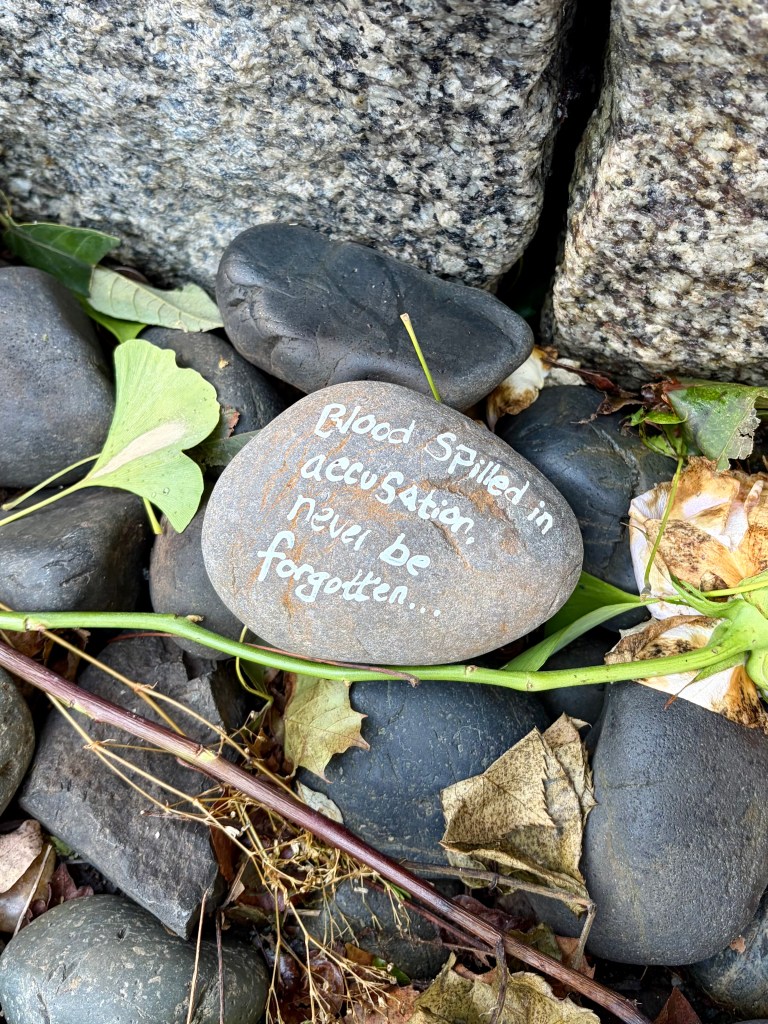
Yet the history stays persistently visible. Salem is home to graveyards dating back to the 17th century and memorials erected to the memory of the victims who were hanged or pressed to death in 1692. “The history lives on because people come here and have fun — not because this is a place of sacred memory,” says Mather, noting that the influx of tourism keeps the history of the region alive in people’s minds rather than relegated to a list of facts in a history book.
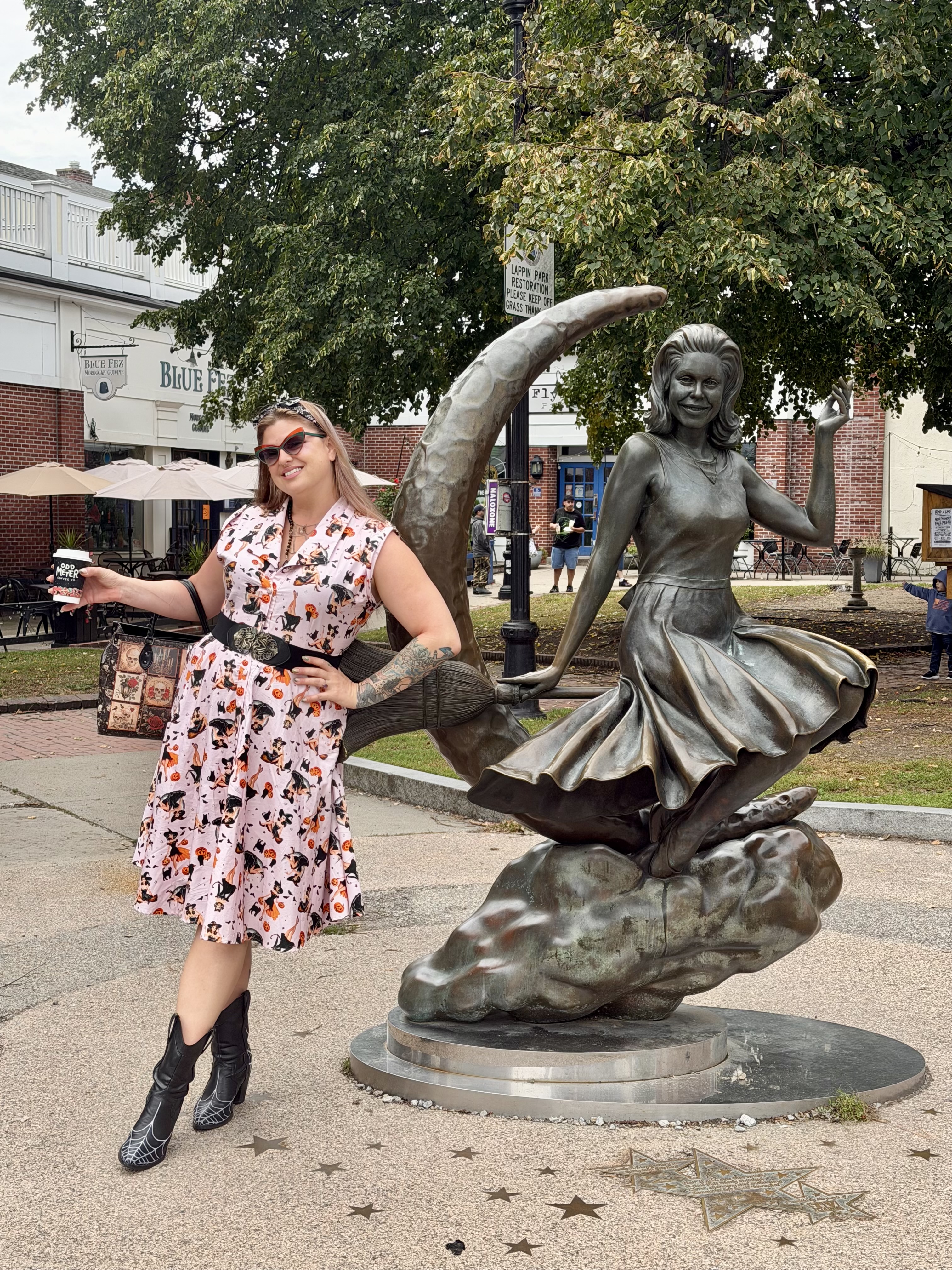
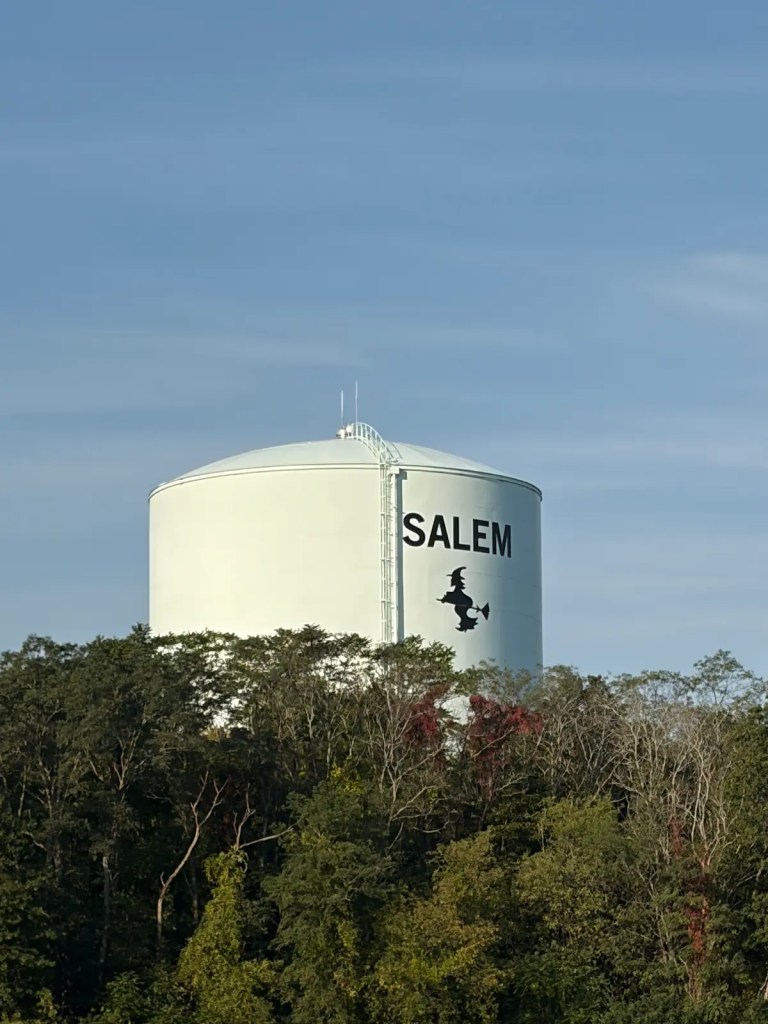
The Salem witch panic tells a story of religious fervor, misogyny, repressive culture, and probable trauma-based mental illness and emotional dysregulation that turned kindling in a firestorm of anger, suspicion, and group hysteria. Yet from the Elizabeth Montgomery statue in the center of town to the “Witch City” logos on the municipal water tower and police vehicles, Salem now celebrates what was once condemned. “The thing that I love most about modern Salem and the tourism here is that people are so happy to be here,” says Mather. “It’s uplifting…. We need places in America where expressiveness and whimsy and magic and childlike curiosity are encouraged.” As we pause to let Jelinek take another photo with a smiling fan, Mather adds, “Instead of being like, ‘This is a cult,’ it’s like, no. This is our culture. It’s celebrated.”
Related Posts






Premier Events
Wed, Oct 28
5:00 PM
Santa Barbara
Fundraiser for Domestic Violence Solutions

Wed, Oct 28
5:30 PM
Santa Barbara
Coastal Well Woman SB: “Own Your Menopause Journey”

Wed, Oct 28
6:30 PM
Carpinteria
Carpinteria Community Spotlight – El Niño Disaster

Wed, Oct 28
7:00 PM
Santa Barbara
Reel Rock 20 Climbing Film Tour
Wed, Oct 28
7:00 PM
Goleta
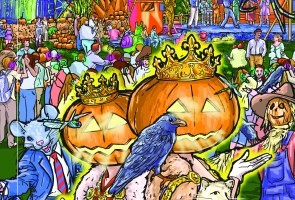
IVRPD Presents : Halloween Pumpkin Patch

Thu, Oct 29
12:00 PM
Santa Barbara
Spook Fest at Loubud Wines Halloween Experience
Thu, Oct 29
5:30 PM
Santa Barbara
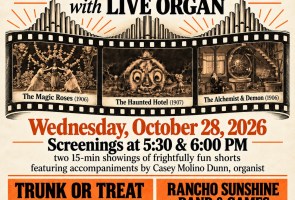
Silent Movies + Live Organ, Trunk or Treat & More

Thu, Oct 29
6:00 PM
Santa Barbara
Halloween Paint & Sip at Goodland Wine Shop
Fri, Oct 30
12:00 AM
Montecito
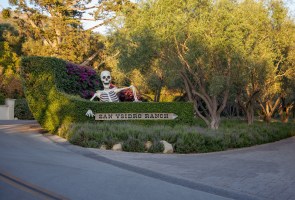
Día de los Muertos at The Speakeasy
Fri, Oct 30
11:30 AM
Santa Barbara
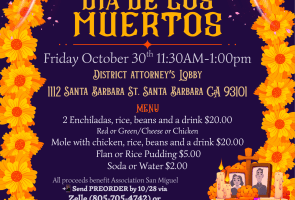
🌼💀 Join us for Día de los Muertos! 💀🌼
Wed, Oct 28 5:00 PM
Santa Barbara
Fundraiser for Domestic Violence Solutions
Wed, Oct 28 5:30 PM
Santa Barbara
Coastal Well Woman SB: “Own Your Menopause Journey”
Wed, Oct 28 6:30 PM
Carpinteria
Carpinteria Community Spotlight – El Niño Disaster
Wed, Oct 28 7:00 PM
Santa Barbara
Reel Rock 20 Climbing Film Tour
Wed, Oct 28 7:00 PM
Goleta
IVRPD Presents : Halloween Pumpkin Patch
Thu, Oct 29 12:00 PM
Santa Barbara
Spook Fest at Loubud Wines Halloween Experience
Thu, Oct 29 5:30 PM
Santa Barbara
Silent Movies + Live Organ, Trunk or Treat & More
Thu, Oct 29 6:00 PM
Santa Barbara
Halloween Paint & Sip at Goodland Wine Shop
Fri, Oct 30 12:00 AM
Montecito
Día de los Muertos at The Speakeasy
Fri, Oct 30 11:30 AM
Santa Barbara



You must be logged in to post a comment.