

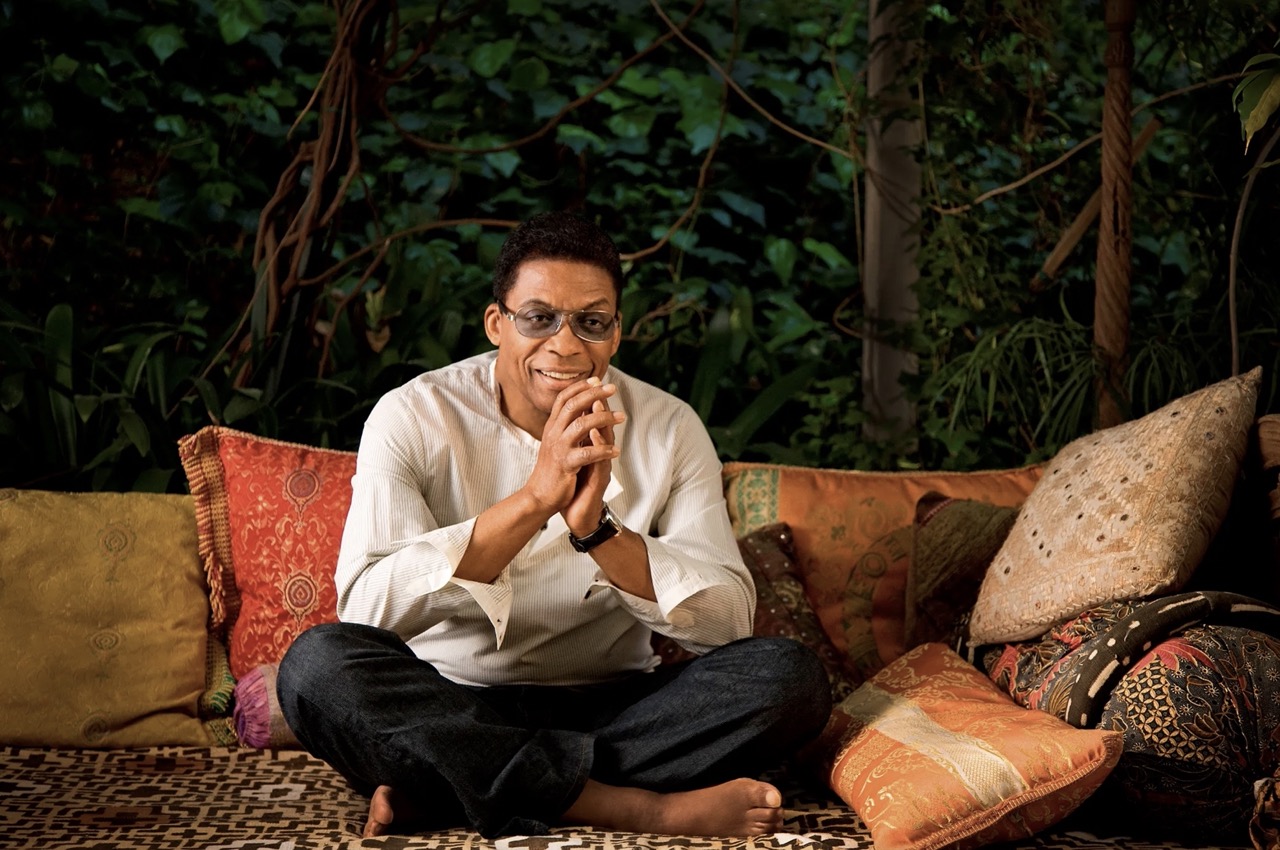
Herbie Hancock is such a towering figure and dominant influence on the past six decades of jazz that it’s hard to know where to start in terms of conveying his legacy. One way to put it: He was a critical part of the mythically great Miles Davis Quintet of the mid-’60s, and the rest is history. And his story.
That saga involves a vast tapestry of recordings and projects in acoustic jazz and electronic/digital modes, a songbook including bona fide classics “Maiden Voyage,” “Watermelon Man,” “Chameleon,” “Cantaloupe Island” and “Dolphin Dance,” assorted work with his friend and Davis alum Wayne Shorter and much more. That’s not to mention Hancock’s sleek but searching, oft-imitated piano/keyboard style and mastery, central to the DNA of modern jazz, and a commitment to education and his decades-deep practice of Nichiren Buddhism.
When the affable and ever-affirmational 83-year-old legend brings his band to the Arlington Theatre on Wednesday, April 17, he arrives as both a genuine elder statesman of jazz and one whose creative vitality is still running hot. What lends special freshness to the Arlington show, the highlight of the current UCSB Arts & Lectures jazz series, is the company he’s keeping. His band includes very plugged-in guitarist Lionel Loueke; one of the greatest living tenor saxists, Chris Potter; trumpeter Terence Blanchard; bold, young alto saxist Devin Daniels; bassist James Genus; and dynamo drummer Trevor Lawrence Jr.
Hancock’s album River: The Joni Letters won an Album of the Year Grammy in 2008, an extremely rare occasion for a jazz artist. At the time, Hancock told me, “My focus is not on music. It’s on humanity as a whole and this time as a whole. It’s me as a human being. It opens up a palette and infinite possibilities, really, for expression and the tone of what I want to do, the direction I want to go on, and what it is that I want to achieve and my purpose.
“I never even used to think of the word ‘purpose’ when it came to making music. It was always ‘What chord am I going to use?’ [Laughs.] ‘What’s the bass line going to be?’ That is much further down the road when I’m actually writing the details of a piece. But when I’m conceiving about what I want to do in music, that’s when I think about purpose. That’s when I wear my human hat and make decisions along those lines. ‘What purpose will this serve? What is it that I want to achieve? What is it that I want to encourage in others?’
“If jazz in some way is not continuing to grow a new audience, then the music is going to die, along with the people who make the music and those who listen to it.”
In another of several interviews I’ve done with Hancock, he commented, “I don’t think of myself as being limited to being a jazz musician, because that puts a box around me. In a deeper way, it would be impossible for me to do this if I wasn’t a jazz musician, because jazz itself developed as an eclectic music. And America is eclectic,” he laughed.

“We forget that we’re all immigrants, but the different cultures that are represented on the record — those are our roots. They’re not just foreigners, unless you’re going to call your parents or grandparents or great-great-grandparents foreigners.”
Hancock has always been a deep diver in the jazz world, but he has sought to expand his music and his audience beyond the limited confines of the jazz market. That delicate balance is embodied in the career-sweeping turf of his current live show.
He insists that “the existence of jazz is really crucial. The human spirit needs it. I think that’s why jazz is really an international music. People respond to it all over the globe. Pop music, too. But jazz was arguably the first [international music], I think even more than classical music. It’s because it is improvisational and it stems from being a music of the people. It’s not highbrow, at its roots. And it’s eclectic. It’s an expression of the blues, as well as an expression of impressionistic French music and, of course, African roots.
“But it’s important to continually grow a new audience, because if the music becomes narrow, then as the musicians get older and die away, so will the audience. I don’t expect everyone to take on that responsibility. I don’t think it’s necessary. Each person could do what they feel, but I like doing this.
“I’m not saying I’ve nailed it all down, but for me, it’s all an exploration.”
Herbie Hancock performs at the Arlington Theatre (1317 State St.) Wednesday, April 17, at 8 p.m. See artsandlectures.ucsb.edu.
Related Posts

Premier Events
Fri, Oct 23
2:00 PM
Santa Barbara
Music & Meditation: Clarinetist Nancy Mathison & Pianist Antonio Artese
Wed, Oct 21
6:30 PM
Santa Barbara
Teflon Comedy/Non-Schtick – Evening of Comedy

Thu, Oct 22
5:30 PM
Santa Barbara
Best Fest: A Celebration of the Best of Santa Barbara® Readers’ Poll 2026 – Rain or Shine
Thu, Oct 22
6:00 PM
Santa Barbara
Chaucer’s Books Author Talk & Signing- Daniel M. Jaffe “Russian Silhouette: A Memoir of Activism and Identity”
Fri, Oct 23
5:30 PM
Solvang
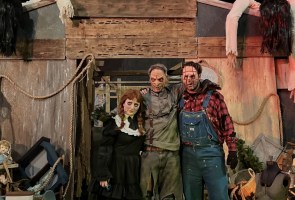
Solvang Haunted House and Street Fair
Fri, Oct 23
7:00 PM
Santa Barbara
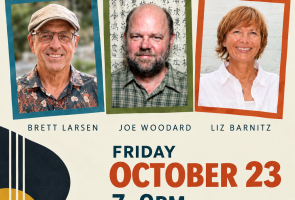
This & That Performs at Roy
Fri, Oct 23
7:00 PM
Santa Barbara
Beth Amine’s 20th Anniversary Wildcat Dance Variety Show
Fri, Oct 23
9:00 PM
Santa Barbara
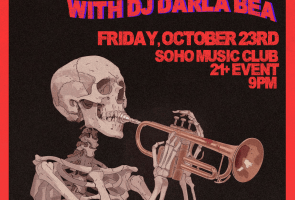
Casa de la Raza Fundraiser: Brasscals! with DJ Darla Bea
Sat, Oct 24
10:30 AM
Santa Barbara
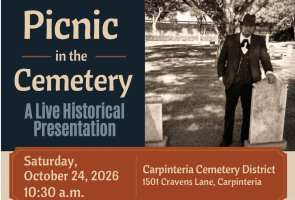
Picnic in the Cemetery: A Live Historical Event
Sat, Oct 24
11:00 AM
Goleta
2nd Annual Charger Cup to Benefit DP High Golfers

Sat, Oct 24
12:00 PM
Santa Barbara
Makers Hive Market
Fri, Oct 23 2:00 PM
Santa Barbara
Music & Meditation: Clarinetist Nancy Mathison & Pianist Antonio Artese
Wed, Oct 21 6:30 PM
Santa Barbara
Teflon Comedy/Non-Schtick – Evening of Comedy
Thu, Oct 22 5:30 PM
Santa Barbara
Best Fest: A Celebration of the Best of Santa Barbara® Readers’ Poll 2026 – Rain or Shine
Thu, Oct 22 6:00 PM
Santa Barbara
Chaucer’s Books Author Talk & Signing- Daniel M. Jaffe “Russian Silhouette: A Memoir of Activism and Identity”
Fri, Oct 23 5:30 PM
Solvang
Solvang Haunted House and Street Fair
Fri, Oct 23 7:00 PM
Santa Barbara
This & That Performs at Roy
Fri, Oct 23 7:00 PM
Santa Barbara
Beth Amine’s 20th Anniversary Wildcat Dance Variety Show
Fri, Oct 23 9:00 PM
Santa Barbara
Casa de la Raza Fundraiser: Brasscals! with DJ Darla Bea
Sat, Oct 24 10:30 AM
Santa Barbara
Picnic in the Cemetery: A Live Historical Event
Sat, Oct 24 11:00 AM
Goleta
2nd Annual Charger Cup to Benefit DP High Golfers
Sat, Oct 24 12:00 PM
Santa Barbara



You must be logged in to post a comment.