Celebrated Iranian director Jafar Panahi is a shining example of the idea that, even under highly repressive political circumstances, art will win out. But it requires fierce determination, creative audacity, and, at times, adaptive cunning. Panahi, fiercely opposed to the current Iranian regime and willing to express his indignation in both subtle and overt ways, has demonstrated those qualities in most of his films, sometimes appearing as himself in the process.
2011’s infamous This is Not a Film was made “illegally” while the director awaited sentencing for insurrection crimes and snuck out of the country on a thumb drive. His films Taxi and No Bears featured the director as actor and center of events, cleverly alluding to modern Iranian life and struggles in the margins of the narratives.
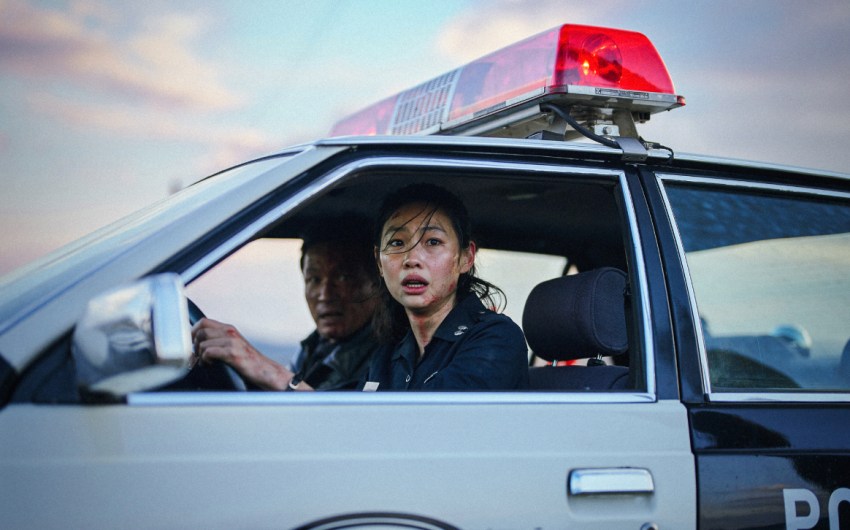
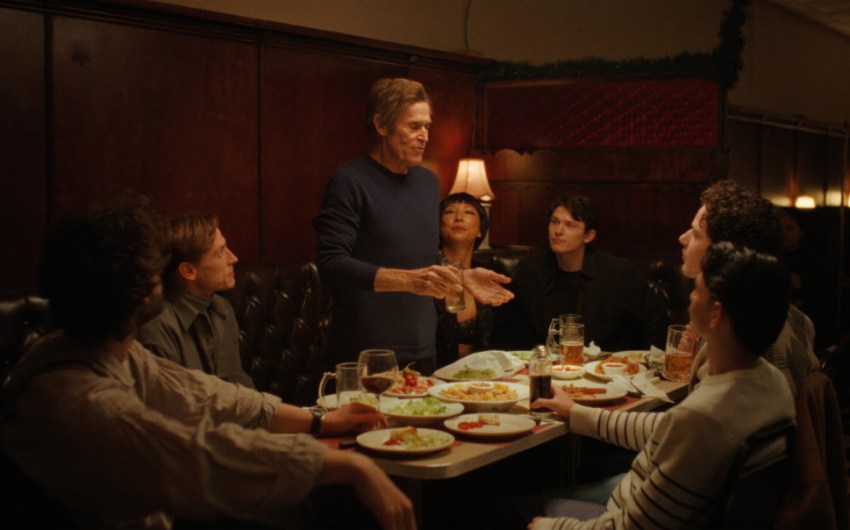
With his rapturously received new film It was Just an Accident, winner of the Cannes Palm d’Or and France’s Oscar bid, Panahi inventively indicts Iran’s brutal program of torture and of political prisoners — something the director knows about personally. What begins seemingly innocently enough, with a man running over a dog and seeking car repair, spirals into something far more sinister, and ambiguously evil.
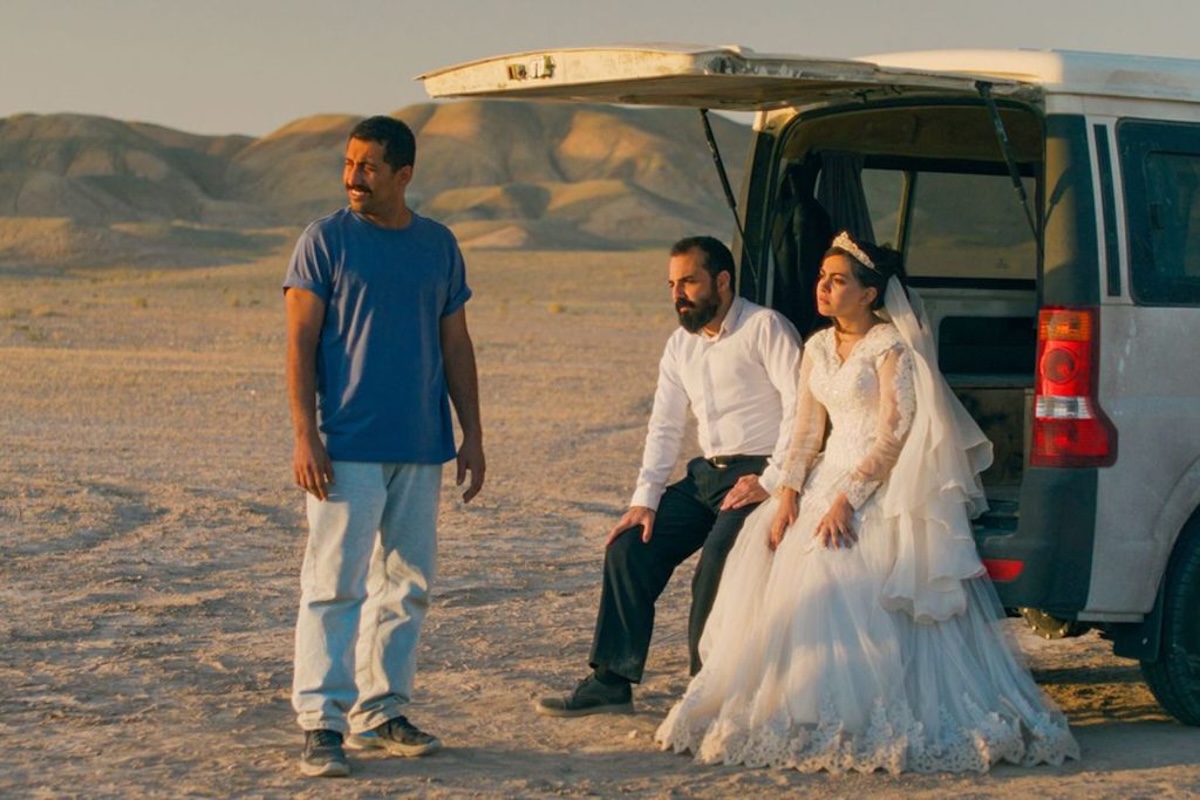
As with Roman Polanski’s Death and the Maiden, the central story here is a chance encounter of torture/interrogation victims and their former torturer, or suspected torturer, in this case. The voice haunts victims, never to be forgotten. Elements of mystery, suspense, and even moments of slapstick and existential, Becket-ian ennui filter into the tale, as former victims of the suspected interrogator grapple with how to identify and what to do with their kidnaped prey in a funky white van. The final confrontation with the truth, in the stark interrogation-like light of car headlights at night, arrives in a chilling conclusion.
True to Panahi’s naturalistic but deceptively crafty stylistic voice, he presents his story in a raw and real ways — with available light, sans musical score, and, by necessity, in stealthily strategic locations. (Again, this film was shot in Iran, flying under officials’ radar.) The sum effect is moving social realist cinema with a timely purpose, and one of the director’s most potent achievements to date.
At a SBIFF Cinema Society screening a few weeks ago, the festival’s head Roger Durling interviewed Panahi, through a translator.
Panahi recalled his own experience facing prison and interrogation. “The first time I went to prison,” he said, “I had continuous interrogation sessions. Sometimes two hours, sometimes four hours, sometimes eight hours. I always ask myself, ‘how old is this interrogator, what does he look like?’ And my auditory sense was above all my other senses. This is a shared experience among prisoners of conscience in Iran.
“When I was getting interrogated, I never thought that one day I would be making a film about an interrogator. As I said to my interrogator back then, all those experiences were going to come out one day, one way or another. My interrogator asked me why I make such films, and I said, ‘I am a socially engaged filmmaker, and when I encounter an issue or a struggle in society, it is not in my hands. It’s going to make itself into my films.’”
One of the unique aspects of the film is its refusal to impart damnation on the villainous character, whose own story speaks of Iranian social strictures. “In social cinema, you don’t have purely good or purely bad people,” Panahi commented. “And this is exactly why I call myself, not a political filmmaker, but a social filmmaker. I am a social filmmaker who is now working on a political side. And the socially engaged film will allow the so-called villain character — who is not purely bad — to say what he has to say.”
Despite stereotyped impressions of Iranian citizenry versus the governmental rule, he was quick to clarify that, “the people of Iran are very warm and happy people. If you go to Iran and just walk around for a few days, you go to cafés or to the bazaars, you see that people get friendly with you very quickly. And after a few hours, you’re both just laughing together. This goes back to a civilization of thousands of years, and for that reason, we have celebratory occasions.
“But the current regime, when it came to power, decided to take away all the moments of joy and celebration and replace them with ideological religious occasions that brought sorrow. But in the end, the regime did not succeed. It tried hard, but it didn’t succeed.”
Amid the present hoopla and deserved praises for his new film, and with Oscar potential looming, Panahi faces the irony that he remains a persona non grata in his native land, at least via official status and the sting of censorship.
“Engaged filmmakers who want to be staying truthful to the realism of society could no longer show women the way they were shown before, but with headscarves. And this is why independent filmmakers of Iranian cinema start making independent and clandestine films, underground films. It’s because they want to not give in to censorship.
“It’s a very big struggle to be a superstar at the height of your career, and all of a sudden, decide to no longer appear in the theaters or in my country.”
Meanwhile, much of the whole world is watching, and admiring.
It was Just an Accident is playing at the Riviera Theatre starting on November 1. View trailer here.