
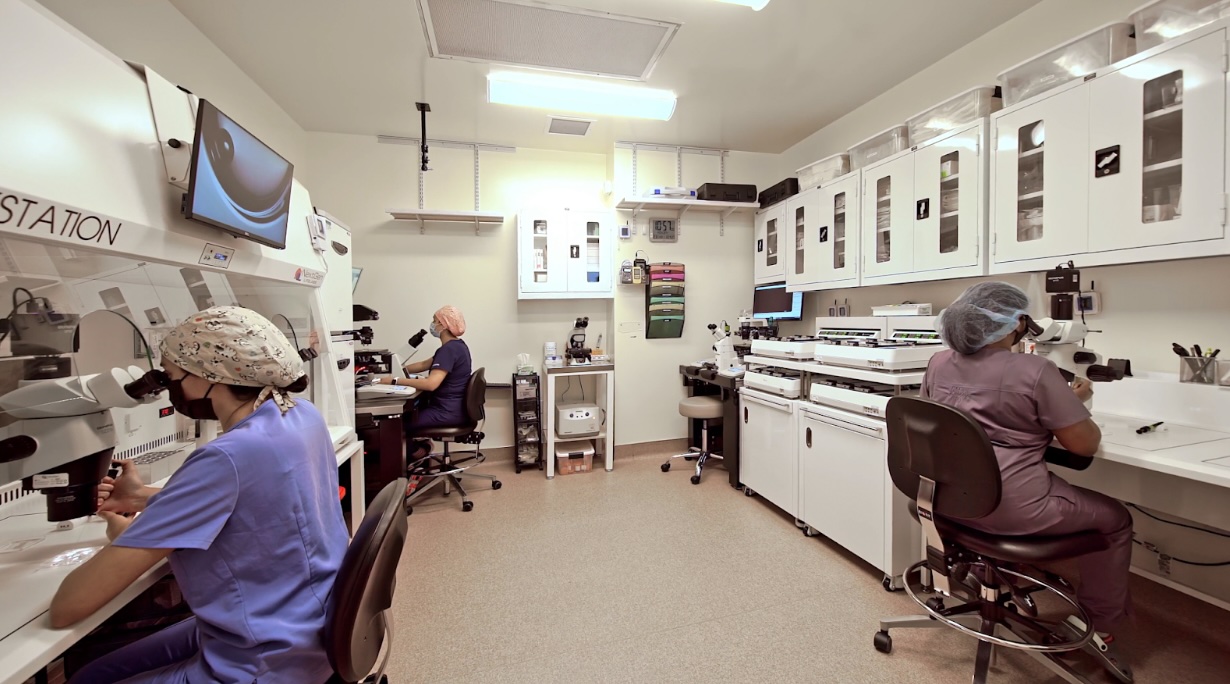
A federal push to make in vitro fertilization (IVF) more affordable has drawn national attention — and local skepticism.
Announced by the White House on October 16, the new initiative includes a pricing agreement with pharmaceutical company EMD Serono to reduce the cost of select IVF medications by up to 84 percent. Those discounts are expected to become available in early 2026 through a new federal platform called “TrumpRx.”
The goal, according to the administration, is to make IVF more accessible, especially to families who have long been priced out of the procedure. The underlying motivation? At a march in January, Vice President JD Vance said he wanted “more babies in the United States of America” and more “beautiful young men and women” to raise them.
As for the effects this new policy is having now, physicians in Santa Barbara say, so far, there has had no tangible impact.
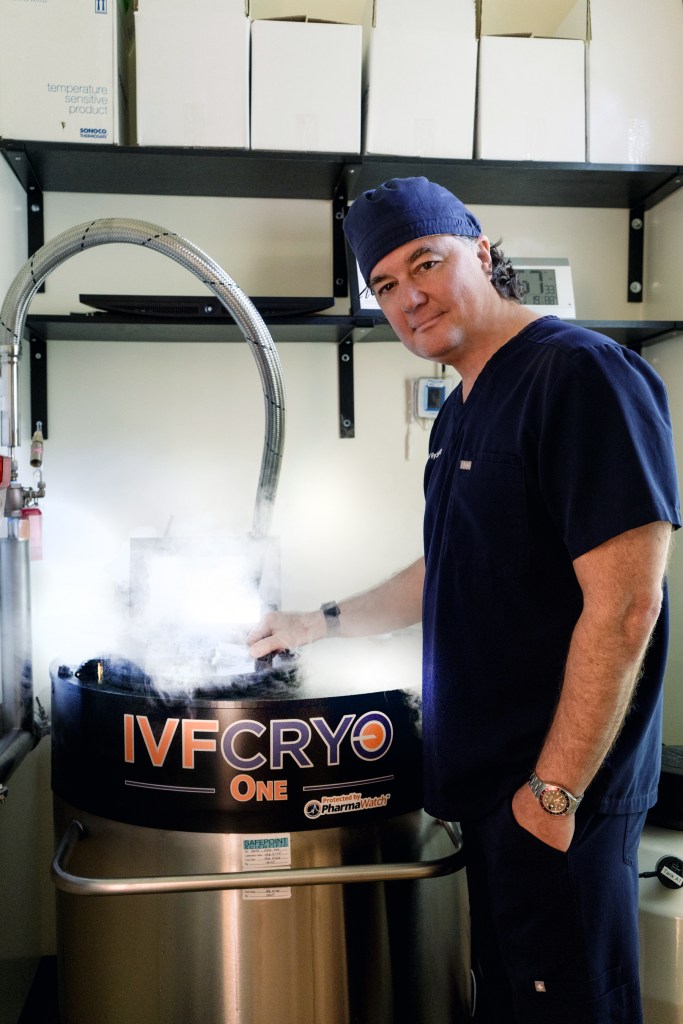
“Right now, it’s all just words,” said Dr. René Allen, founder of Santa Barbara Fertility Center. “There’s this executive order, but there’s nothing to back it up in terms of how it’s going to be done.”
According to the American Society for Reproductive Medicine (ASRM), “no changes were announced creating direct federal insurance mandates or subsidies for IVF.” The plan does not override state laws and does not expand coverage to Medicaid, TRICARE recipients, or the uninsured.
“This executive order doesn’t have any teeth,” said Dr. Daniel Rychlik, medical director of Empower Fertility in Santa Barbara. “If a company says no, there’s nothing to force their hand.”
IVF remains an expensive procedure. A single cycle can cost $10,000–$12,000, with medications adding another $3,000–$6,000. The discounted drugs covered under the new plan represent only a portion of that total.
And even those discounts may not apply broadly.
“My understanding is it would only be with insurance plans that cover it,” Rychlik said. “So I don’t know if there would be an ability for a direct consumer to get that price.”
For Californians, however, the more immediate change may come from state law.
Beginning January 1, large-group insurance plans in California, defined as employers with 50 or more employees, will be required to cover IVF. The legislation was passed in 2023, long before the White House initiative and is entirely separate from the federal policy.
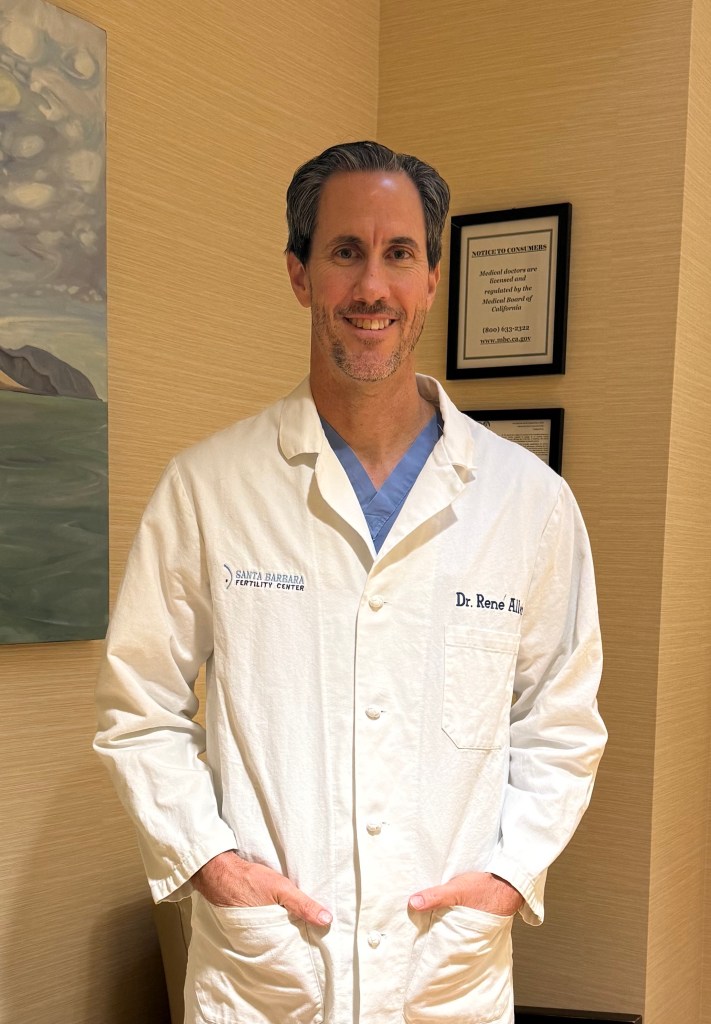
“California had already surpassed what Trump is doing — prior to his executive order,” Allen said.
While the federal initiative was widely seen as a response to the backlash following Alabama’s 2024 Supreme Court ruling, which granted personhood to frozen embryos and temporarily shut down IVF services in the state, California law remains more permissive.
Still, the Alabama ruling rippled across the country, prompting patient confusion over the legal rights to fertilized eggs.
“Since Alabama, it’s [patient confusion] something I have to deal with all the time,” Allen said. “Fortunately, in California, we have a lot of laws protecting patients and physicians. But everything is up in the air these days.”
The Alabama decision, which interpreted frozen embryos as children under the state’s Wrongful Death of a Minor Act, raised legal alarms across the fertility field. Fertility experts warn that similar “personhood” definitions, if adopted elsewhere, could criminalize standard IVF practices such as discarding non-viable embryos or limit the number of embryos clinics are allowed to create.
“If you have to treat an embryo as a person, and something happens in the lab — even accidentally — then technically, you’re talking about murder charges,” said Rychlik. “How are you going to find embryologists who want to work under that threat?”
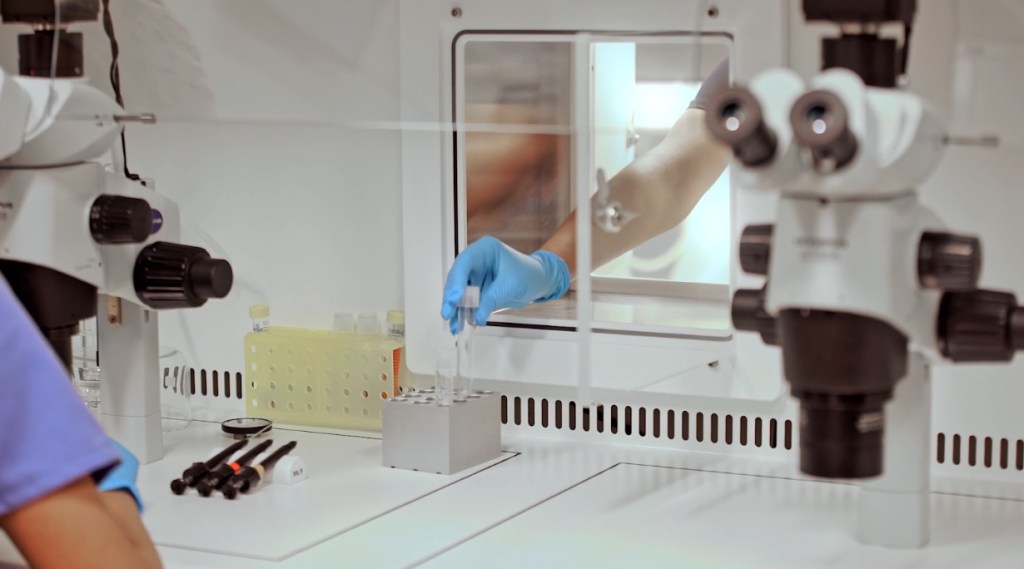
California currently defines frozen embryos as joint property shared by the individuals who created them — a framework that, while imperfect, allows for legal clarity in divorce or custody disputes.
“Do I want to call my future child ‘community property’? No,” Rychlik said. “But giving embryos legal rights opens a very dangerous legal and medical slope.”
Allen expressed concern that these legal shifts could eventually affect medical practice even in states like California. He noted that some fertility clinics are already preparing for restrictions by limiting how many embryos they create in a single IVF cycle or encouraging patients to freeze unfertilized eggs instead.
“There are certainly ways around dealing with some of these complicated social issues without having it be a widespread legal issue,” he said.
Both physicians emphasized that IVF, despite recent political attention, remains inaccessible for many.
“You can’t cheap out on success,” Rychlik said. “This isn’t fast food. If you want to do fertility care well, it requires top-level staff, top equipment — and that doesn’t come cheap.”
Allen agreed. “It’s great for patients that the insurance is going to start covering it,” he said. “But we’ll just have to see how it plays out.”
Related Posts




Premier Events

Fri, Mar 06
2:00 PM
Santa Barbara
Music & Meditation SB – Concert March 6, 2026
Sat, Mar 07
9:00 AM
Carpinteria
El Carro Park Cannabis Career Fair – Carpinteria

Sun, Mar 08
6:30 PM
Santa Barbara
6th Eco Hero Award Brock Dolman & Kate Lundquist
Sat, Feb 28
10:00 AM
Santa Barbara
Celebrate African American & Black History Month

Sat, Feb 28
1:00 PM
Santa Barbara
Black History Month Art Salon: “Images with a Global View”

Sat, Feb 28
2:00 PM
Santa Barbara
CWC Global: The Art of the Benshi

Sat, Feb 28
7:00 PM
Santa Barbara
Schnack ‘N Bari Trio at Roy
Sat, Feb 28
8:00 PM
Goleta
NO PEACE – An 805 Hardcore Show and Fundraiser for 805 Undocufund

Sun, Mar 01
7:00 PM
Goleta
Natalie MacMaster, Donnell Leahy, Celtic All Stars

Fri, Mar 06
7:30 PM
Santa Barbara
An Evening with Steep Canyon Rangers

Fri, Mar 06
8:00 PM
Santa Ynez
Funk Band Kool & The Gang at Chumash
Mon, Mar 09
6:30 PM
Santa Barbara
Science Pub: Cyborg Jellies Exploring Our Oceans

Sat, Mar 28
All day
Santa Barbara
Coffee Culture Fest
Fri, Mar 06 2:00 PM
Santa Barbara
Music & Meditation SB – Concert March 6, 2026
Sat, Mar 07 9:00 AM
Carpinteria
El Carro Park Cannabis Career Fair – Carpinteria
Sun, Mar 08 6:30 PM
Santa Barbara
6th Eco Hero Award Brock Dolman & Kate Lundquist
Sat, Feb 28 10:00 AM
Santa Barbara
Celebrate African American & Black History Month
Sat, Feb 28 1:00 PM
Santa Barbara
Black History Month Art Salon: “Images with a Global View”
Sat, Feb 28 2:00 PM
Santa Barbara
CWC Global: The Art of the Benshi
Sat, Feb 28 7:00 PM
Santa Barbara
Schnack ‘N Bari Trio at Roy
Sat, Feb 28 8:00 PM
Goleta
NO PEACE – An 805 Hardcore Show and Fundraiser for 805 Undocufund
Sun, Mar 01 7:00 PM
Goleta
Natalie MacMaster, Donnell Leahy, Celtic All Stars
Fri, Mar 06 7:30 PM
Santa Barbara
An Evening with Steep Canyon Rangers
Fri, Mar 06 8:00 PM
Santa Ynez
Funk Band Kool & The Gang at Chumash
Mon, Mar 09 6:30 PM
Santa Barbara
Science Pub: Cyborg Jellies Exploring Our Oceans
Sat, Mar 28 All day
Santa Barbara


You must be logged in to post a comment.