
This article was underwritten in part by the Mickey Flacks Journalism Fund for Social Justice, a proud, innovative supporter of local news. To make a contribution go to sbcan.org/journalism_fund.
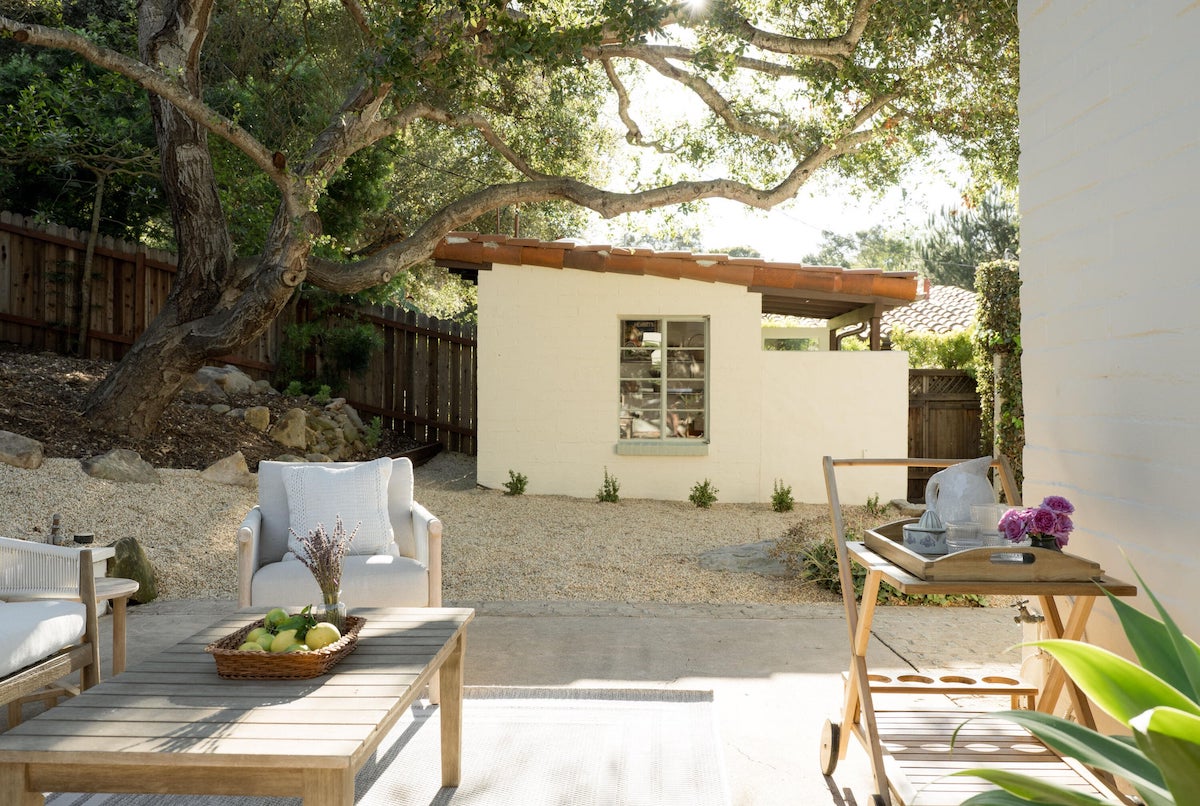
A new way to buy a home is slowly gaining traction in Santa Barbara. Tenancy in common allows people to purchase a percentage of a property. It’s a lot like a condo, except the land is never actually subdivided, so owners all pay a portion of one property tax bill.
Annette Vait is a broker associate with Berkshire Hathaway in town. She’s been working to help facilitate tenancy-in-common sales in the area and has seen growing interest. Currently, Vait said, she knows of four parties looking to buy or sell with the method. A formal sale is still a little ways out.
She said when she moved to Santa Barbara in 2021 and started finding clients, she had many younger home buyers.
“I have a lot of younger clients who I think all have great educations, great-paying jobs, and it’s really challenging for them to get into the market,” she said.
Vait said she started looking for solutions to provide more affordable options for buyers, including options in other high-cost cities. Then, she said, she came across tenancy in common.
“I think this is one way we can create housing stock at a different price point that’s going to allow some people to get a foothold and stay here,” Vait said.
That’s because tenancy-in-common properties sell for less — properties with four or fewer units tend to go for about 10-15 percent less than market-rate, Vait said. She said that data comes from sales in San Francisco and L.A.
Here’s how it works: A person who wants to buy a tenancy-in-common unit will need to enter into a formal agreement. The agreement covers what each buyer’s financial obligation is, including what ongoing costs the person will need to help cover (similar to HOA fees). It should also cover what happens if a person sells their share of the property.
For property owners looking to sell units under tenancy in common, size matters. Tenancy-in-common properties do not need to undergo any permits from the city regardless of how big the property is, but a property with five or more units needs approval from the California Department of Real Estate — that costs time and money.
Historically, folks interested in tenancy in common faced a major drawback: the need to assume the risk of a shared mortgage. If one co-owner defaulted on their mortgage payment or didn’t pay their property taxes, the other owners would see their credit scores go down and have to make up the difference for the tax payment.
But in the past 20 years or so, fractional mortgages have meant that the level of risk has decreased. Fractional mortgages allow you to purchase a portion of a property without your loan being tied to your co-owners. Vait said the fractional mortgage is a game-changer: It means people can enter into an agreement with strangers looking to split a property.
There are drawbacks to tenancy in common. Many banks do not provide mortgages for this kind of homeownership. With traditional mortgages, banks often sell the loans to companies that purchase them (Fannie Mae and Freddie Mac support more than two thirds of U.S.’s mortgage loans). That gives the bank liquidity. Because banks cannot sell tenancy-in-common mortgages to financing companies, they take on an added risk.

Vait said that a local bank or lender, however, may see a market and create a “product” — a mortgage for tenancy in common — to support it. These mortgages generally have slightly higher interest rates compared to condominium loans.
Tenancy in common grew in popularity in San Francisco in the 1980s and ’90s, as rent control limited profit from apartment units and city and state regulations limited landlords’ ability to convert units to condominiums. Because tenancy in common does not formally split a lot, it doesn’t need to follow the same rules for condo conversions.
How tenancy in common would interact with the City of Santa Barbara, if the city passes a rent stabilization ordinance, is an open question. Currently, the rent stabilization ordinance would not apply to properties built after 1995.
Vait said that she knows the argument that tenancy in common could reduce housing stock, impacting renters. She says there’s a necessary balance with units sold with tenancy in common and rental units.
“With [tenancy in common], you’re looking for somebody to own it, and oftentimes, some of the tenants in our community can’t afford and would want to own the unit that they’re renting right now,” Vait said.
Vait sees an opportunity for people who want to buy in Santa Barbara and start building equity.
“I think [it’s] the benefit of the expanded ownership and people that we need, young people and workers who make a decent living, to stay in our communities, to support our community,” Vait said.
This article was updated to show that the proposed rent stabilization ordinance would not apply to buildings built after 1995.
Related Posts




Premier Events
Fri, Oct 23
2:00 PM
Santa Barbara
Music & Meditation: Clarinetist Nancy Mathison & Pianist Antonio Artese

Mon, Oct 19
7:00 PM
Santa Barbara
PFLAG Santa Barbara October Meeting: “Schools and Inclusive Practices – What creates a safe and inclusive school?”

Tue, Oct 20
7:00 PM
Santa Barbara
Get Out the Vote Night @ SOHO, Music Performance by Loyal Defense Workers

Wed, Oct 21
6:30 PM
Santa Barbara
Teflon Comedy/Non-Schtick – Evening of Comedy

Thu, Oct 22
5:30 PM
Santa Barbara
Best Fest: A Celebration of the Best of Santa Barbara® Readers’ Poll 2026

Thu, Oct 22
6:00 PM
Santa Barbara
Chaucer’s Books Author Talk & Signing- Daniel M. Jaffe “Russian Silhouette: A Memoir of Activism and Identity”

Fri, Oct 23
5:30 PM
Solvang
Solvang Haunted House and Street Fair

Fri, Oct 23
7:00 PM
Santa Barbara
Beth Amine’s 20th Anniversary Wildcat Dance Variety Show

Fri, Oct 23
9:00 PM
Santa Barbara
Casa de la Raza Fundraiser: Brasscals! with DJ Darla Bea
Sat, Oct 24
10:30 AM
Santa Barbara
Picnic in the Cemetery: A Live Historical Event
Fri, Oct 23 2:00 PM
Santa Barbara
Music & Meditation: Clarinetist Nancy Mathison & Pianist Antonio Artese

Mon, Oct 19 7:00 PM
Santa Barbara
PFLAG Santa Barbara October Meeting: “Schools and Inclusive Practices – What creates a safe and inclusive school?”
Tue, Oct 20 7:00 PM
Santa Barbara
Get Out the Vote Night @ SOHO, Music Performance by Loyal Defense Workers
Wed, Oct 21 6:30 PM
Santa Barbara
Teflon Comedy/Non-Schtick – Evening of Comedy
Thu, Oct 22 5:30 PM
Santa Barbara
Best Fest: A Celebration of the Best of Santa Barbara® Readers’ Poll 2026
Thu, Oct 22 6:00 PM
Santa Barbara
Chaucer’s Books Author Talk & Signing- Daniel M. Jaffe “Russian Silhouette: A Memoir of Activism and Identity”
Fri, Oct 23 5:30 PM
Solvang
Solvang Haunted House and Street Fair
Fri, Oct 23 7:00 PM
Santa Barbara
Beth Amine’s 20th Anniversary Wildcat Dance Variety Show
Fri, Oct 23 9:00 PM
Santa Barbara
Casa de la Raza Fundraiser: Brasscals! with DJ Darla Bea
Sat, Oct 24 10:30 AM
Santa Barbara


You must be logged in to post a comment.