
Do you have a fever? Runny nose or eyes? Rash behind the ears and along the hairline? Chances are good you have measles. As of July 27, California’s Public Health Department reported 52 cases of the highly contagious disease in the state since January. In both June and July, Los Angeles Public Health sent a pair of reports warning of potential measles exposure — three at LAX and one at the airport in Burbank. The most recent was for passengers at Terminal B and at baggage claim on July 16 after 9:45 p.m.
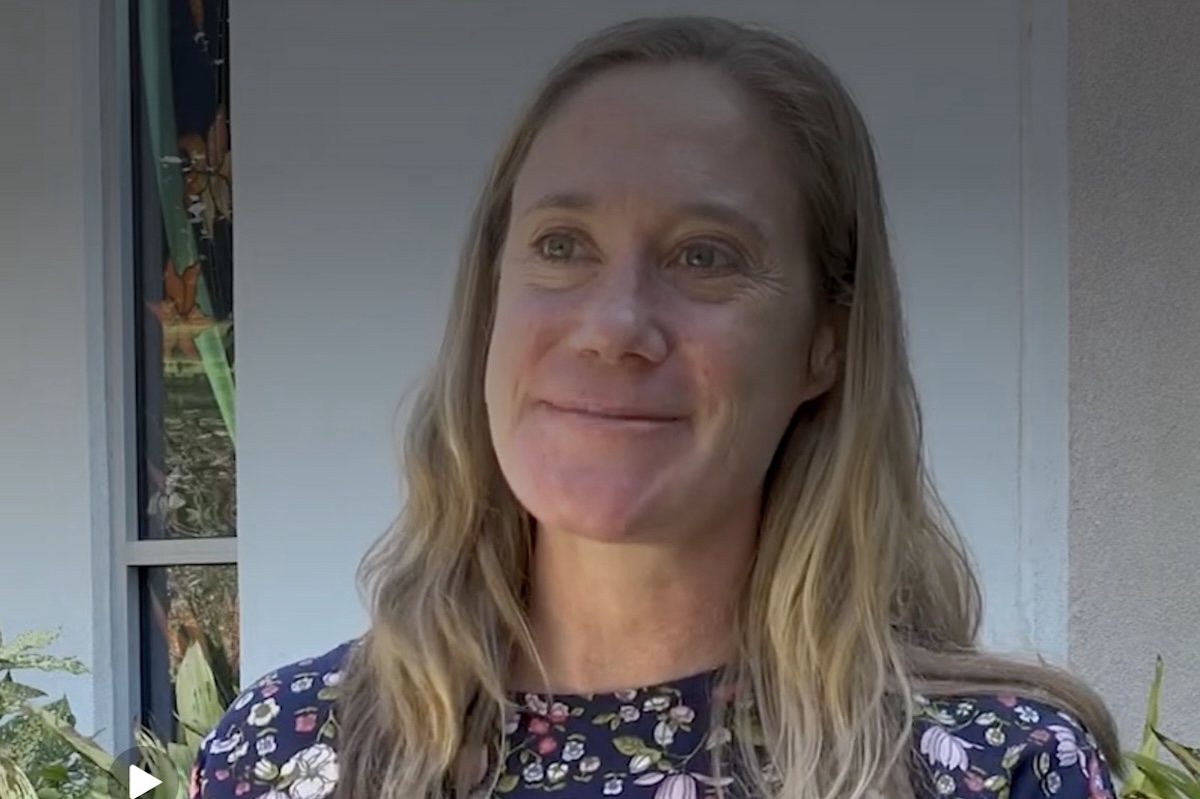
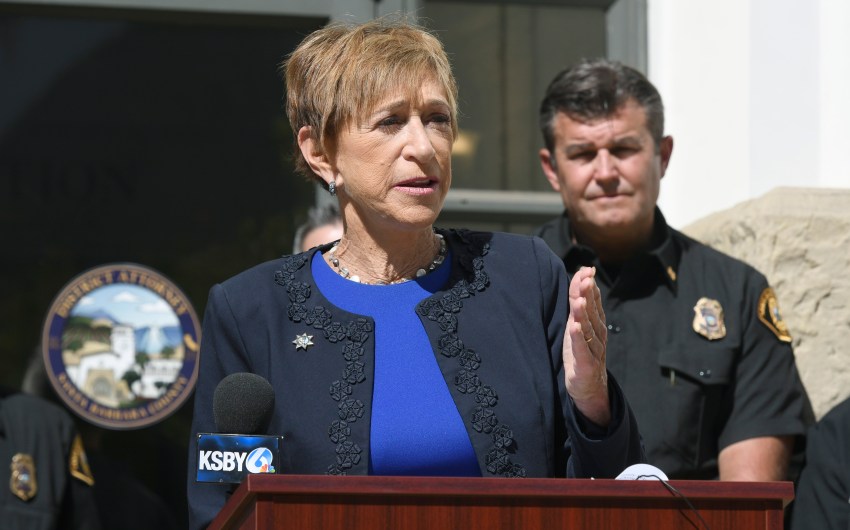
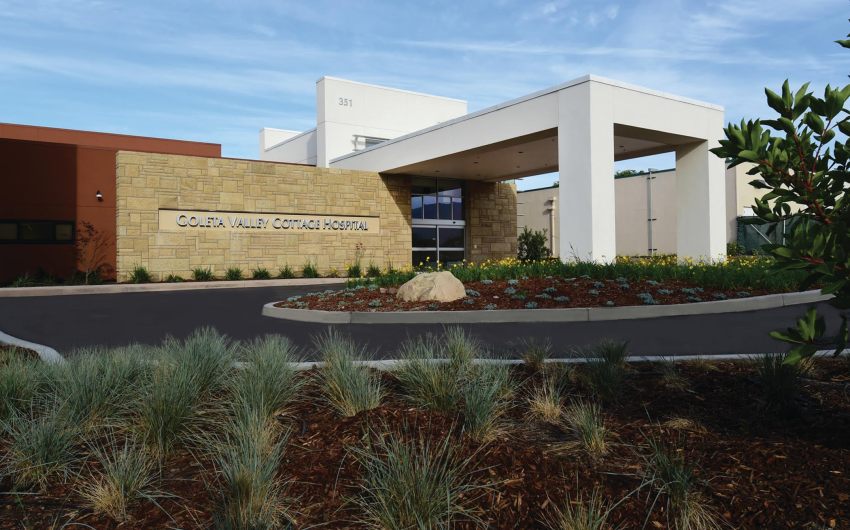
“Measles is something to always take seriously,” said Dr. Jenna Holmen, a pediatric infectious disease specialist with Cottage Health in Santa Barbara. With a sturdy vaccination rate of more than 95 percent, California is fortunate, the doctor indicated. “And one of the beauties of this vaccine is that it’s one of the most effective vaccines we have,” she said. “Adults who were alive before the MMR [measles, mumps, rubella] vaccine were likely exposed to measles and have a lifelong immunity. For those who got the vaccine, they have protection that is lifelong.” The only caveat would be for those who are vaccinated but immunocompromised; they would want to be careful in crowds or when traveling, she suggested.
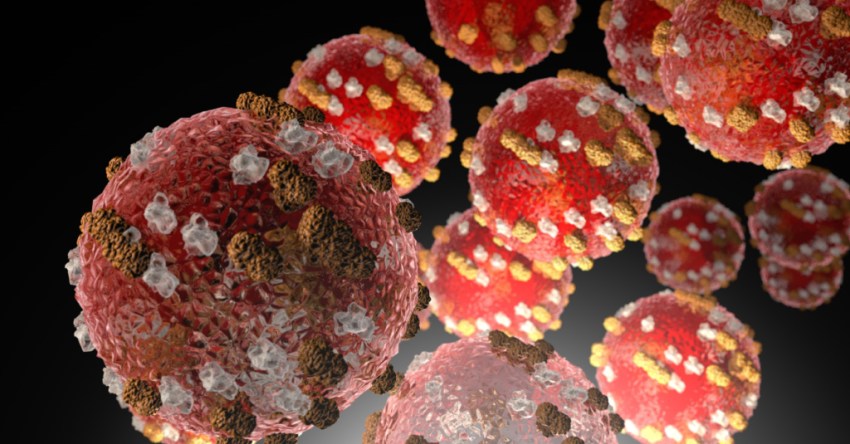
Nationwide, the count is up to 2,318 cases as of July 23, according to the Centers for Disease Control and Prevention. This surpasses the record set in 2025 of 2,289 cases of measles, and in just the first seven months of 2026. Even so, medical experts believe that’s an undercount. The Texas measles outbreak of 2025 infected 752 known cases, but researchers believe the total was more in the 1,500 range, according to MedPage Today.
Measles was considered eradicated from the U.S. in 2000, an elimination goal set in 1966. The hard-won status fell to outbreaks that began in January 2025, spreading through Texas, New Mexico, and Oklahoma. Three people died, the first in the U.S. of measles in more than two decades, according to a National Library of Medicine study. Many health experts attribute the surge to a number of reasons, but key among them is the vaccine skepticism favored by Health and Human Services Secretary Robert Kennedy Jr., and the Trump administration’s disruptions throughout federal medical agencies by leadership shakeups and personnel and funding cuts.
Measles is one of the most contagious infections known to man, Dr. Holmen said. “It’s estimated that one person with measles, if in a community without vaccination, can infect 10 others. It can linger in the air for an extended time. On a subway car, for instance, after someone with measles gets off, the virus will circulate for a fair amount of time.” Comparatively, COVID might infect 2.5 persons and would only be airborne for relative minutes. “Measles can fill a subway car,” Holmen added. “COVID wouldn’t go all the way through.”
It takes from one to two weeks after exposure to measles to bloom into a fever and about four days later into a rash. Complications range from ear infection and diarrhea to pneumonia and encephalitis. Among U.S. cases in 2026, about half the patients are ages 5-19 years old and 93 percent unvaccinated or of unknown vaccination status. No deaths have occurred, but 151 people were hospitalized. Santa Barbara County hasn’t had a patient with measles since 2019, the county’s Public Health Department said.
“Vaccines really are very safe,” Dr. Holmen said. “They’re very valuable to help protect you, your children, and everyone around you.”







You must be logged in to post a comment.