There are three things in this world that make my eyes roll back in my head:
- Salted caramel paired with dark chocolate
- [absolutely not appropriate for print]
- Knowing that I’m right, and you’re an idiot
I bet that last one is irresistible to you, too: the righteous indignation of moral certainty. Whether it’s about politics, religion, or the indisputable supremacy of your favorite band, there’s something irresistibly delicious about sitting cross-legged in unquestionable correctitude, and refusing to budge an inch in any direction.
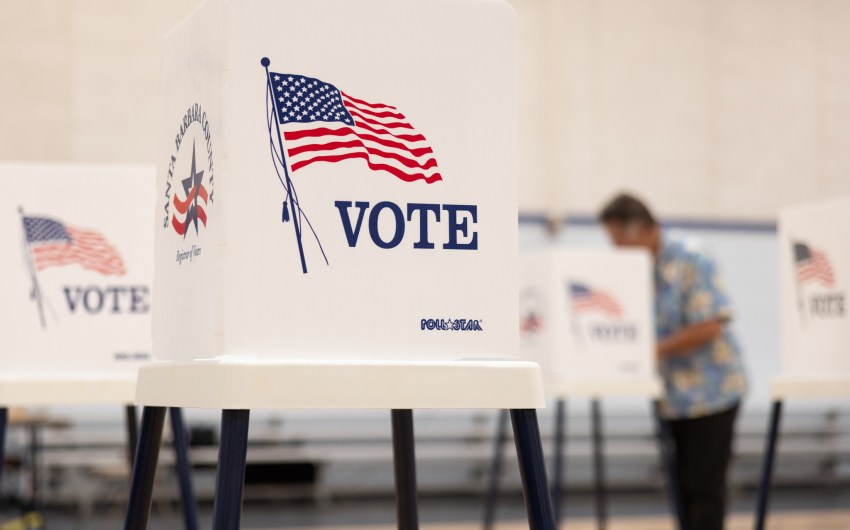
And yet … most Americans believe our polarization, entrenched ideologies, and inability to truly listen to one another are among the greatest problems facing our country. And never are these failings more pronounced than in the days before an election.
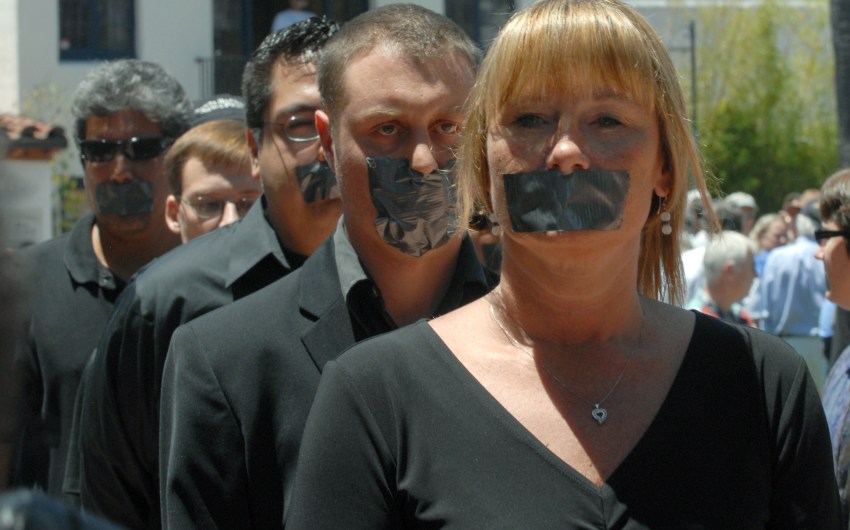
Will our once “indivisible” nation ever again be capable of civilized discourse?
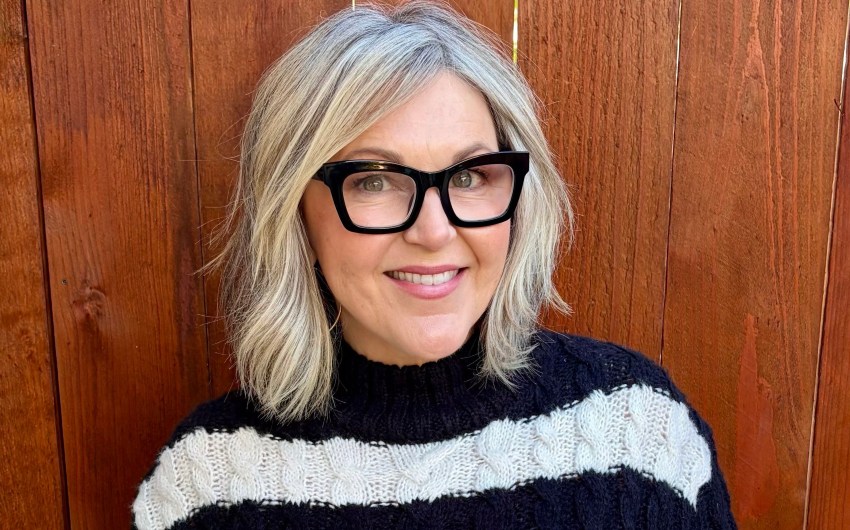
Sociologist Ilana Redstone says it’s possible. But the solution starts — and you’re not gonna love this — with interrogating our own personal positions.
Redstone is the author of The Certainty Trap: Why We Need to Question Ourselves More — and How We Can Judge Others Less.
The certainty trap, she says, is an unwillingness to consider the possibility that we’re wrong. It stems from the fallacy that if someone else has the same information we do, they’ll feel the exact same way that we do.
“We believe that no reasonable person could come to a different conclusion than the one we’ve arrived at,” Redstone says.
That leads us to stop asking questions about what we know, and even to decide that there are no questions to be asked! Worse: It gives us license to judge, label, and dismiss anyone who disagrees.
Hence the name of the course she teaches at the University of Illinois Urbana-Champaign: “The Sociology of Political Polarization: Bigots and Snowflakes.” You can also watch her Beyond Bigots and Snowflakes series on YouTube. In both, she insists that the only way to escape the certainty trap is to question our thinking — and make our reasoning explicit.
For example: “I get a flu and COVID shot every year, and my kids were vaccinated on schedule,” Redstone told me. Her reasoning? “Because I assume we have enough knowledge about the science, and that the institutions offering them want what’s best for us.”
But every decision we make has tradeoffs, she points out — or it wouldn’t even be a decision.
“So, if you ask me if a reasonable person could question that science, I’d say 100 percent yes!” says Redstone (who says she votes Democrat, in case, like me, you’re still a fan of labels). “It doesn’t mean you’re changing your personal values. It just means you’re not treating them as idiots for their doubts.”
But hear me out here: Why-the-actual-frick not? Herd immunity requires that a certain percentage of people cooperate. So those who don’t are literally putting the rest of us in danger.
“Why should we not dismiss their perspectives as deranged or ignorant?” I asked Redstone. “What do we get when we don’t treat them as idiots?”
“I guess I’d flip that around,” Redstone prodded: “What do you get when you do treat them as idiots?”
And there was a chilling silence as it all clicked into place for me. What we get is seething contempt, indulgent outrage, and a one-way ticket to exactly where we already are right now: Two opposed sides unwilling to hear one another, or fix anything at all.
Avoiding the certainty trap, Redstone promised, does not mean that suddenly any claim is as good as any other.
“It just requires two things,” she says: “One: You’re willing to be wrong. Two: Disagreeing with you doesn’t make someone immoral or stupid.”
Well, there went one of my greatest pleasures. I’m not gonna lie: Intellectual humility, productive dialogue, and a functioning democracy are less delicious than moral superiority. But I bet they’re a lot more nutritious.
In fact, I’m certain of it.