

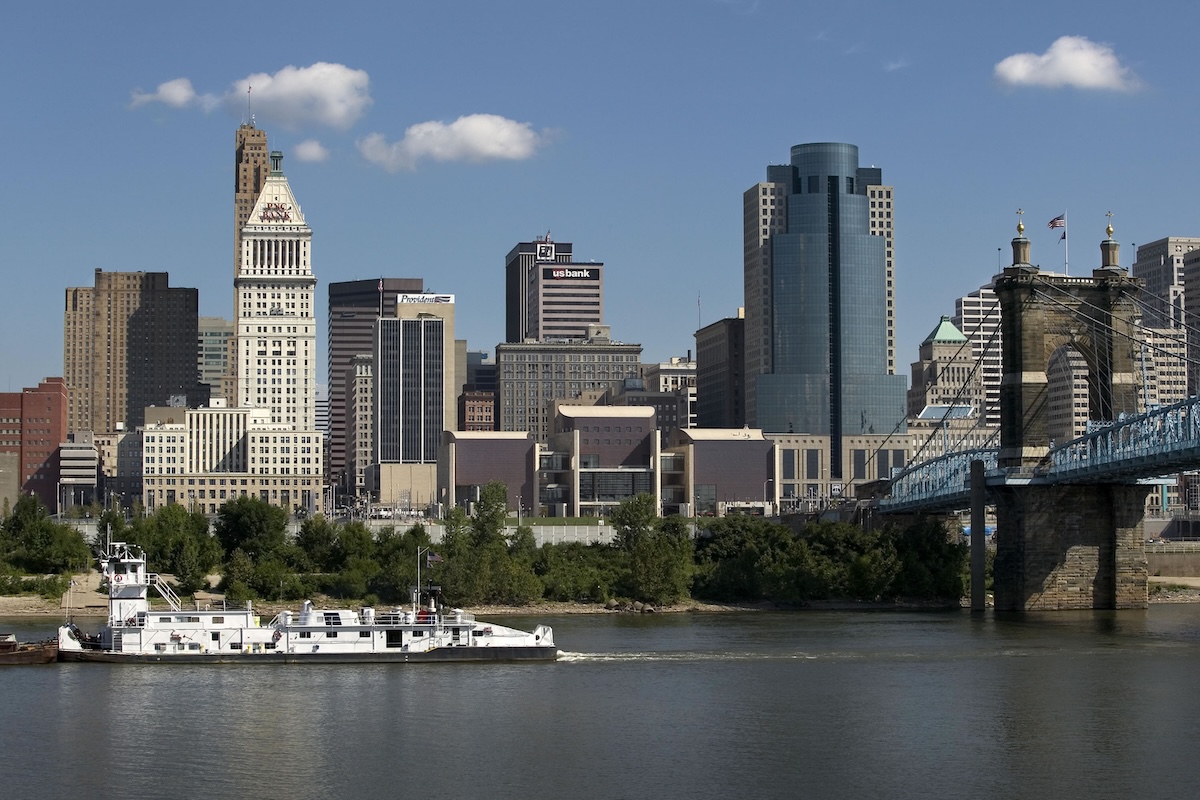
Recently, I was invited to visit the greater Cincinnati region, which includes towns in northern Kentucky, and experience what this metropolis (population circa 315,000) has to offer visitors.
I realized early in the visit that by far the most compelling reason to travel to this region of Ohio is the chance to browse the fascinating galleries within the National Underground Railroad Freedom Center, a nonprofit that relies on private, not federal, funding.
Browsing through the carefully curated exhibits, a visitor can retrace the journeys of enslaved people, torn from their African homes, shackled and forced onto ships and transported to the shores of The New World. Starting from the late 1700s and continuing until the end of the Civil War, the Underground Railroad was a network of safe homes, churches, businesses, and people who wanted to help slaves escape to freedom in the northern U.S.A. and Canada.
The Ohio River, which flows between Ohio and Northern Kentucky, served as a geographic icon that marked the boundary between slave states in the South, including Kentucky, and the free state of Ohio in the North. The Underground Railroad brought runaway slaves to these banks, and helped them cross the river (in those days the water was lower and one could walk across) and take them to safe havens, most notably Bethel Baptist Church on the opposite side.
The museum was founded 30 years ago and is now a remodeled multistory complex overlooking the banks of the Ohio River. Novella Nimma-Black (Novella Nimma), the museum’s manager of community engagement and special projects, guided us through the galleries and connected past history with modern times. She sums up the museum’s mission and purpose thus: “The National Underground Railroad Freedom Center’s mission is to pursue inclusive freedom by promoting social justice for all, building on the principles of the Underground Railroad. Arguably the first social justice movement in the United States, the Underground Railroad required the same character traits that activists need today — bravery, cooperation, perseverance, empathy, and community.”
She adds that “In a world where historical facts are questioned, the Freedom Center’s commitment to truth-telling is essential. Acknowledging the injustices and harm that enslavement caused helps us understand the roots of inequality that still shape society today.
Learning about the conductors of the Underground Railroad honors the courage and perseverance of those who risked everything for freedom and justice. Their stories inspire us, reminding us that ordinary people can create extraordinary change, even when resistance or setbacks arise.”
Reaching Northern Kentucky and crossing the river to Ohio, however, did not guarantee freedom for escapees. Slave catchers lurked everywhere, ready to pounce on slaves, shackle them, bring them back to their owners, and collect bounty. And once on “safe ground” in Ohio, former slaves had to register and pay fees, and after the 1850 Fugitive Slave Act, many had to continue their journey up to Canada.
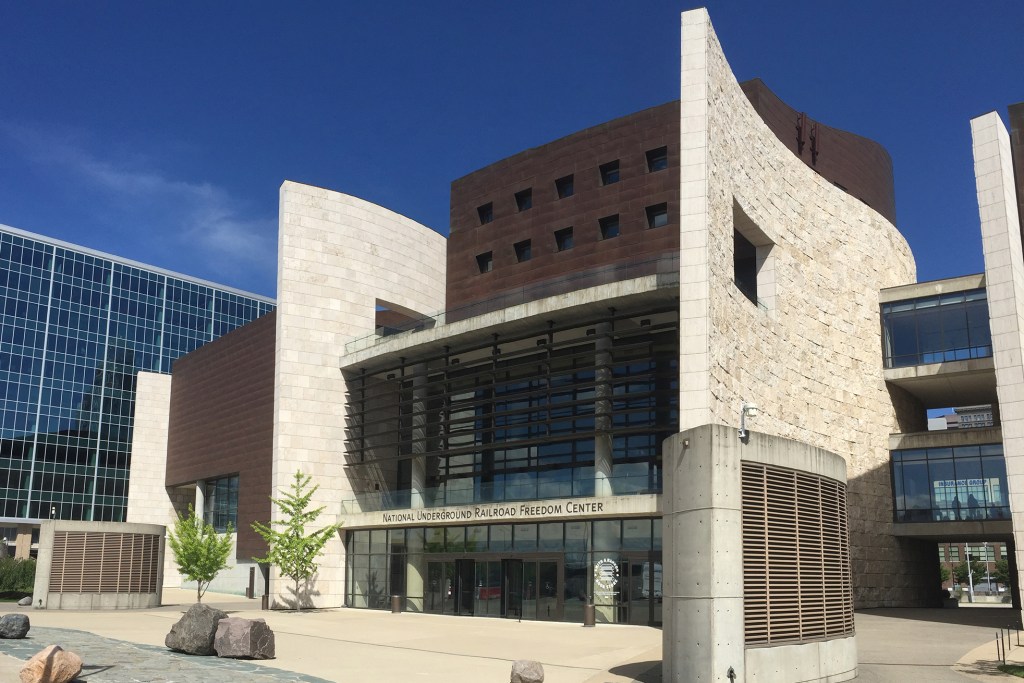
If you do get a chance to visit the Freedom Center, don’t miss these standout exhibits, according to Nimmo.
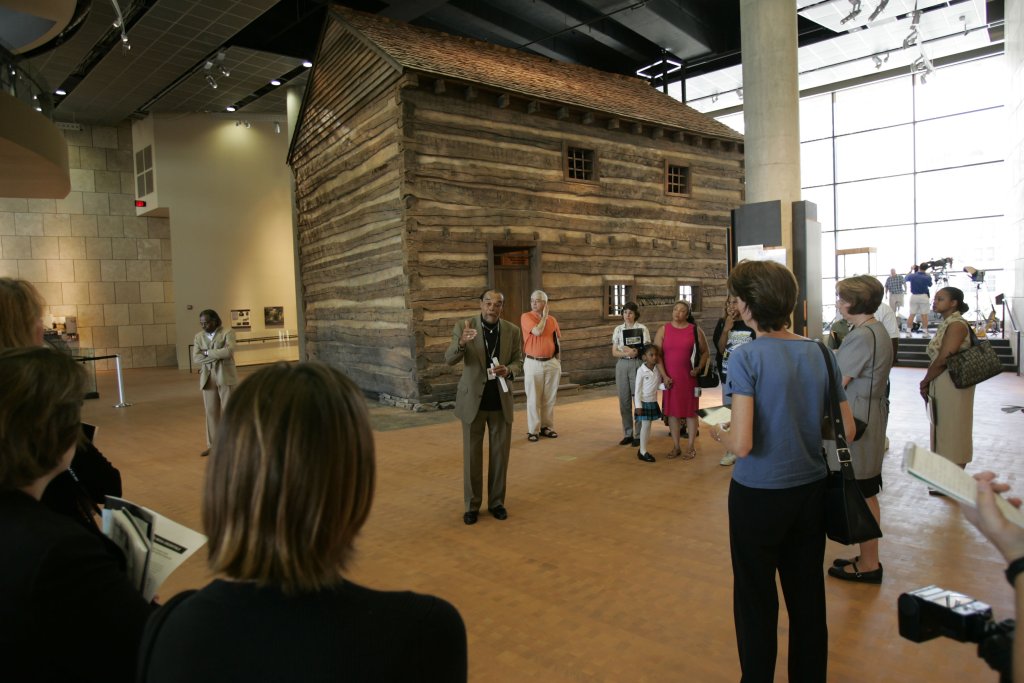
The Slave Pen is a landmark of the Freedom Center. Built in the early 1800s, and recovered from a farm in Mason County, Kentucky, this structure was used as a holding cell by Kentucky slave trader, Capt. John W. Anderson, to temporarily keep enslaved people before moving them to Natchez, Mississippi. The experience leaves visitors with a deep understanding of the brutal conditions endured by enslaved people.
From Slavery to Freedom chronicles three centuries of enslavement from its introduction to the Americas to its abolition at the end of the American Civil War.
Our newest exhibition, In This Place, serves as an introduction to the Freedom Center experience and gives visitors an understanding of the importance of Cincinnati and the role it played prior to, during, and after the Underground Railroad. Its design encourages visitors to think about how they can be conductors today in the fight for inclusive freedom. In This Place is the first stage in a larger remake of our exhibitions that will continue the emphasis on linking the past and present.”
How Can We Help? What Can We Do?
Nimmo emphasizes that even if we don’t live in the Cincy area, we can still help out. “You can help support the Freedom Center by becoming a member or donating! You can also become a modern-day abolitionist in your community. Community is powerful. People coming together to support, uplift, and protect one another creates strength far greater than what anyone could achieve alone. Look at community organizations whose values mirror your own and get involved.”
Other Reasons to Visit Greater Cincy
If you’re a sports fan, you’ll be in heaven here. Cincy has three huge stadiums for professional sports: TQL Stadium for soccer, home of FC Cincinnati, Paycor Stadium (Cincinnati Bengals) for football, and Great American Ballpark, home of the Reds for baseball.
Where to Eat and Drink
Make a point of at least sampling two of the foods Cincy residents say they were raised on: goetta and Cincinnati chili. To me, goetta looks and tastes like spam, and it’s somewhat related, typically born from ground pork and beef, oats, onions, and various other ingredients. Goetta has a huge following. Think of trying spam musubi in Hawai’i; you gotta find out what locals say they can’t live without.
To find great goetta, order a sandwich at Eckerlin Meats at Findlay Market, a family-run business since 1855. Findlay Market opened in 1852 and is lauded as one of the world’s top food markets. Here you’ll also find 50 merchants, from market stands and restaurants. Take time to wander the neighborhood, filled with 19th-century buildings.
Regarding the chili — well, prepare to reset your taste buds. This is a sweet and savory beef chili in tomato sauce with added cloves, cinnamon, nutmeg, allspice, and other ingredients, and you usually order it with several add-ons such as spaghetti or hot dogs, and cheese. Your best bet is one of the Skyline Chili chain restaurants, with versions made with the original secret Greek family recipe passed down through generations since the 1920s.
For fine dining, you have several choices. Wildweed, one of Cincy’s newest restaurants, is already earning spots in the nation’s top restaurant lists; the menu features hyper-local, seasonal and foraged ingredients.
At another lauded newcomer, Aperture, James Beard Award semi-finalist for Best Emerging Chef Jordan Anthony-Brown serves up delectable, shareable dishes with local ingredients and Mediterranean flair.
Reserve a table at Ghost Baby Speakeasy set four stories under the street in underground lagering tunnels once used to cool and age a brewing company’s beer. Enjoy drinks and live music and performances in the cavernous main bar with a velvet-curtained stage.
Taste craft beer at Sam Adams Tap Room, which you might equate with Boston, but the revered brand actually has Cincy roots. Cincinnati native Jim Koch founded Samuel Adams in 1984 using a family recipe, helping ignite the craft beer revolution. It’s based in Boston, but the production facility is in an historic Cincy brewery where you can enjoy a tasting flight of small-batch craft beers in the taproom and view a mural depicting the area’s rich brewing heritage. They are a proud and prominent promoter of the local professional soccer team, FC Cincinnati ; it’s two blocks from TQL Stadium. Try to time your visit for the U.S.A.’s largest Oktoberfest, celebrating its 50th anniversary in 2026.
Across the river, in northern Kentucky, join a tour at female-run New Riff Distilling, part of the Kentucky Bourbon Trail and next to the nation’s largest employee-owned liquor store.
Art & Culture
Walk the Cincinnati Black Music Walk of Fame and learn about the area’s innovative music history and connection to iconic Soul and Funk artists like James Brown and Bootsy Collins.
Cruise along the Ohio River on BB Riverboats, a fitting tour in a region that once built a quarter of all steamboats in the nation.
Time a visit to include BLINK, the nation’s largest public art and light event. It happens every two years, and the next festival starts October 11, 2026.
Where to Stay
I stayed at the brand-new Moxy Hotel, a sleek, contemporary collection of renovated Italianate buildings with a rooftop bar, close to the Bengals and Reds stadiums, the National Underground Railroad Freedom Center, and the Black Musician Walk of Fame.
Info
Related Posts
Premier Events
Sat, Oct 10
9:00 AM
Santa Barbara
Treble Clef Chorus Fall Treasure Sale
Sun, Oct 11
5:00 PM
Santa Barbara
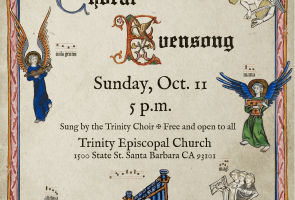
Trinity Choir: Choral Evensong
Fri, Oct 09
7:00 PM
Santa Barbara
Paseo Nuevo Spooky Movie Nights
Sat, Oct 10
9:00 AM
Santa Barbara
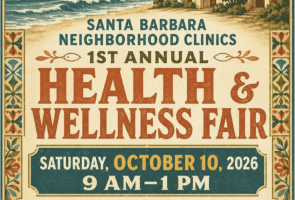
SBNC 1st Annual Health & Wellness Fair

Sat, Oct 10
1:30 PM
Goleta
🌴 Another Day in Paradise at S.B’s Premier Ice Rink

Sun, Oct 11
7:00 AM
Ojai
Flamenco Guitarist Tony Ybarra

Sun, Oct 11
10:00 AM
Santa Barbara
18th Annual Domestic Violence Solutions Brunch
Sun, Oct 11
10:00 AM
Santa Barbara
Free Community Day at S.B. Botanic Garden
Sun, Oct 11
10:00 AM
Santa Barbara
Downtown Classic Car Show Santa Barbara
Sun, Oct 11
11:00 AM
Santa Barbara
Raíces y Sueños: Bilingual Storytime at Santa Barbara Museum of Art
Sun, Oct 11
2:00 PM
Santa Barbara
The Theatre Group at SBCC Presents: “CLUE”
Sun, Oct 11
10:00 PM
Santa Ynez
Inaugural Santa Ynez Art Walk
Sat, Oct 10 9:00 AM
Santa Barbara
Treble Clef Chorus Fall Treasure Sale
Sun, Oct 11 5:00 PM
Santa Barbara
Trinity Choir: Choral Evensong
Fri, Oct 09 7:00 PM
Santa Barbara
Paseo Nuevo Spooky Movie Nights
Sat, Oct 10 9:00 AM
Santa Barbara
SBNC 1st Annual Health & Wellness Fair
Sat, Oct 10 1:30 PM
Goleta
🌴 Another Day in Paradise at S.B’s Premier Ice Rink
Sun, Oct 11 7:00 AM
Ojai
Flamenco Guitarist Tony Ybarra
Sun, Oct 11 10:00 AM
Santa Barbara
18th Annual Domestic Violence Solutions Brunch
Sun, Oct 11 10:00 AM
Santa Barbara
Free Community Day at S.B. Botanic Garden
Sun, Oct 11 10:00 AM
Santa Barbara
Downtown Classic Car Show Santa Barbara
Sun, Oct 11 11:00 AM
Santa Barbara
Raíces y Sueños: Bilingual Storytime at Santa Barbara Museum of Art
Sun, Oct 11 2:00 PM
Santa Barbara
The Theatre Group at SBCC Presents: “CLUE”
Sun, Oct 11 10:00 PM
Santa Ynez



You must be logged in to post a comment.