

Words matter. We often say a photographer “takes a picture.” The dictionary defines “take” as to seize, grasp, to capture something, which grammatically makes it sound aggressive and helps explain why many people don’t want their photograph “taken.”
“Making” means to produce something by construction or elaboration. We welcome someone announcing they are making dinner. It implies that we will all benefit, that we will all enjoy the outcome. Context is everything.
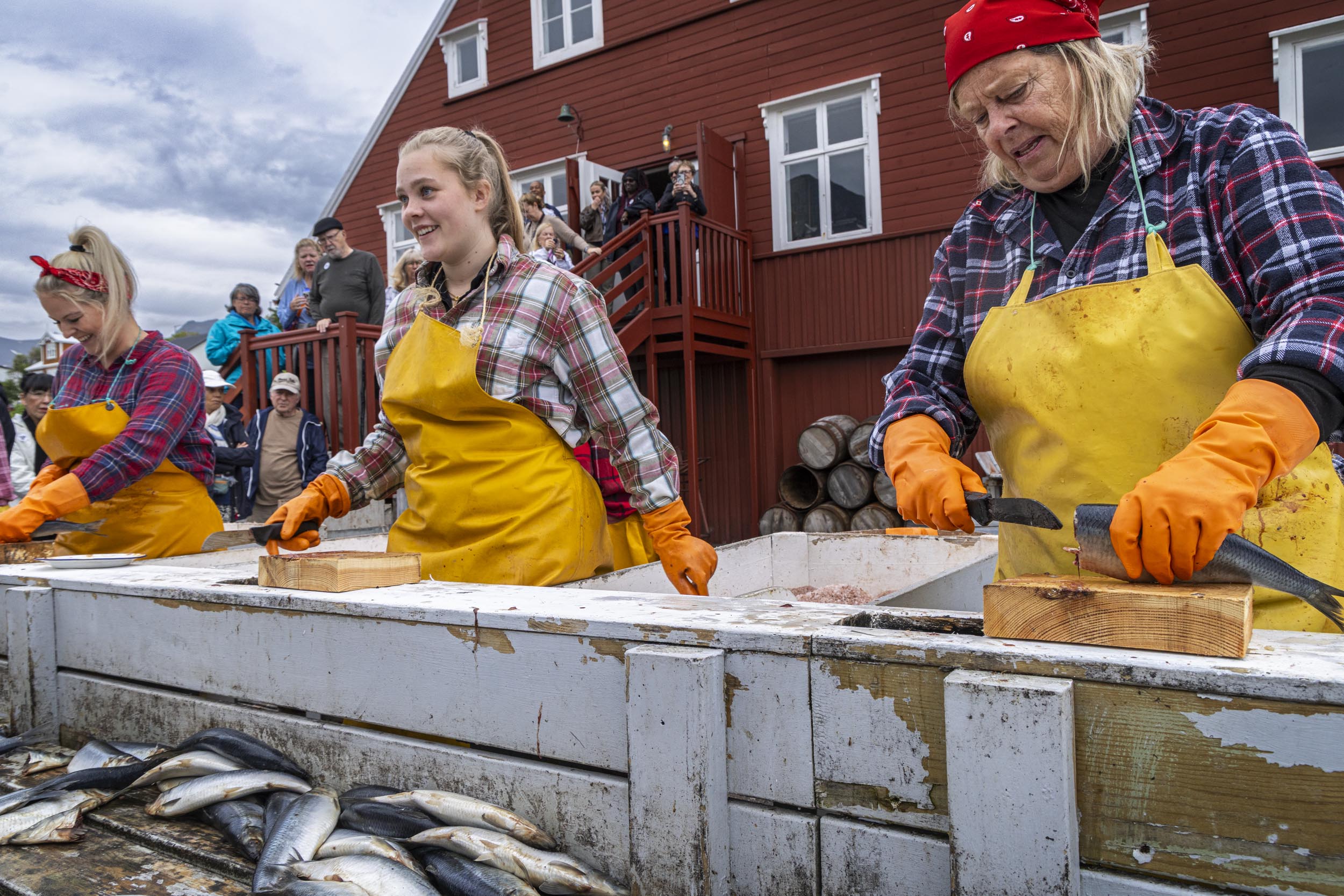
A couple of experiences made me rethink how I photograph people, especially when traveling. I recently attended a performance of a local theatrical group at the Herring Era Museum in Siglufjör∂ur, Iceland. They give an entertaining demonstration of the work at a salting station between the 1910s and 1960s when women toiled on the docks, gutting, cleaning, and salting barrels of the fresh-caught herring.
The women, no matter their age, were known as the Herring Girls. They came from farms and villages from across Iceland and obtained previously unknown financial independence. The rapid socioeconomic change laid the groundwork for the global-leading gender equality found today in Iceland. (According to the World Economic Forum, Iceland has been number one for a decade and a half while the United States is currently 42nd).
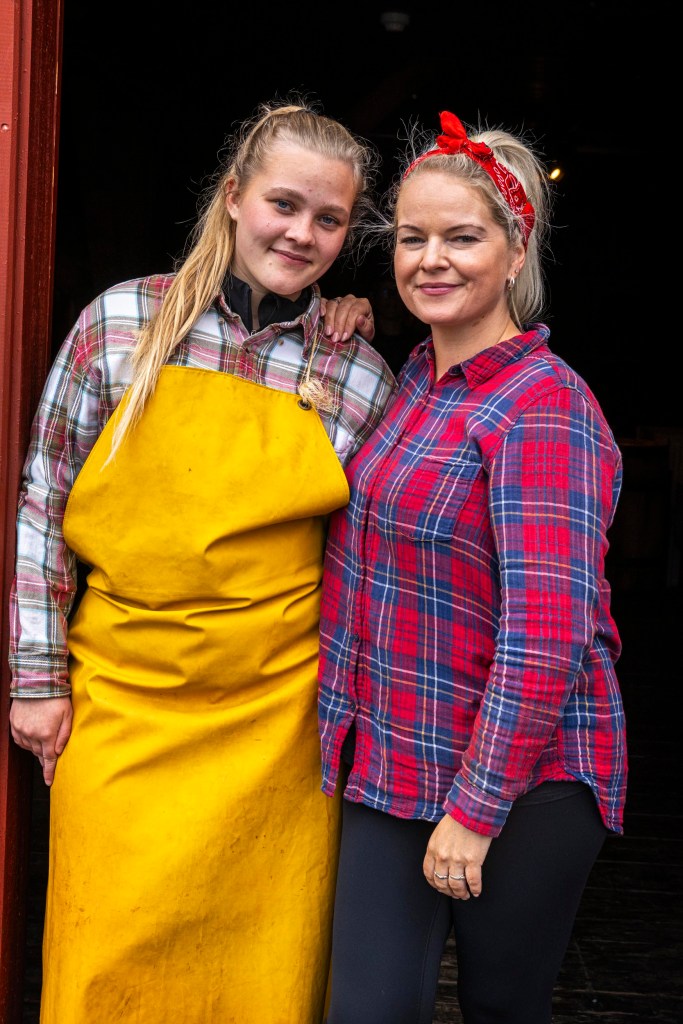
At the end of the performance, the actors mix with the audience wishing to take pictures and selfies. When the audience finally left, I asked if I could make a few portraits. The actors were tired, but they good-naturedly agreed. I offered to AirDrop the images. When they saw them, everything changed. They loved them.
It became a collaborative project. They were choosing who they wanted me to photograph, making the big decisions. I was composing and paying attention to the lighting, using both my iPhone and my 35mm SLR. We’d shoot; we’d AirDrop; they’d ask if we could do more. It’s usually the other way around, where the photographer asks the model if we can keep working. Now, they were asking me if I would. Of course.
I was no longer taking photos. We were making photos, collaborating. What a distinction! I could see this in their faces as they viewed their portraits on their screens with such delight and pleasure.
When I began documenting the living Maya in Yucatán, I was shooting film. I’d promise them photographs, but sometimes it took years before I’d return with photos. For many of the Maya, they might have only two or three photos of themselves their entire lifetime, commemorating a special event, such as a wedding. They’d travel to the nearest city with a photo studio, standing at attention in front of the camera in their best clothes, stiff as soldiers with nary a smile nor a twinkle. None of them owned snapshots. They didn’t grow up with Kodak moments.
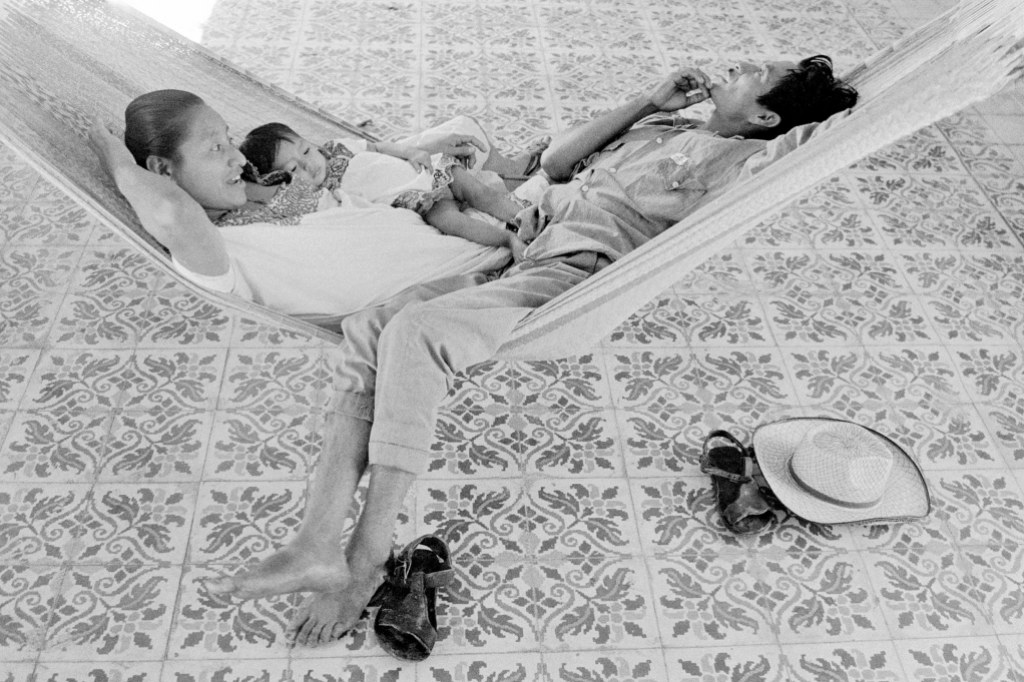
A few months after Iceland, I walked into a tavern in a village in Turkey. A group of men were sitting at tables. The setting, the lighting, was excellent. I asked if I could take their pictures. Most of them said no. I asked if anyone had an iPhone so I could AirDrop them images. None of them did. Thatf’s when the owner of the tavern asked if I was on WhatsApp.
I made his portrait, got his phone number, used WhatsApp, and when he displayed the photograph to the men in his tavern, they now agreed. We could make some photographs, collaborating on intimate portraits as they understood that these portraits were for them.
One more thing about the Maya. In the beginning, we had no common background to explain the documentary work I wanted to do. They’d never seen the “Day in a Life” photo essays that Life magazine had made famous. The idea of making a photographic recording of their lives didn’t make sense to them on several levels. Not only had they not seen anything like this among their family and friends, but they had also never seen Maya appear in movies, commercials, or advertisements.
When I first went around with my camera, they treated me as if I were the village idiot. Tolerated, indulged, and humored. But in many ways, being the village idiot was a great entrée into village life, as no one considered me a threat. So, they let me photograph them. This changed when I brought back photographs to give them. My friends became increasingly sophisticated in their critical appreciation of photography and began to understand what I was doing. They started to suggest photos. They would invite me to photograph not only ceremonies or special occasions, but also daily things. For my part, I learned that they were uncomfortable with silhouettes of themselves, or any photograph that made their skin color appear dark, so I gave them lighter prints.
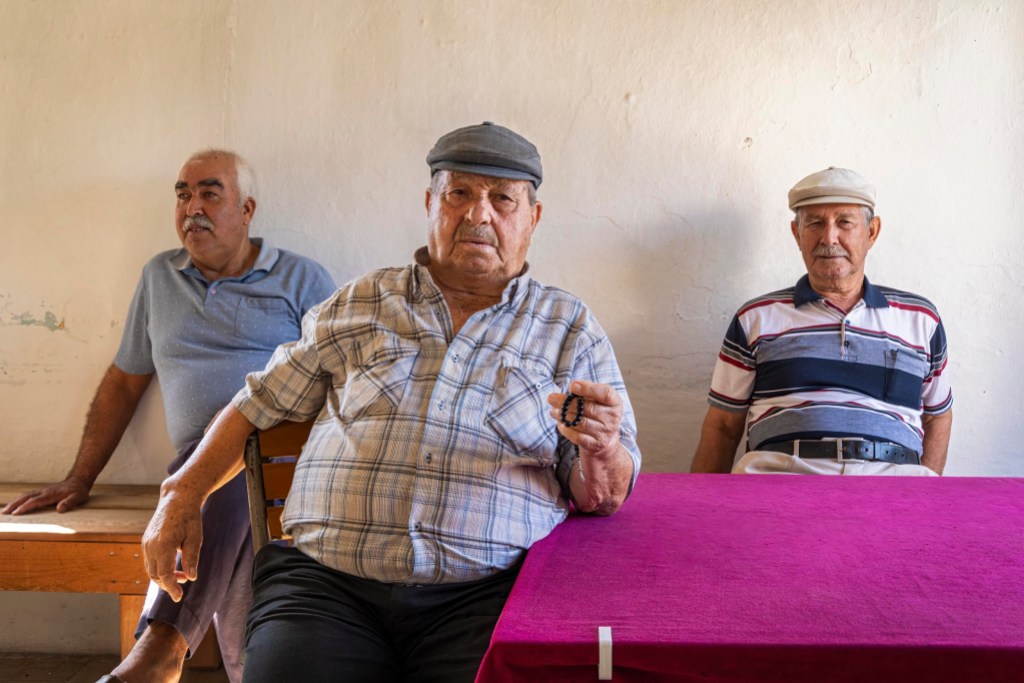
I first photographed Fernando Puc Che at his milpa, and later with his wife and daughter resting in a hammock. Several years later, his mother died and was buried. Four years later, according to local custom, his family dug up her bones, freeing the cemetery plot for another burial, a common enough practice in areas with very rocky soil. They placed her bones in a small white box for his father to keep in his house. That evening there was a rezo, a service and celebration in her remembrance accompanied by ritual drinking.
About 3 a.m., Fernando and I were finishing off a third bottle of rum. He’d been reluctant to let me photograph him years before. But as we drank in the jungle darkness outside his father’s house, he told me, “Macduff, you are one sumbitch.” He passed me the bottle, and I waited to hear what he would say.
“Today, we dug up my mother,” he continued, “and my children don’t even remember her. But because of you, because of the photographs you took of me, my children — and their children, and their children’s children — will know who I am, and what my life was like.” He reached for the rum, took a swallow, and raised the bottle in a toast. “You’ve made me immortal. People will remember me.”
Macduff Everton is a Santa Barbara–based photographer who works as a National Geographic Photo Expert. Find out more about his upcoming trips.
Related Posts


Premier Events
Sat, Oct 10
9:00 AM
Santa Barbara
Treble Clef Chorus Fall Treasure Sale
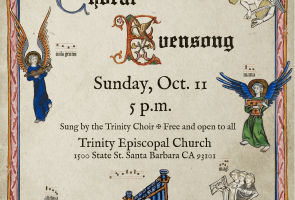
Sun, Oct 11
5:00 PM
Santa Barbara
Trinity Choir: Choral Evensong
Thu, Oct 08
7:00 PM
Santa Barbara
“A Night of Blues” with Morganfield Burnett

Fri, Oct 09
7:00 PM
Santa Barbara
Paseo Nuevo Spooky Movie Nights

Sat, Oct 10
9:00 AM
Santa Barbara
SBNC 1st Annual Health & Wellness Fair

Sat, Oct 10
1:30 PM
Goleta
🌴 Another Day in Paradise at S.B’s Premier Ice Rink

Sun, Oct 11
7:00 AM
Ojai
Flamenco Guitarist Tony Ybarra

Sun, Oct 11
10:00 AM
Santa Barbara
18th Annual Domestic Violence Solutions Brunch
Sun, Oct 11
10:00 AM
Santa Barbara
Free Community Day at S.B. Botanic Garden
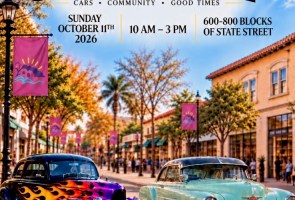
Sun, Oct 11
10:00 AM
Santa Barbara
Downtown Classic Car Show Santa Barbara
Sun, Oct 11
11:00 AM
Santa Barbara
Raíces y Sueños: Bilingual Storytime at Santa Barbara Museum of Art

Sun, Oct 11
2:00 PM
Santa Barbara
The Theatre Group at SBCC Presents: “CLUE”
Sat, Oct 10 9:00 AM
Santa Barbara
Treble Clef Chorus Fall Treasure Sale
Sun, Oct 11 5:00 PM
Santa Barbara
Trinity Choir: Choral Evensong
Thu, Oct 08 7:00 PM
Santa Barbara
“A Night of Blues” with Morganfield Burnett
Fri, Oct 09 7:00 PM
Santa Barbara
Paseo Nuevo Spooky Movie Nights
Sat, Oct 10 9:00 AM
Santa Barbara
SBNC 1st Annual Health & Wellness Fair
Sat, Oct 10 1:30 PM
Goleta
🌴 Another Day in Paradise at S.B’s Premier Ice Rink
Sun, Oct 11 7:00 AM
Ojai
Flamenco Guitarist Tony Ybarra
Sun, Oct 11 10:00 AM
Santa Barbara
18th Annual Domestic Violence Solutions Brunch
Sun, Oct 11 10:00 AM
Santa Barbara
Free Community Day at S.B. Botanic Garden
Sun, Oct 11 10:00 AM
Santa Barbara
Downtown Classic Car Show Santa Barbara
Sun, Oct 11 11:00 AM
Santa Barbara
Raíces y Sueños: Bilingual Storytime at Santa Barbara Museum of Art
Sun, Oct 11 2:00 PM
Santa Barbara


You must be logged in to post a comment.