
This article was underwritten in part by the Mickey Flacks Journalism Fund for Social Justice, a proud, innovative supporter of local news. To make a contribution go to sbcan.org/journalism_fund.
On March 12, Buellton’s City Council voted to move forward with a law that will require the motels on the city’s main thoroughfare, Avenue of Flags, to shift from serving as long-term housing back into motels. The vote follows months of Buellton waiting for state input.
“I feel like this is the city doing its due diligence into compliance, into code, to follow the rule of law, with as much compassion as possible,” Mayor David Silva said at last week’s meeting.
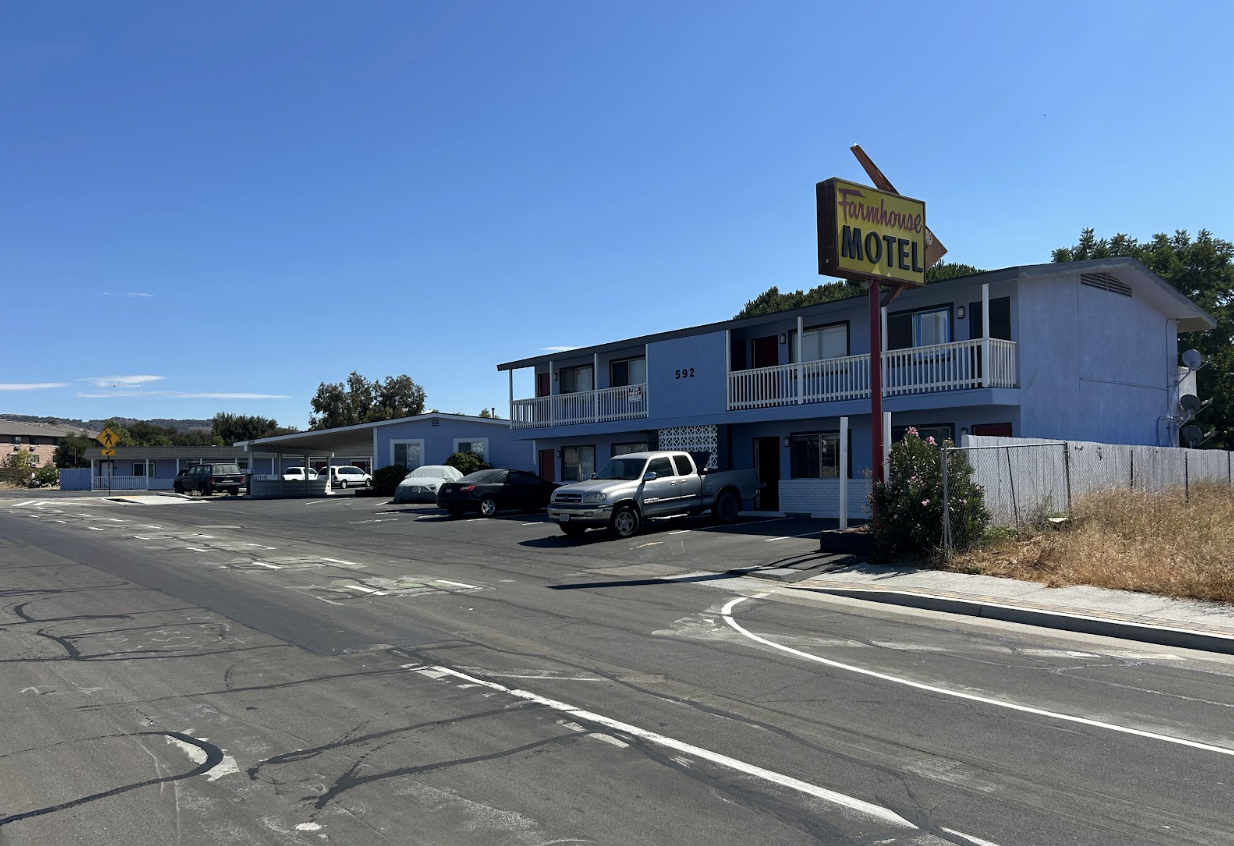
The ordinance primarily impacts one property, the Farmhouse Motel. The Farmhouse offers 22 rooms for monthly rent. Working families and several low-income people call the motel home. As early as 2003, the motel rented out rooms as studios, though the City of Buellton said it never formally converted into non-motel use.
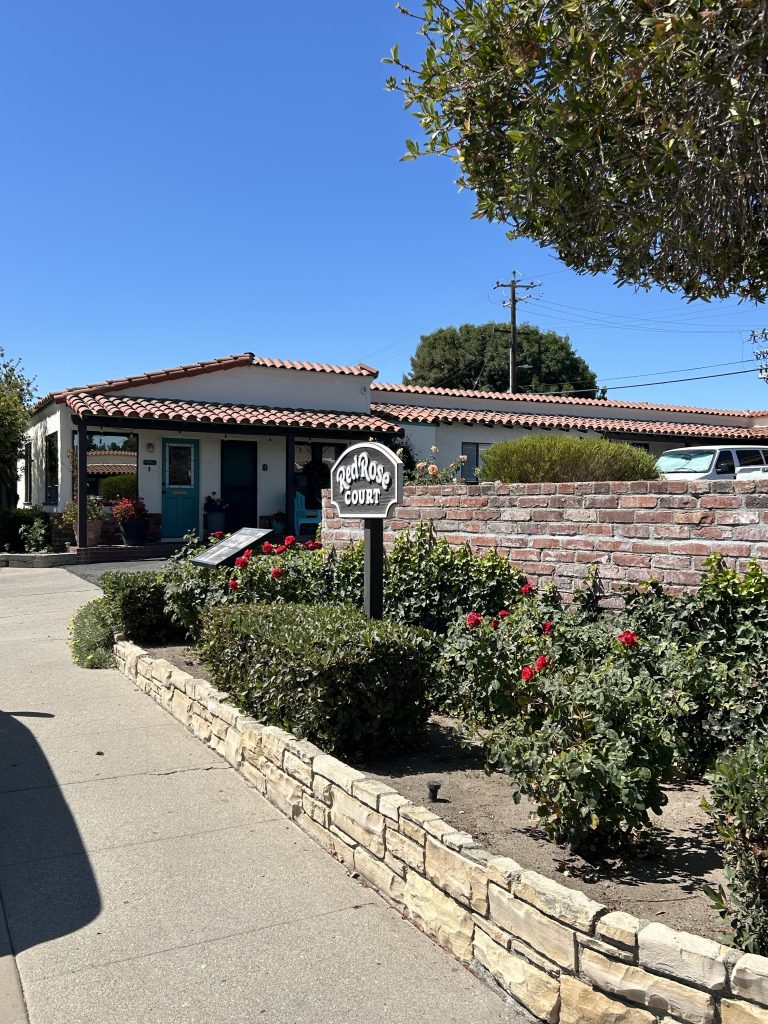
The ordinance’s impact on other motels is lesser in comparison: The San Marcos Motel rents two units to tenants, the motel 480 Avenue of Flags was slated for demolition as of 2020, and the Red Rose Court, which rents as studios, was exempt from the ordinance as a local historic landmark.
If it passes for its second reading on March 26, the ordinance will give the Farmhouse — and any occupied units at the San Marcos Motel or 480 Avenue of Flags — six months to convert into a place for short-term stays. Motel tenants who are on a waiting list for an affordable housing unit with Santa Barbara County’s Housing Authority will have an additional 18 months after that six-month period before needing to move.
The ordinance is part of a years-in-the-making plan to revitalize Buellton’s Avenue of Flags. Buellton aims to reinvigorate the avenue by adding public spaces and new developments in an art-deco style. A specific plan for the avenue, updated last year, makes note of motels operating as housing, and says that the city should evaluate the feasibility of an amnesty program, where some units could continue to house tenants in exchange for affordable housing covenants.
Three affordable housing complexes have opened, or are slated to open, in or near Buellton in recent years. That includes 48 apartments for families and veterans at Polo Village, 50 apartments for seniors at Village Senior Apartments, and 39 low income units at Buellton Garden Apartments, which will open this summer. Demand is high: As of last October, Polo Village was full.
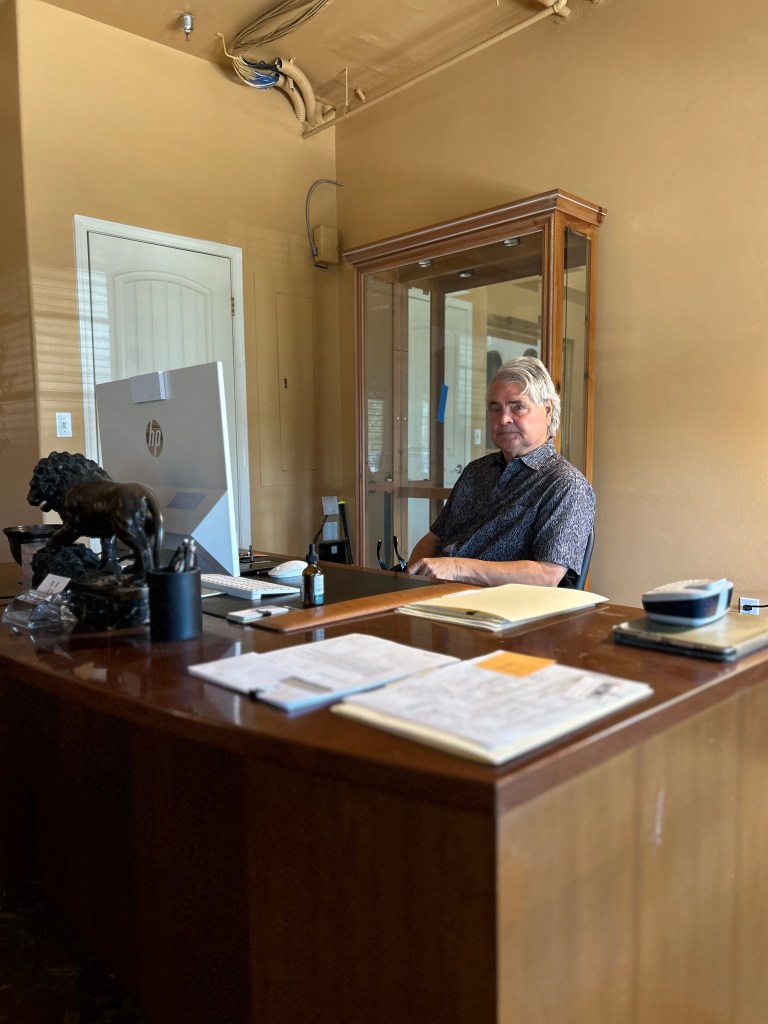
Farmhouse Motel manager Kerry Moriarty spoke during public comment at the March 12 meeting. He said the ordinance would not help reinvigorate the avenue and would displace people.
“I’m not here to try to change your mind,” Moriarty said. “It’s obvious the council favors this proposal. But I want you to think about the consequences.”
Moriarty said that the people living in his motel may not qualify for affordable housing units. Further, he said the ordinance didn’t motivate any other motels on the avenue to improve or change, and that it created ill will between him, as a developer, and the city.
“I strongly encourage the city to get more creative and more supportive in promoting redevelopment efforts. You need to make it more attractive for developers like myself, outside developers, to come in and redevelop and propose new projects on the avenue,” he said.
A motel resident spoke during public comment as well, pointing out that demand for affordable housing is high and that there is no guarantee that people having to move will be able to live in the newly opened affordable units near Buellton.
The City of Buellton first introduced this ordinance last summer, but did not ultimately vote on the new law until it received feedback from the state’s Department of Housing and Community Development. It then updated the ordinance per the state’s suggestions, extending the timeline wherein tenants on waiting lists can stay in the motels.
Councilmember John Sanchez pointed out that the motel had been illegally converted in the first place, and the timeline was generous.
Mayor Silva said that he had personally gone door-knocking in January to try to speak to residents and wanted to continue to ensure that people know what resources are available to them.
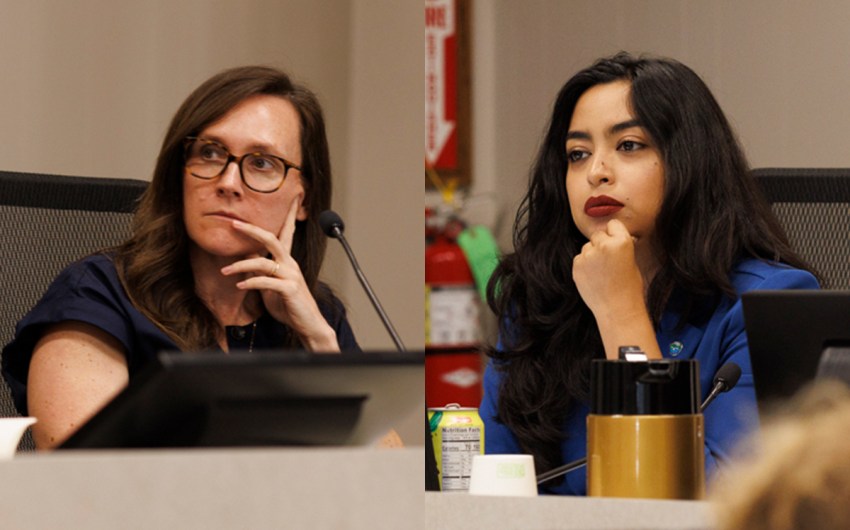
Councilmembers Elysia Lewis and Carla Mead both said that for them, the ordinance was less about revitalizing the avenue and more about getting people into housing that is meant for long-term living.
“The deciding factor for me is looking at short-term spaces that are designed for short-term use that are being used for long-term residencies that don’t meet the requirements for long-term residencies,” Lewis said. “[They] aren’t following the same regulations and safety standards and occupancy standards for long-term residencies.”
Buellton’s city council will vote on the ordinance as part of its consent calendar next week. Farmhouse Motel owner Moriarty suggested that he will pursue a lawsuit against the city over the ordinance.
Related Posts




Premier Events
Sat, Oct 10
9:00 AM
Santa Barbara
Treble Clef Chorus Fall Treasure Sale

Sun, Oct 11
5:00 PM
Santa Barbara
Trinity Choir: Choral Evensong

Wed, Oct 07
7:30 PM
Santa Barbara
Ensemble Theatre Company Presents: “Buyer & Cellar”

Wed, Oct 07
7:30 PM
Santa Barbara
The Theatre Group at SBCC Presents: “CLUE”

Thu, Oct 08
7:00 PM
Santa Barbara
“A Night of Blues” with Morganfield Burnett

Fri, Oct 09
7:00 PM
Santa Barbara
Paseo Nuevo Spooky Movie Nights

Sat, Oct 10
9:00 AM
Santa Barbara
SBNC 1st Annual Health & Wellness Fair

Sat, Oct 10
1:30 PM
Goleta
🌴 Another Day in Paradise at S.B’s Premier Ice Rink

Sun, Oct 11
7:00 AM
Ojai
Flamenco Guitarist Tony Ybarra

Sun, Oct 11
10:00 AM
Santa Barbara
18th Annual Domestic Violence Solutions Brunch

Sun, Oct 11
10:00 AM
Santa Barbara
Free Community Day at S.B. Botanic Garden

Sun, Oct 11
10:00 AM
Santa Barbara
Downtown Classic Car Show Santa Barbara
Sat, Oct 10 9:00 AM
Santa Barbara
Treble Clef Chorus Fall Treasure Sale
Sun, Oct 11 5:00 PM
Santa Barbara
Trinity Choir: Choral Evensong
Wed, Oct 07 7:30 PM
Santa Barbara
Ensemble Theatre Company Presents: “Buyer & Cellar”
Wed, Oct 07 7:30 PM
Santa Barbara
The Theatre Group at SBCC Presents: “CLUE”
Thu, Oct 08 7:00 PM
Santa Barbara
“A Night of Blues” with Morganfield Burnett
Fri, Oct 09 7:00 PM
Santa Barbara
Paseo Nuevo Spooky Movie Nights
Sat, Oct 10 9:00 AM
Santa Barbara
SBNC 1st Annual Health & Wellness Fair
Sat, Oct 10 1:30 PM
Goleta
🌴 Another Day in Paradise at S.B’s Premier Ice Rink
Sun, Oct 11 7:00 AM
Ojai
Flamenco Guitarist Tony Ybarra
Sun, Oct 11 10:00 AM
Santa Barbara
18th Annual Domestic Violence Solutions Brunch
Sun, Oct 11 10:00 AM
Santa Barbara
Free Community Day at S.B. Botanic Garden
Sun, Oct 11 10:00 AM
Santa Barbara


You must be logged in to post a comment.