

Sign up to get Matt Kettmann’s Full Belly Files, which serves up multiple courses of food & drink coverage every Friday, going off-menu from our regularly published content to deliver tasty nuggets of restaurant, recipe, and refreshment wisdom to your inbox
To be completely honest, I’m getting a little tired of typing the word “regenerative,” and I imagine some of your eyes glaze over when you see it in nearly every article you read about food, wine, and farming these days.
I’ve already written about it a number of times in 2026 (including for this newsletter here), and my Earth Day–aligned cover story for this week’s Santa Barbara Independent is titled “Jumping Into Regenerative Wine: Santa Barbara County Vintners Join Global Effort to Fix Farming.” (Fun fact: I was in the barn hustling the sheep out of the barn for the epic leaping lamb cover shot by Macduff Everton.)
But I’m fighting through my personal discomfort over the word’s somewhat annoying ubiquity, and you should too.
It’s simply strong evidence of the fast rise and growing force of this agricultural movement, which offers multiple strategies to farm in tune with rather than against nature. I’ve been covering wine, food, farming, land use, the environment, and many other topics over the past two-plus decades, and I’ve never seen an idea take off like this. I’m not the only one.
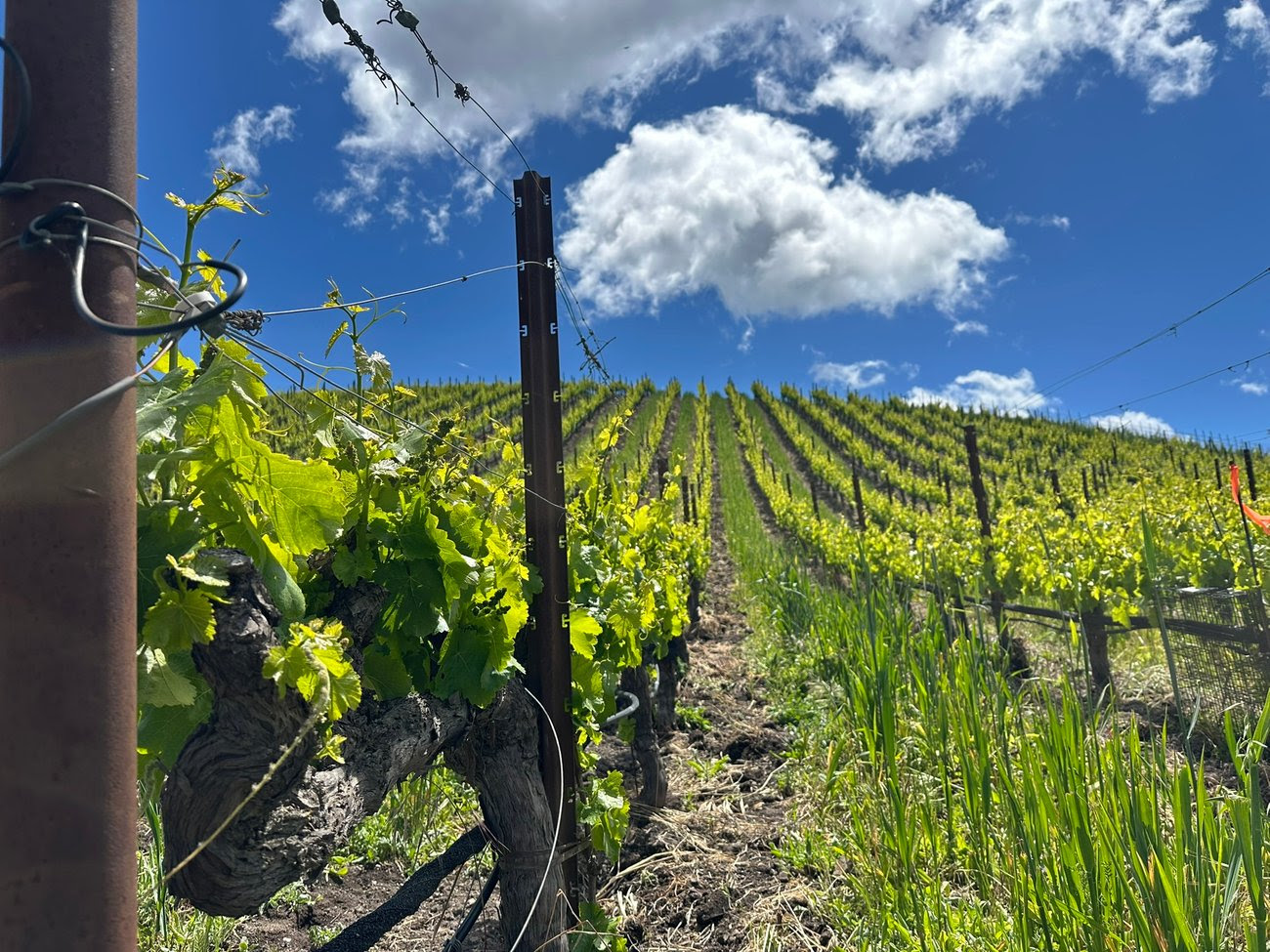
This week, I was in Paso Robles with a bunch of other writers on a tour of that region’s regeneratively farmed vineyards, of which six are now officially Regenerative Organic Certified. That makes Paso a true global leader in regenerative viticulture, and a perfect setting to experience first-hand what it’s all about, from watching drones drop beneficial insects and sheep graze under elevated trellis systems to pulling daikon out of the cover crops and tasting regen versus conventionally farmed wines side-by-side.
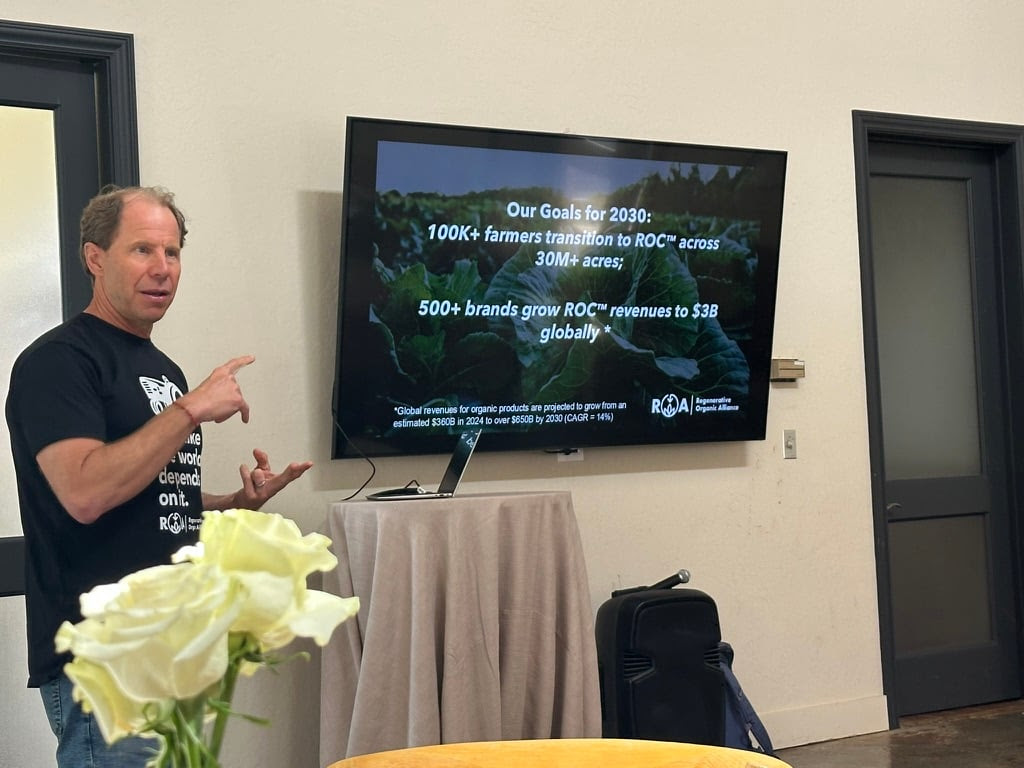
The gathering began with a talk by Christopher Gergen, the CEO of the Regenerative Organic Alliance, which is the nonprofit that certifies which ranches, brands, and products are indeed farmed to regenerative and organic standards. Having previously run food distribution, urban-rural renewal, and co-working/warehousing organizations, Gergen is quite new to farming. But he’s an expert in scaling up, and he’s shocked at how quickly regenerative is taking hold in the marketplace.
Explaining that the number of Regenerative Organic Certified (or ROC, which everyone just calls “rock”) brands are nearly doubling year over year, Gergen said, “That level of growth is something I’ve never seen.” There will be nearly 400 brands making more than 3,000 commercial products by this summer, and that’s coming from more than 21 million certified acres worldwide across nearly 500 properties growing more than 500 different crops.
But that trendiness also opens the doors to fakers. “There’s a lot of risk of greenwashing at this stage of the game,” said Gergen.
That goes for wholesale stretching of the truth in the case of large companies like Nestle, but there’s also a lot of what Gergen calls “romance copy” going on. That’s where farmers profess to adhere to regen practices — often entirely honestly — but then don’t get certified, typically citing concerns over costs, the hassle of paperwork, and so forth.
I hear this all the time — I’d say most of the time at this point — in wine regions across California and beyond. The entire Paso visit made a compelling case for the value of this third-party evaluation and validation to ensure that farmers are doing it correctly. If you’re gonna talk the talk, they’re arguing, it’s time to walk the walk.
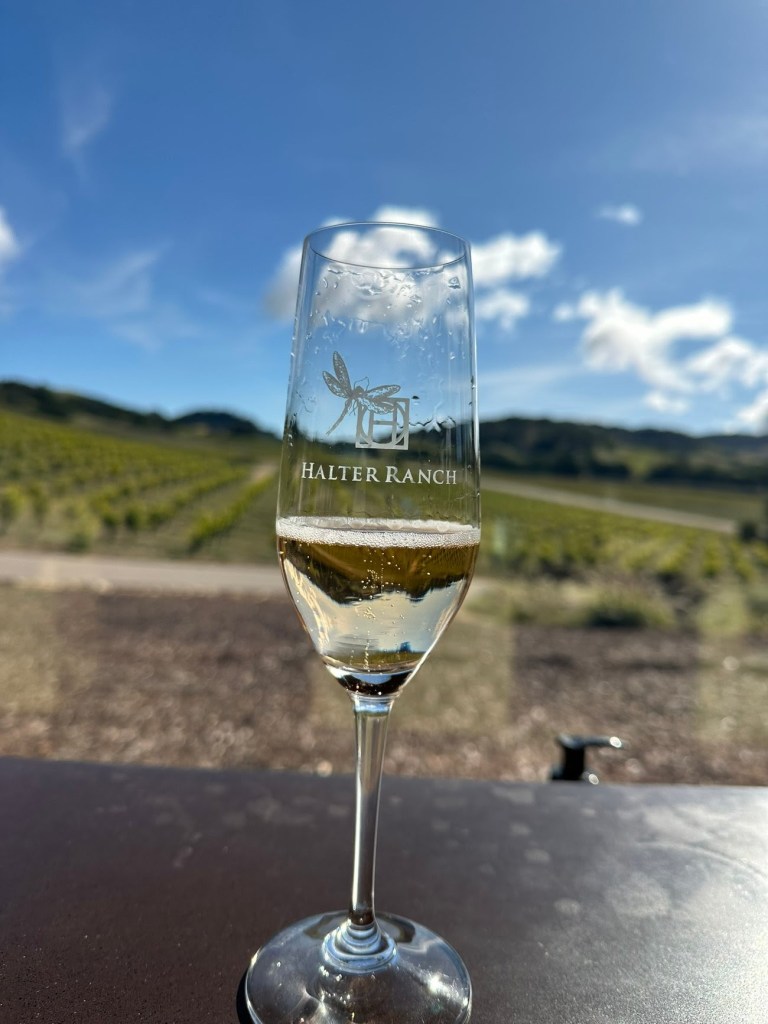
During a tasting at Halter Ranch — which was certified organic in 2023 (by California Certified Organic Farmers, or CCOF), regenerative in 2024, and pesticide free in 2026 (by The Detox Project) — winemaker Kevin Sass explained that, unless you get audited, claims of being sustainable don’t really matter. “You can say whatever you want and no one will say anything,” said Sass.


From left: A drone releases lacewing larvae at Booker VIneyard; Hilary Graves at Booker Vineyard
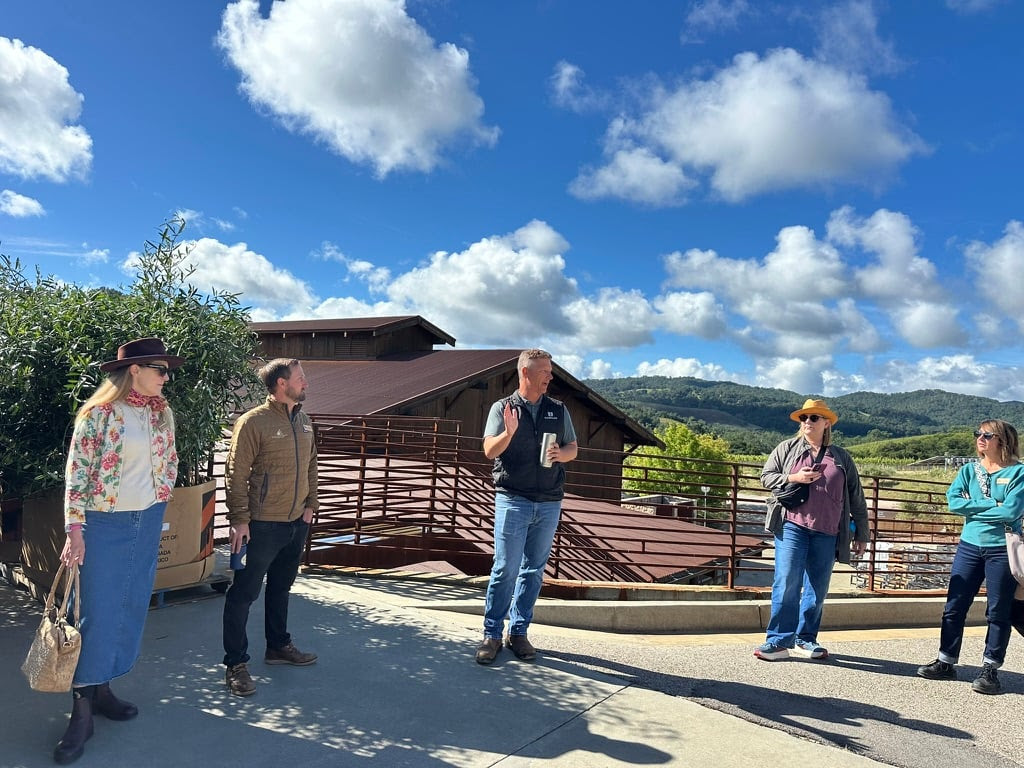
Similar sentiments were shared at Booker Vineyard by veteran viticulturist Hilary Graves, who once hated the idea of certifications but now is all-in. She’s finding that regenerative techniques, like releasing lacewing larvae from drones to fight mealybugs, are actually cheaper than the pesticides they once used. And it’s returning a sense of soul to the vineyard.
“It’s really more of a mindset,” said Graves, after watching a bald eagle soar overhead. “It’s bringing creativity back to my work. It’s brought a renewed sense of wonder.”
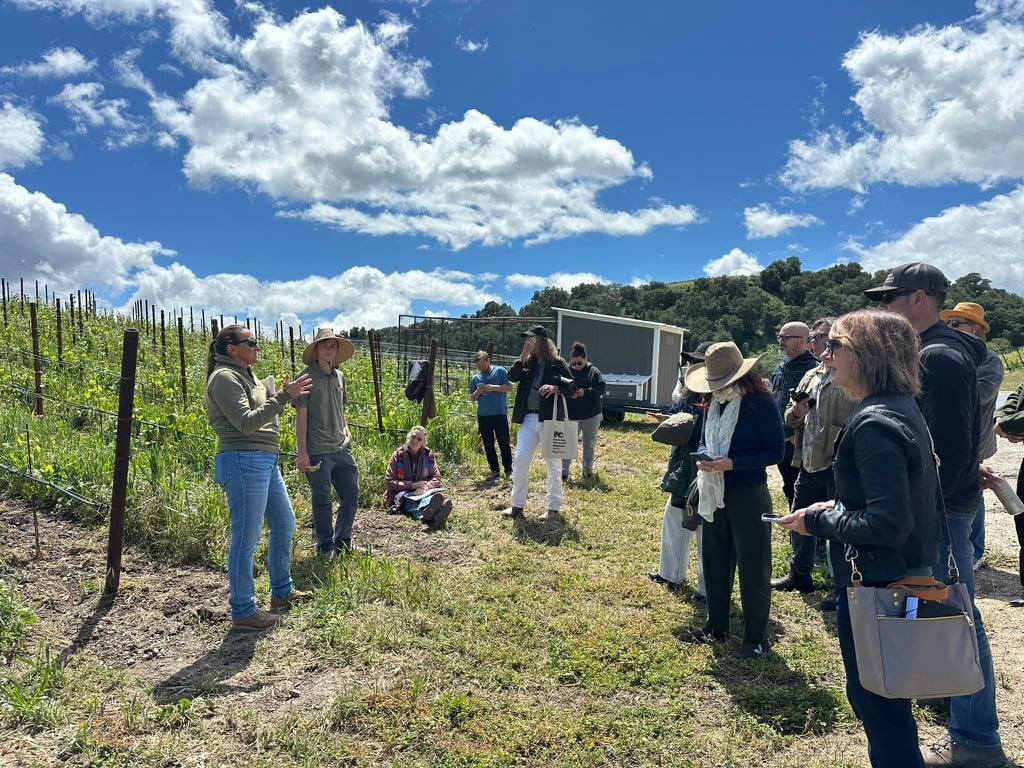
Our trip also included a side-by-side tasting of Robert Hall Winery’s regenerative wines (fresher, more complex) against their conventionally farmed blocks (much jammier). Winemaker Amanda Gorter explained that the results were so impressive that they’ve converted the entire ranch — except for that conventional study block — over to ROC. While tasting the two brand new bottles of Robert Hall’s ROC sauvignon blanc and cabernet sauvignon that are going on Whole Foods shelves any day now, we also got to hold some impressive birds of prey, which is one way to turn a bunch of oft-jaded journalists into a room of smiling schoolchildren.
Dinner that evening was prepared by Elaine Rivera-Glenn, the chef-owner of Cambria’s hot spot Brydge, and she paired dessert with a great story about how she came to this region from Arkansas. It was also nice to reconnect with Amy Baer, cofounder of Epicurean S.B. She’s now running her own Paso restaurant called Gravesend Wine Merchant & Eatery, and prepared us a couscous and kofta lunch at Booker.


Left: Robert Hall’s brand new ROC sauvignon blanc, coming to Whole Food shelves near you. Right: Tablas Creek was the first Regenerative Organic Certified vineyard in the country.
I had to leave early, so I missed the dinner cooked by Villa Creek founder Cris Cherry at MAHA Estate as well as the last day, which included lunch at Le Cuvier — Paso’s newest ROC vineyard — and a demo day at Tablas Creek, which helped develop the ROC standards as it became the country’s first certified vineyard in 2021. I’m sure I’ll be back for more soon enough.
Right before I hit the road, Booker founder Eric Jensen came out of the winery to greet the crowd. In just a few short words, he basically summed up a lot of what is making regenerative so popular in today’s health-conscious marketplace. “If it doesn’t go in our body,” he said of farming without poisons, “it’s not going in yours.”
Regen Things to Do
If you want to learn more about the regenerative farming movement or experience what it tastes like, there are two events coming up to put on your calendar. One is all about education, and the other is a fancy dinner that will examine how wine can be part of a healthy lifestyle.
Mindset Regeneration & Resilience Symposium: June 8-10: This three-day symposium at Cambria Vineyard in Santa Maria from June 8 to 10 is bringing together leading voices in regenerative agriculture from across California and beyond to push the movement forward across the Central Coast. Though aimed at wine industry professionals, Mindset is open to anyone who’s interested in hearing informative and inspirational conversations about this increasingly popular style of farming.
Included among the 25 speakers are John Kempf of Advancing Eco Agriculture, Kelly Mulville of Paicines Ranch, Mimi Casteel of Hope Well Wine, author Obi Kaufmann of The California Field Atlas, and Mindset founder Anna Brittain, who formerly ran Napa Green. Tickets for the event are $349 if purchased before May 1 and $399 onward, which includes all classes, workshops, and a final wine tasting afternoon.
For more details and tickets, see agmindset.com.
Bobby Stuckey on Wine & Health at Rincon Hill Farm: May 15: Part of the Santa Barbara Culinary Experience, this dinner with Julia Child Award–winning restaurateur Bobby Stuckey and his restaurant group’s wine director Carlin Karr will be held at Rincon Hill Farm in Carpinteria, where regen farming techniques are dramatically changing the landscape in beautiful ways.
Stuckey, Karr, and myself will be talking about how living a healthy lifestyle can be compatible with continuing to enjoy wine. We’ll start with a tour of the farm and then enjoy a guided tastings alongside small bites from the farm. The event is on Friday, May 15, from 5 to 8 p.m. Tickets are $295.
Reserve your space and get more details here.
40 Years of Indy @ Faulkner Gallery
If you haven’t gone to see the exhibit at the Faulkner Gallery celebrating 40 years of Santa Barbara Independent covers, I’d highly suggest checking it out. I’m biased, of course, having written most of the exhibits’ captions (and the accompanying cover story), but I believe it provides a real sense of history and reminds everyone how critical local journalism is for a town like ours.
I’ll be hosting a couple of panels on the early evening of April 30 as well, including one with our designers and one with our photographers from over the years. So maybe that’s the right time to come check it out! Learn more and RSVP to the free event here.
From Our Table
Here are some stories you may have missed:
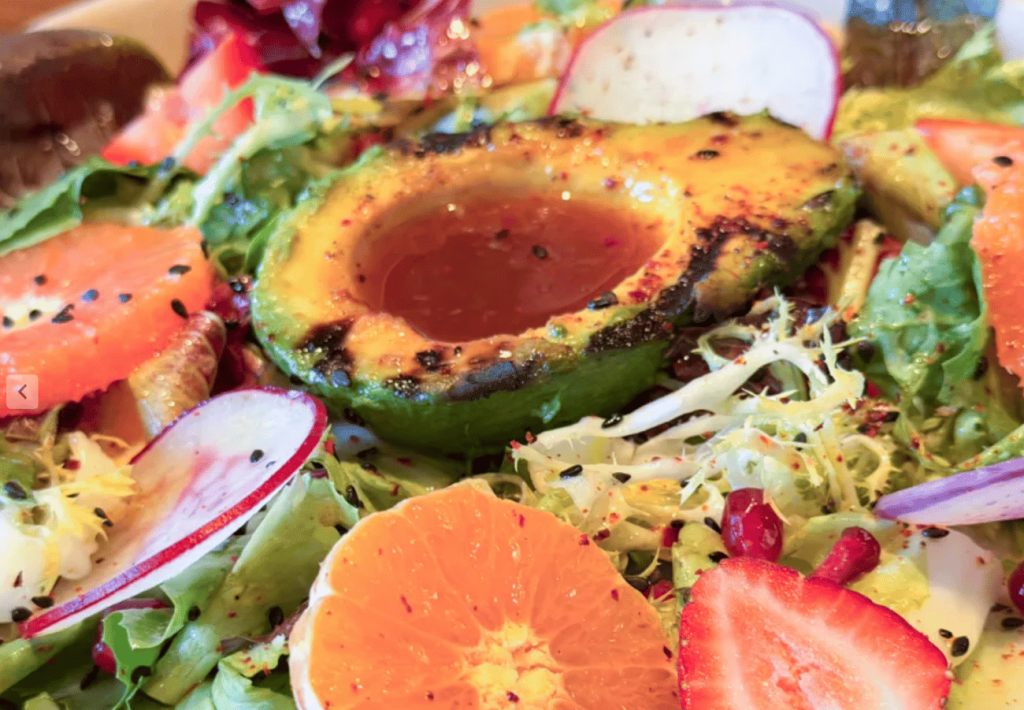
- Fifteen establishments are participating in Santa Barbara Restaurant Week until May 3. I sent out three writers to go try sample menus at Convivo, Lulio, and Tre Lune, and they wrote up this mouth-watering report.
- Yetz Bagels closed in Isla Vista but have been reborn in Goleta. Read Madeline Slogoff’s report here.
- Tiana Molony previewed the LIVE Art tour in downtown Santa Barbara on April 30.
Related Posts





Premier Events
Wed, Oct 14
5:30 PM
Santa Barbara
Free Home Hardening & Firescaping Workshop
Fri, Oct 16
7:00 PM
Santa Barbara
Divine Within: A Sufi Exploration of Love & Unity
Sat, Oct 17
9:30 AM
Santa Barbara
Divine Within: A Sufi Exploration of Love & Unity
Sun, Oct 18
9:30 AM
Santa Barbara
Divine Within: A Sufi Exploration of Love & Unity
Fri, Oct 23
2:00 PM
Santa Barbara
Music & Meditation: Clarinetist Nancy Mathison & Pianist Antonio Artese
Fri, Nov 13
7:00 PM
Santa Barbara
Divine Within: A Sufi Exploration of Love & Unity
Sat, Nov 14
9:30 AM
Santa Barbara
Divine Within: A Sufi Exploration of Love & Unity
Sun, Nov 15
9:30 AM
Santa Barbara
Divine Within: A Sufi Exploration of Love & Unity
Fri, Dec 11
7:00 PM
Santa Barbara
Divine Within: A Sufi Exploration of Love & Unity
Sat, Dec 12
9:30 AM
Santa Barbara
Divine Within: A Sufi Exploration of Love & Unity
Wed, Oct 14 5:30 PM
Santa Barbara
Free Home Hardening & Firescaping Workshop
Fri, Oct 16 7:00 PM
Santa Barbara
Divine Within: A Sufi Exploration of Love & Unity
Sat, Oct 17 9:30 AM
Santa Barbara
Divine Within: A Sufi Exploration of Love & Unity
Sun, Oct 18 9:30 AM
Santa Barbara
Divine Within: A Sufi Exploration of Love & Unity
Fri, Oct 23 2:00 PM
Santa Barbara
Music & Meditation: Clarinetist Nancy Mathison & Pianist Antonio Artese
Fri, Nov 13 7:00 PM
Santa Barbara
Divine Within: A Sufi Exploration of Love & Unity
Sat, Nov 14 9:30 AM
Santa Barbara
Divine Within: A Sufi Exploration of Love & Unity
Sun, Nov 15 9:30 AM
Santa Barbara
Divine Within: A Sufi Exploration of Love & Unity
Fri, Dec 11 7:00 PM
Santa Barbara
Divine Within: A Sufi Exploration of Love & Unity
Sat, Dec 12 9:30 AM
Santa Barbara



You must be logged in to post a comment.