

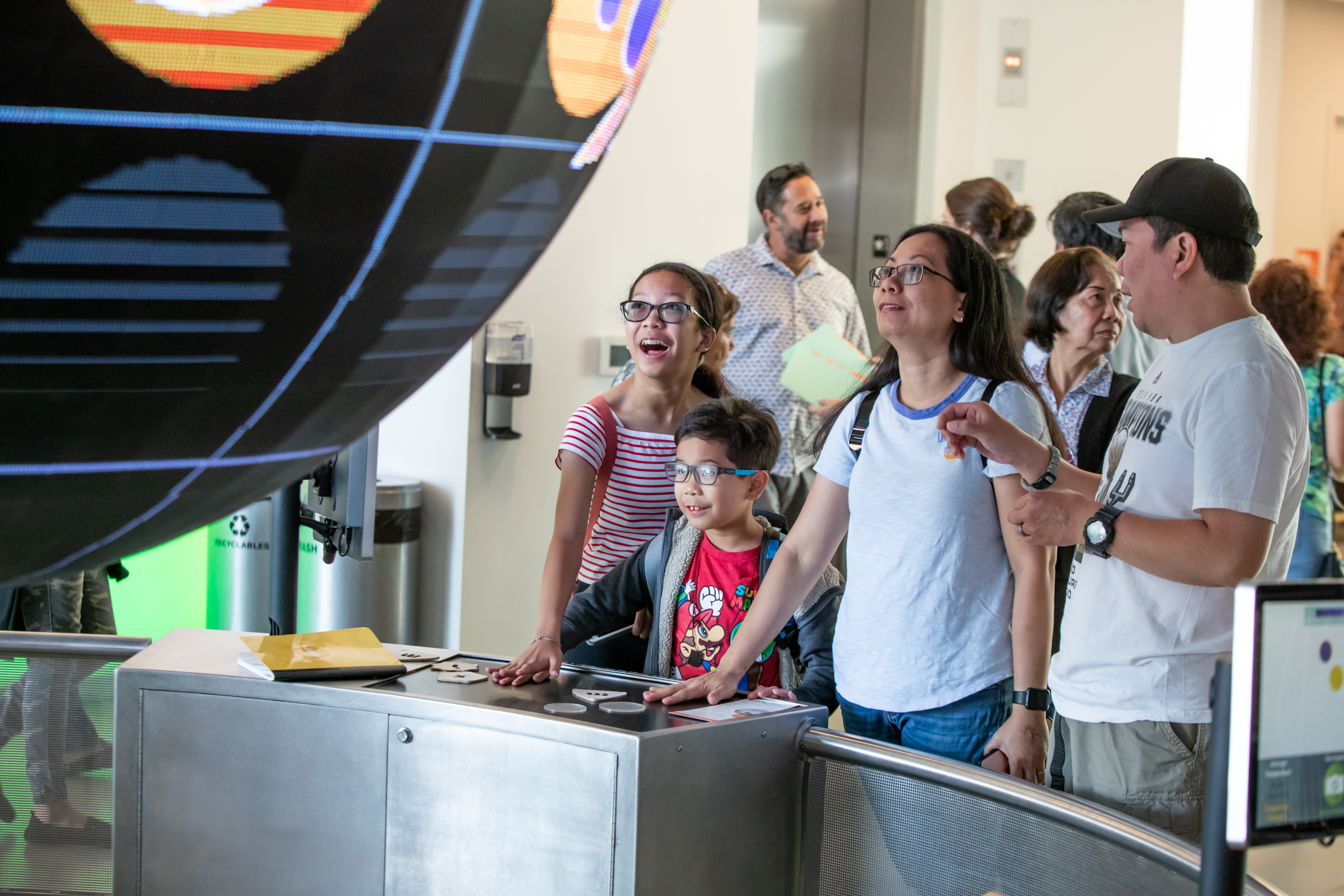
At their core, museums are places where people encounter shared humanity. A child marvels at a fossil older than civilization. Families experience art together across generations. Visitors learn how our native plants endure drought. They discover the remarkable travels of a favorite migratory bird. They reflect on the 1969 oil spill and remember how it changed everything. Moments like these remind us that we belong to something larger: to history, to nature, and to each other.
With International Museum Day on the horizon, May 18, we encourage the contemplation of why museums matter. Every community needs places where people can pause, reflect, and reconnect with something deeper and more enduring. Museums serve this role every day.
We often describe museums as spaces of inspiration, education, and enrichment, and rightly so. They ignite curiosity, invite discovery, and preserve knowledge. Yet their value extends beyond learning outcomes or visitor numbers. Museums strengthen the fabric of community life in ways that are both deeply human and measurable.
MUSEUMS INCREASE WELL-BEING: Research shows that cultural institutions contribute to emotional well-being and increased social connections. Studies from the World Health Organization and the National Endowment for the Arts link engagement with arts and culture to reduced stress, increased empathy, and stronger social cohesion. Even brief museum visits encourage reflection and support psychological resilience. Beyond the emotional, frequent museum visitation is also linked to slower rates of cognitive decline, lower risk of dementia, slower progression of frailty while aging, and even a longer life.
A PROVEN COMMUNITY ASSET: The benefits of museums extend into measurable community outcomes. Research from the American Alliance of Museums highlights museums’ role in supporting tourism, small businesses, workforce development, and civic participation.
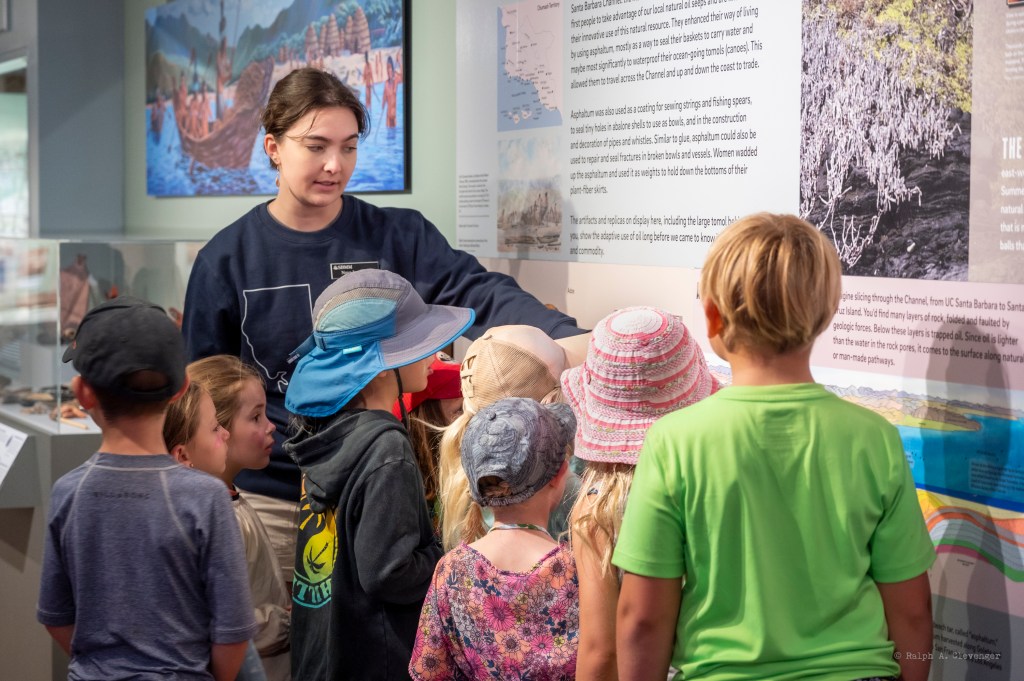
Educational museums complement traditional classrooms through hands-on, inquiry-based learning that enhances critical thinking. Science and natural history institutions foster nature appreciation, scientific inquiry, and environmental stewardship. Art museums cultivate creativity and visual literacy. Children’s museums encourage exploration through play, while botanical gardens deepen connections to regional identity and the natural world. Together, these institutions form a network of cultural infrastructure that sustains community vitality.
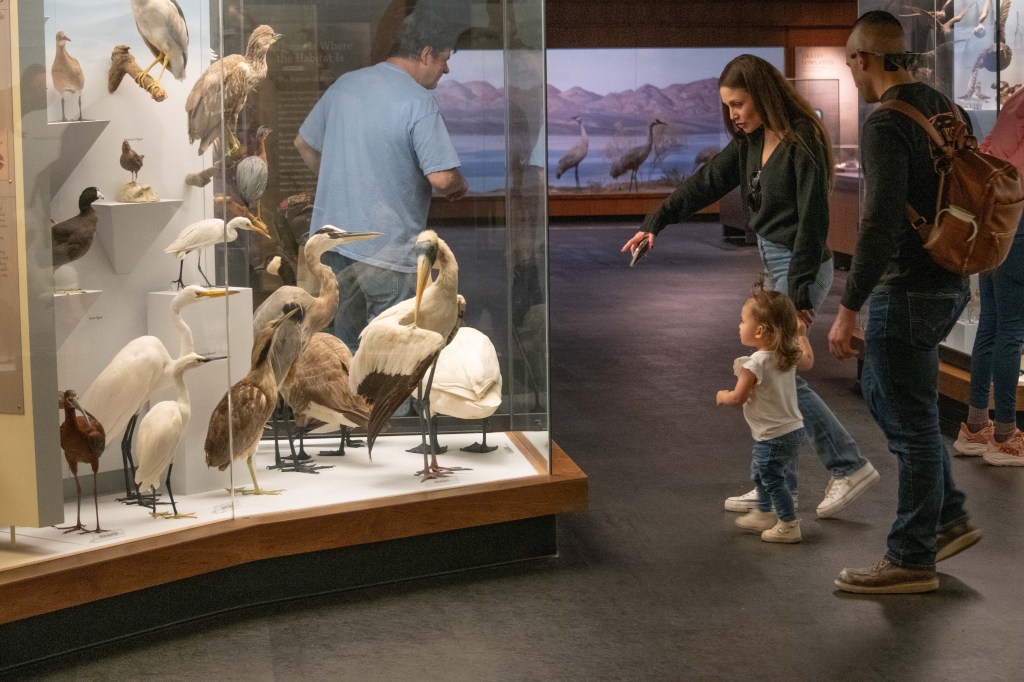
SPACES FOR WONDER: Perhaps most importantly, museums create opportunities for wonder. In an age of constant noise, they provide moments of quiet attention and discovery. Museums invite people to slow down, look carefully, and engage with the world through their senses.
Encountering the real thing matters. Standing before an actual Van Gogh, hearing the call of a bird, handling a specimen, or interacting with a hands-on exhibit creates a kind of learning that cannot be replicated on a screen or in a textbook. These experiences activate sight, sound, touch, and movement, making knowledge tangible and memorable. Unlike classroom learning, which often privileges information over experience, museums allow learning to unfold through curiosity and personal connection.
Wonder fuels curiosity, creativity, and hope. When people pause before art, engage with science, or experience nature, they reconnect with essential aspects of being human: curiosity, imagination, and growth. These experiences strengthen communities by encouraging connections across generations and perspectives.
An Invitation
Museums belong to everyone. They are living spaces shaped by those who enter them. They inspire discovery, foster connection, and help us better understand ourselves and one another. That is why museums matter, not only as cultural institutions, but as enduring anchors of curiosity, learning, and shared humanity within our communities. We invite you to contribute to the flourishing of museums by visiting regularly, becoming members and donors, and no matter what: Never stop learning.
Thank you for supporting Santa Barbara museums.
The authors chair the boards of their respective museums: Matt Adams, Santa Barbara Museum of Natural History and Sea Center; Kelly Bret Almeroth, MOXI, The Wolf Museum of Exploration + Innovation; George Leis, S.B. Historical Museum; Michael Linn, S.B. Museum of Art; Alex Weinstein, MD, S.B. Maritime Museum.




You must be logged in to post a comment.