We often think of productivity as a function of discipline, tools, or time management. Calendars get optimized. Workflows get refined. To-do lists get made, and you’re (hopefully) ending your day with order so you can begin the next one with clarity. But there’s a quieter variable shaping our output every day that many people overlook: what, when, and how we eat.
And while I’m certainly not a registered dietitian, I do have an undergraduate degree in nutrition science — which means my college years were filled with biochemistry, metabolism, and enough conversations about fiber to last a lifetime. So, while productivity became my career, food and its impact on the body has always fascinated me.
And no, I’m not talking about “eating your frog” (if you’ve followed me for a while, you know that’s your hardest task tackled first thing in the morning). I’m talking about actual food: the thing that fuels us, nourishes us, gives us energy, and can make us feel either sharp and capable or completely sluggish. Food is not background noise to the workday. It directly affects the brain state we carry into everything we do.
Start with energy. Not the frantic, caffeine-fueled kind, but the steady, reliable kind that lets you think clearly at 10 a.m. and still make good decisions at 3 p.m. without feeling depleted. Blood sugar plays a central role here. Meals heavy in refined carbs or sugar often create a predictable cycle: alertness followed by a crash. In contrast, balanced meals with protein, fiber, and healthy fats help stabilize energy. It’s the difference between sprinting and sustaining, and most meaningful work requires the latter.
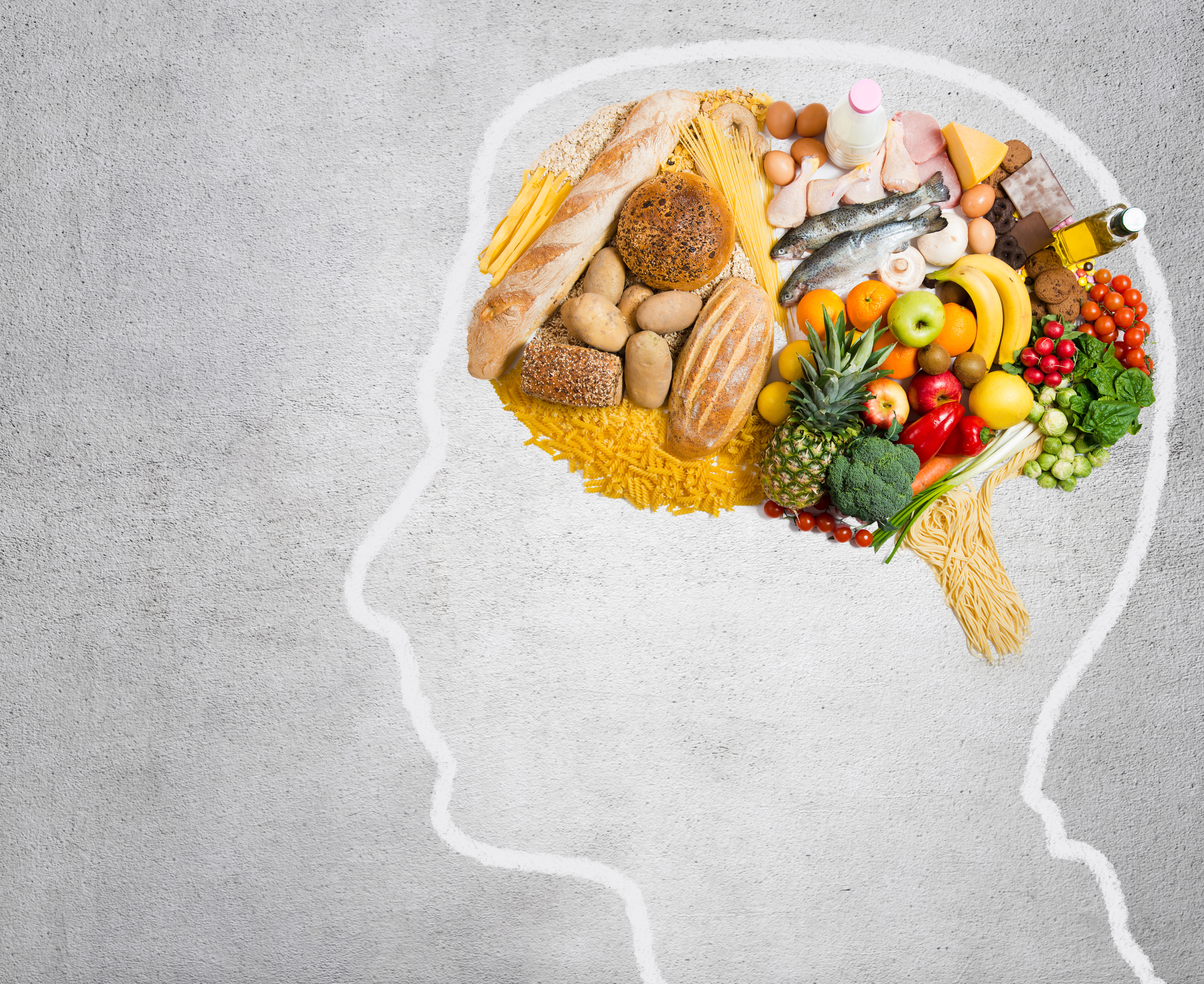
Closely tied to energy is cognitive performance. The brain is metabolically expensive. It requires a consistent supply of nutrients to maintain attention, memory, and focus. Skipping meals or relying on low-quality food doesn’t just affect the body — it shows up in how easily you get distracted, how often you reread the same sentence, and how patient you are in difficult conversations. Nutrient-dense foods such as lean proteins, fruits, vegetables, whole grains, and omega-3 fats support mental clarity in ways productivity hacks simply cannot replicate.
Then there’s timing. When you eat matters almost as much as what you eat. The body operates on rhythms, and aligning meals with those rhythms can reduce friction throughout the day. Eating earlier and maintaining regular meal timing often supports more consistent energy and helps prevent the extreme hunger that leads to impulsive food choices. A predictable rhythm of eating becomes a quiet anchor for a more predictable rhythm of work.
Last month’s column touched on “rest and digest” and how eating too close to bedtime can disrupt sleep cycles, leaving us with brain fog the next day. If you missed it, go back and read “The Ultimate Hidden Productivity Hack — and It’s in Your House Right Now!” because sleep and nutrition are deeply connected.
Hydration deserves mention too because it’s often dismissed for being too simple. But even mild dehydration can impair concentration, increase fatigue, and make tasks feel harder than they are. That mid-afternoon fog isn’t always your workload; sometimes it’s simply water.
Finally, there’s the connection between food, mood, and stress. Blood sugar crashes can mimic anxiety. Excess caffeine can heighten stress responses. Balanced meals, on the other hand, can support a calmer emotional baseline. And that matters because productivity isn’t just about getting tasks done — it’s about having the motivation to start and the resilience to continue.
Taken together, food influences your energy, cognitive capacity, daily rhythm, hydration, and emotional state. In other words, it shapes the conditions under which productivity either thrives or struggles.
This isn’t about perfection or rigid rules. It’s about awareness. Noticing how different foods affect your focus. Experimenting with meal timing. Paying attention to hydration. Treating meals not as interruptions to work, but as inputs into it.
One practical way to support this is through simple meal planning. Nothing overly strict — just a loose idea of what you’ll eat and when. It reduces decision fatigue, helps prevent poor choices when hunger hits, and can even help manage your grocery budget because you buy with intention.
The goal of this month’s column is to shift the question from “What can I get done today?” to “What am I bringing into my day that will help me do it well?” Because productivity isn’t just managed through planners and priorities. It’s built, bite by bite.
Sara Caputo transforms how individuals, teams, and small businesses navigate workflow and increase workplace efficiency. Her work has been featured in Working Women, Success, and Forbes, as well as other national and regional publications. She can be reached at sara@saracaputoconsulting.com.