

When Kim Cantin heard about the floods that decimated the Texas Hill Country over the Fourth of July weekend, it was “just so déjà vu,” she said.
A survivor of the 2018 debris flows in Montecito, Cantin is all too familiar with tales of trauma and grief. Just recently, she and her daughter Lauren shared their story on NBC’s new series Survival Mode, which delves into true accounts of catastrophic disasters as told by the people who lived through them.
In the Cantins’ episode, they recount the harrowing experience that changed their lives and the entire city of Montecito forever.
“We speak honestly about the loss of my beloved husband, Dave; and our sweet son, Jack; and Lauren’s incredible survival and rescue after being buried under the debris,” Cantin said of the episode. “We hope that by sharing our journey — one of grief, love, and healing — we can offer strength and hope to others facing their own darkest moments.”
Their episode aired on August 4, one month after a similar tragedy unfolded in Texas. Between Cantin’s story and the tragic accounts coming out of Texas, there are “such strong parallels,” she told the Independent.
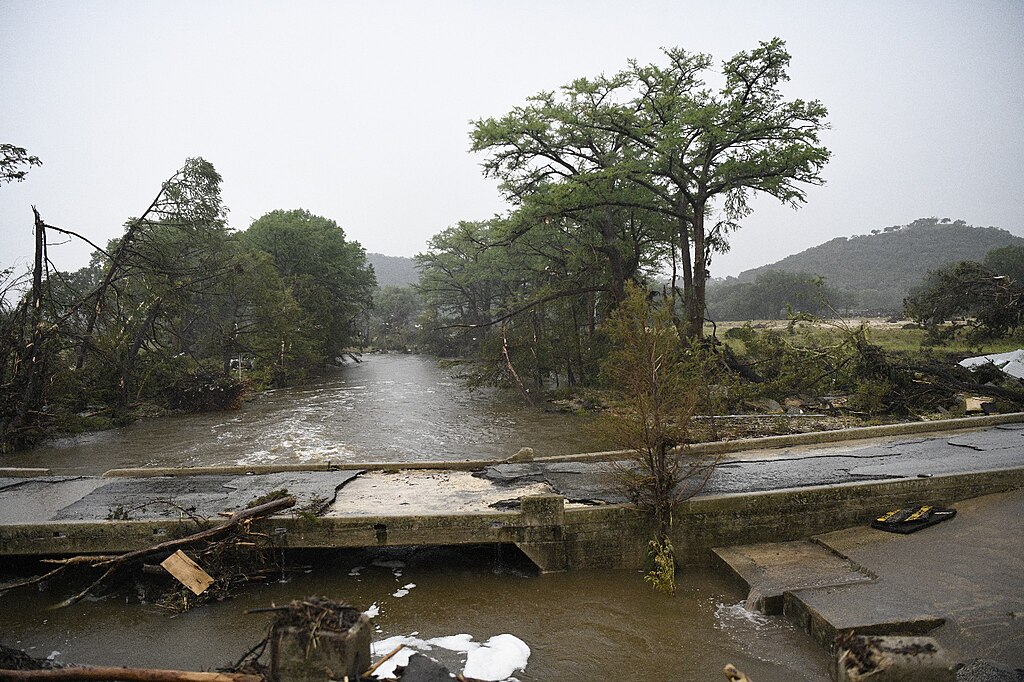
On July 4, flood waters in the Guadalupe River rose quickly, reaching lethal levels in a matter of hours and gushing down the riverbank at mach-10 speeds, wiping out everything in its path. At least 136 people were killed, including dozens of children, and the search continues for the few still missing. Recovery efforts are now underway for impacted communities.
“They interviewed a woman [who survived the floods], and she said, ‘I felt like I was in a washing machine,’” Cantin continued. “And I’m like, ‘I know what that feels like.’”
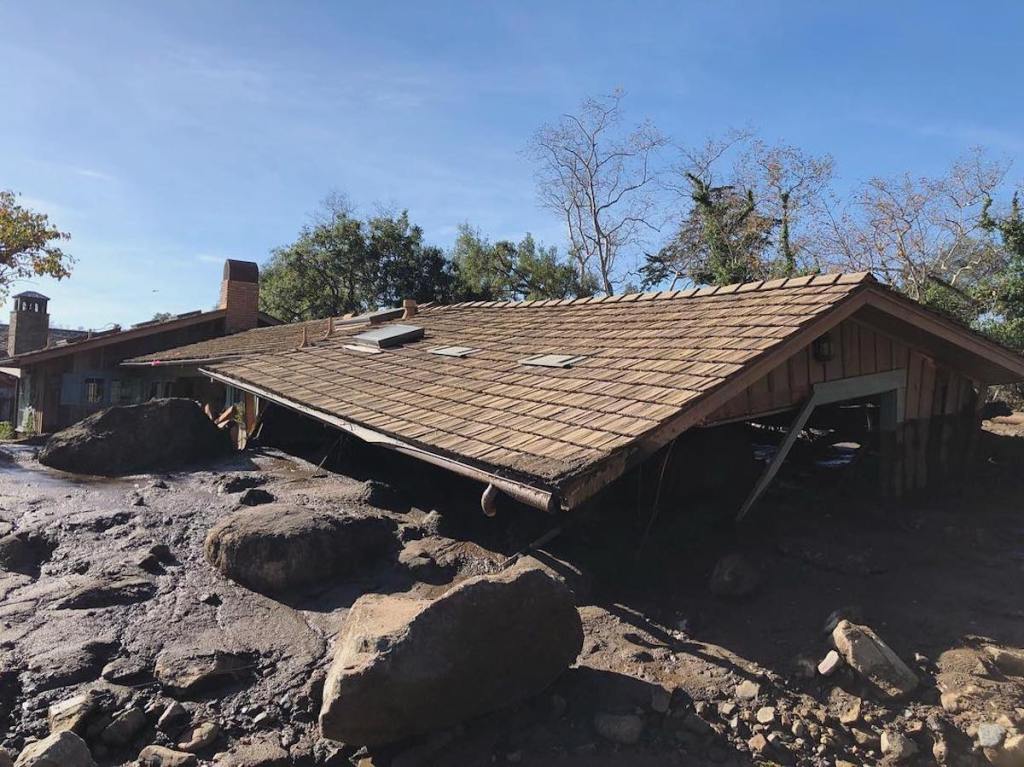
On January 9, 2018, Cantin woke up alone, half-buried in a pile of mud, boulders, and other debris that destroyed her Montecito home and swept her away from her family.
The mudslides hit suddenly in the middle of the night. The family had tried to escape with their dog, but they were all separated on impact.
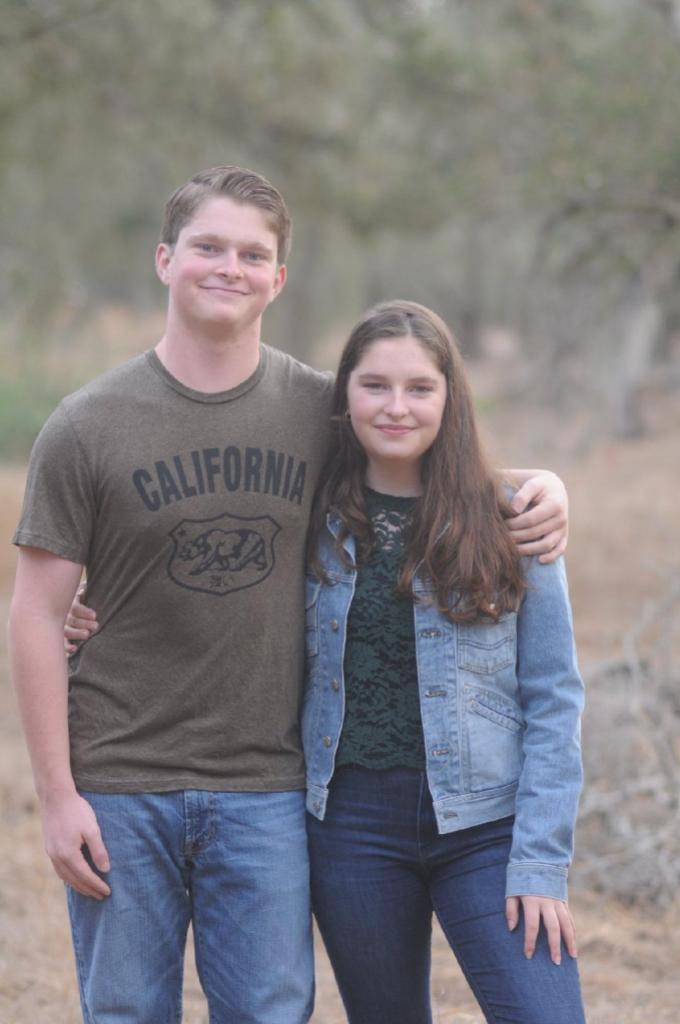
Cantin’s daughter, Lauren, was miraculously found buried alive by search and rescue teams. However, the tragedy took the lives of 23 others, including her husband, Dave, and teenage son, Jack.
Jack Cantin was only 17 at the time and would have turned 24 this year. For three years following the tragedy, Cantin searched for her son’s remains.
“We found enough for me to have some semblance of closure,” she said. “I feel for all the folks in Texas who are suffering waiting for their loved ones to be found.”
In a July 31 hearing held by Texas lawmakers in the city of Kerrville, one woman testified that her daughter was not identified until July 10. Even then, it was only by her charm bracelet.
“We need to pray for and support those folks,” Cantin said.
Cantin’s life pivoted dramatically after the mudslides, and her and her daughter’s path to healing has spanned the last seven years. It’s a path that many survivors in Texas will now be walking.
“I was a type A person, didn’t ask for help,” Cantin recalled. “I was fileted open, and I had to be vulnerable and accept the help. And by doing so, that was healing.”
She retired from her executive-level job, wrote a memoir, and now does public speaking engagements on how to move forward after suffering from traumatic loss.
“I really invested heavily over the past seven years for both me and my daughter to get the help we need … not just saying ‘I’ll deal with it tomorrow,’” she said. “No, because I want to be a great mom. There’s a lot of life to live.”
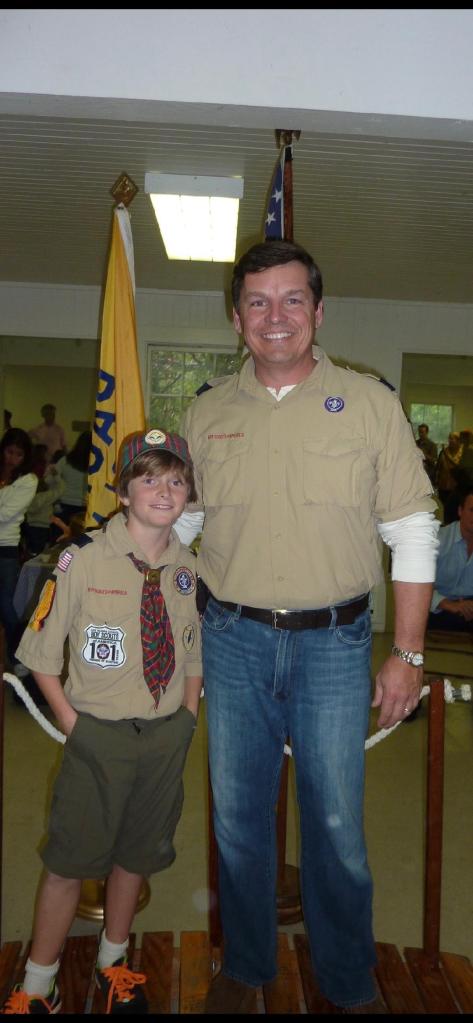
Dave Cantin (right) and his son, Jack (left), pictured here in 2007, were two victims of the 2018 debris flows in Montecito. | Credit: Courtesy 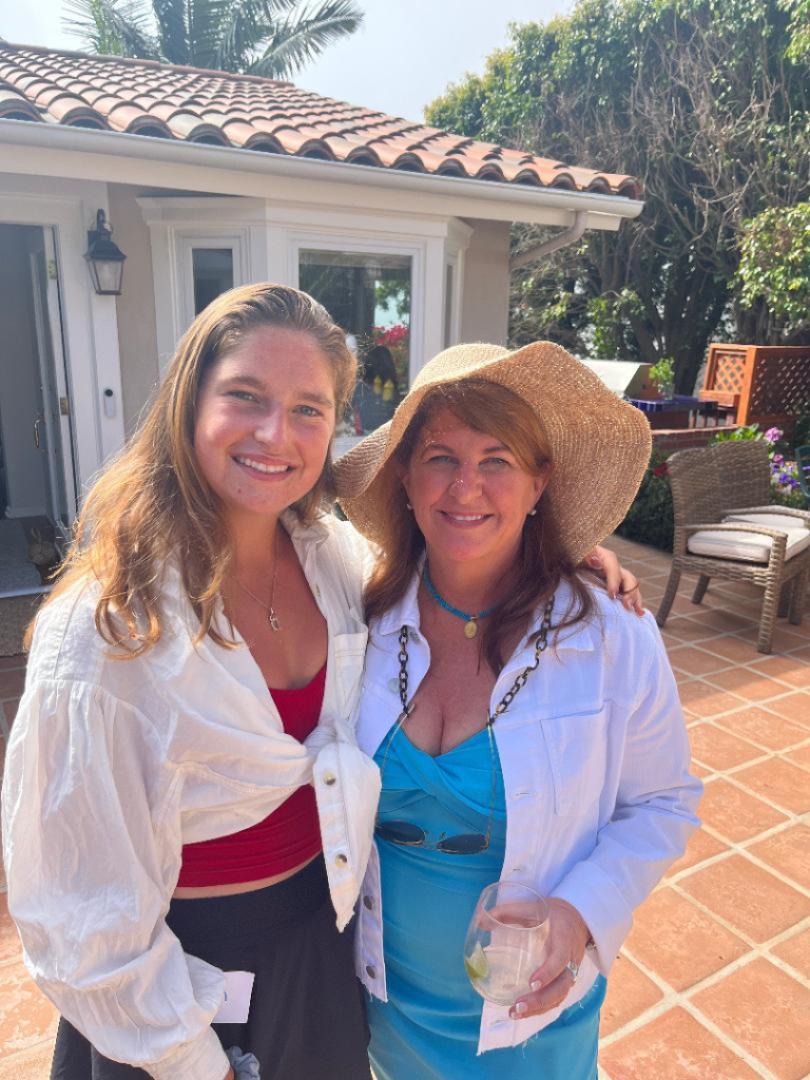
Kim (right) and Lauren Cantin (left) have been on a seven year journey to heal from the grief and trauma of the 2018 debris flows that took the lives of Kim’s husband, Dave, and her teenage son, Jack. | Credit: Courtesy 
The Montecito mudslides tragically took the lives of Dave and Jack Cantin, pictured here in 2007 alongside Kim and Lauren Cantin. | Credit: Courtesy 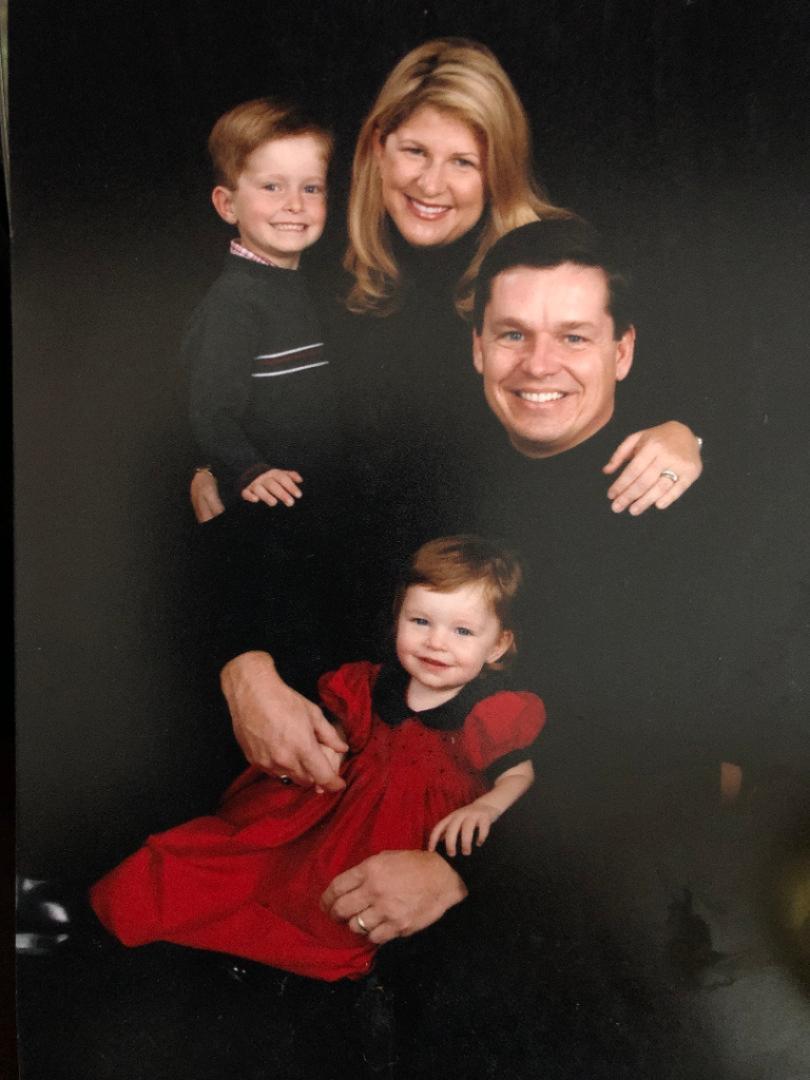
The Cantin family in 2005. | Credit: Jeff Kassebaum
Community Relief
After hearing Cantin’s story, complete strangers were reaching out to help her, she recounted. The way the community — such as the Montecito firefighting team and humanitarian organizations like Direct Relief and the Bucket Brigade — rallied around her and other survivors was “tremendously healing.”
“There’s just this level of care and compassion that I think is really special and unique about Santa Barbara,” she said. “It goes both ways. Give help to those who are immediately impacted, but by giving help, I think it can be really meaningful for people.”
Santa Barbara is now extending that compassion to Texas.
Santa Barbara–based charity Direct Relief has sent millions in aid to areas affected by the floodwaters, just as they launched a $5.5 million recovery effort in the aftermath of the mudslides.
“Direct Relief’s roots are in Santa Barbara, and our response to the Montecito debris flow remains one of the most significant in the organization’s history,” said Annie Vu, the associate director of U.S. Emergency Response at Direct Relief. “That experience showed how critical it is to support first responders, search-and-rescue and recovery teams, local health providers, and those offering mental health support to the community.
“The same is true in Texas today,” she added.
In the immediate aftermath of the floods, the organization awarded $250,000 in grant funding to five Texas organizations delivering services to impacted communities. It has also delivered more than $3 million worth of medical aid — totaling nearly 10,000 pounds — to healthcare providers across Texas. Shipments include essentials such as baby formula, as well as treatments for chronic conditions such as insulin, oral diabetes medications, thyroid treatments, blood thinners, and antidepressants.
“Disasters leave lasting impacts long after the immediate crisis fades, and Direct Relief’s focus is on ensuring groups local to Texas Hill Country have what they need to care for their communities — not just in the first days, but throughout the long road to recovery in the weeks, months, and years ahead,” Vu said.
Navigating the Aftermath
In the aftermath of natural disasters, there’s often an autopsy into what, when, why, and how things happened, including what decisions were made leading up to it.
The Montecito mudslides have become a case study for disaster preparedness and emergency communication in the face of intensifying natural disasters. Evacuation orders were sent out, but a majority of the victims did not live in mandatory evacuation zones, including the Cantins.
Many residents in the voluntary warning zone also had evacuation fatigue from the Thomas Fire, which was still two days away from full containment on the night the flows occurred. Additionally, prior to the event, many residents didn’t even know what a “debris flow” was. And when emergency alerts finally went out, it was in the very wee hours when most people were asleep.
Similarly, in the case of the flooding in Texas, emergency warnings were sent out at 4:03 in the morning, after the river had already risen 26 feet in less than two hours — making escape from the rising floodwaters a seemingly impossible task for many along the riverbank.
But while evacuations were at least attempted before-the-fact in Santa Barbara, the nearest weather service office in Texas was down some crucial players in catastrophe prevention, including the warning coordinator meteorologist, who took early retirements in the face of DOGE’s impending severances of such positions.
The Texas city of Kerrville and wider Kerr County — a known flood-prone area where much of the loss of life occurred — do not have any early outdoor warning systems, such as sirens, as reported by The New York Times. Rural Kerr County couldn’t afford the warning systems they had discussed building in the years past, despite repeated attempts by local officials to secure the needed funding. Since the floods occurred, many have been searching for someone to blame — such as the state of Texas or the Federal Emergency Management Agency — while viewing what happened as an imminent threat that wasn’t taken seriously. The most recent targets of ire are the Kerr County emergency management coordinator, who testified on July 31 that he was sick and asleep when the floods occurred, and the 9-1-1 dispatchers who are accused of not taking early reports of flooding seriously. This week, Texas state agencies and youth camps began reassessing their emergency management and analyzing their response to the fatal event.
When asked if she felt let down by officials in terms of the adequacy of emergency communication and services in the case of the 2018 debris flow, Cantin commended the Montecito fire chief at the time, Kevin Taylor, for proactively investing in resources that were critical for search and rescue efforts. But otherwise, she said, “Our city would benefit from an independent comprehensive post-mortem on what happened correctly and where the mistakes occurred and by whom. It is not about pointing fingers, rather, the responsibility to make sure it doesn’t happen again and more lives are not lost.”
Debris flows on the South Coast — described in old reports as tidal waves of boulders, trees, and water gushing down hillsides — have plagued local communities for more than a century, and the wildfires that create the prime conditions for walls of mud to be kicked loose are intensifying in severity and frequency due to our warming climate. Similarly, as a result of the climate crisis, scientists say that extreme rains and severe flooding like that in Texas are only expected to become more frequent. Although flash floods and debris flows can be the hardest to predict, officials will need as many resources as they can get to plan further ahead and curb high death tolls.
Related Posts






Premier Events

Sun, Oct 04
11:00 AM
40th California Avocado Festival

Sun, Oct 04
1:30 PM
Goleta, CA
📚 Library Card Day

Tue, Oct 06
All day
Santa Barbara
New and Emerging Technologies in the Hands of Artists: Brave New Work 2.0

Tue, Oct 06
6:00 PM
Santa Barbara
Chaucer’s Books- Horror Stories with Joseph Fink

Wed, Oct 07
7:30 PM
Santa Barbara
The Theatre Group at SBCC Presents: “CLUE”

Wed, Oct 07
7:30 PM
Santa Barbara
Ensemble Theatre Company Presents: “Buyer & Cellar”

Fri, Oct 09
7:00 PM
Santa Barbara
Paseo Nuevo Spooky Movie Nights

Sat, Oct 10
1:30 PM
Goleta
🌴 Another Day in Paradise at S.B’s Premier Ice Rink

Sun, Oct 11
7:00 AM
Ojai
Flamenco Guitarist Tony Ybarra

Sun, Oct 11
10:00 AM
Santa Barbara
18th Annual Domestic Violence Solutions Brunch
Sun, Oct 04 11:00 AM
40th California Avocado Festival
Sun, Oct 04 1:30 PM
Goleta, CA
📚 Library Card Day
Tue, Oct 06 All day
Santa Barbara
New and Emerging Technologies in the Hands of Artists: Brave New Work 2.0
Tue, Oct 06 6:00 PM
Santa Barbara
Chaucer’s Books- Horror Stories with Joseph Fink
Wed, Oct 07 7:30 PM
Santa Barbara
The Theatre Group at SBCC Presents: “CLUE”
Wed, Oct 07 7:30 PM
Santa Barbara
Ensemble Theatre Company Presents: “Buyer & Cellar”
Fri, Oct 09 7:00 PM
Santa Barbara
Paseo Nuevo Spooky Movie Nights
Sat, Oct 10 1:30 PM
Goleta
🌴 Another Day in Paradise at S.B’s Premier Ice Rink
Sun, Oct 11 7:00 AM
Ojai
Flamenco Guitarist Tony Ybarra
Sun, Oct 11 10:00 AM
Santa Barbara


You must be logged in to post a comment.