
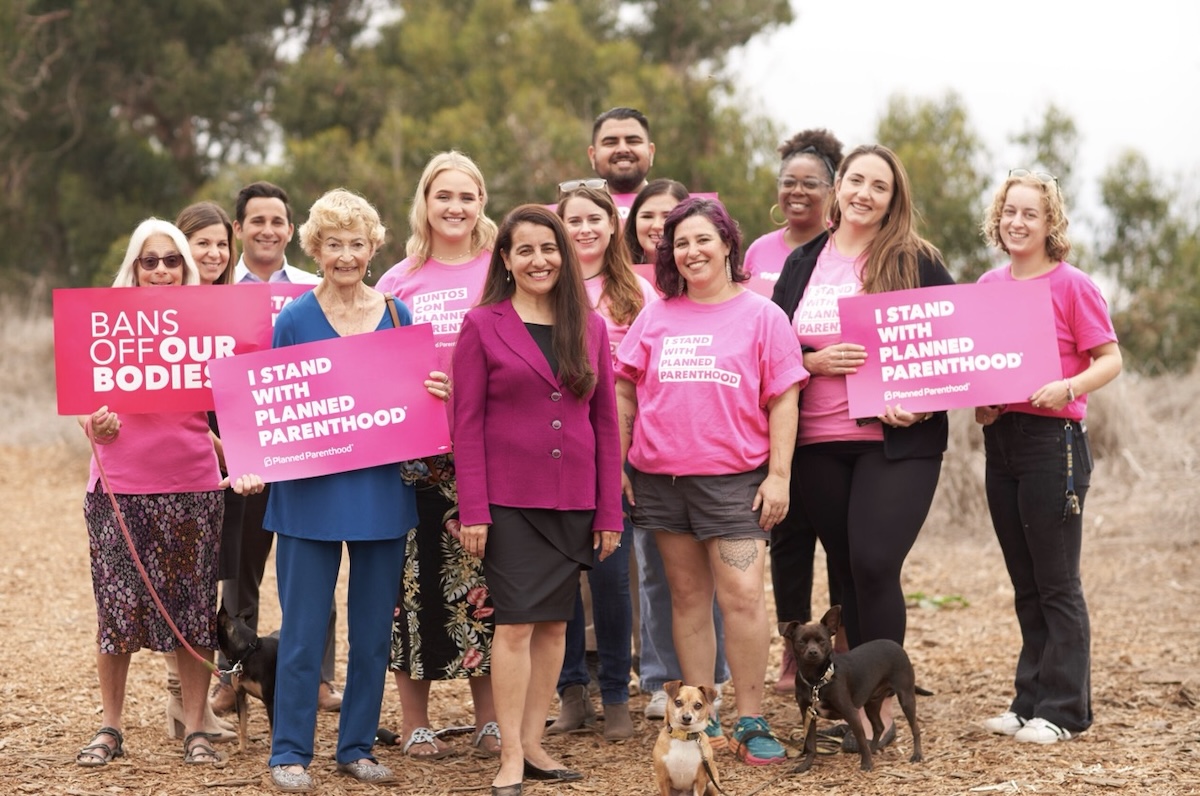
A week after California lawmakers slid a proposed $90 million stopgap onto the budget table, Planned Parenthood clinics across the state are welcoming the funding as a necessary measure to keep care available.
The proposed funding, announced January 30, is intended to backfill the hole left by the federal government’s decision to block Medicaid reimbursements to Planned Parenthood providers — a move reproductive health advocates have described as retaliatory and devastating. The early budget action would send one-time grants to clinics hit by the cuts, keeping doors open while Sacramento works through longer-term solutions.
At the center of the deal is Senate President Monique Limón, newly sworn into the chamber’s top leadership role last month — and notably, a Santa Barbara–based lawmaker who has spent years championing reproductive health access. Alongside Assembly Speaker Robert Rivas (D–Hollister), Limón agreed to fast-track the $90 million allocation as part of the legislature’s early budget actions.
“The California legislature will work tirelessly to ensure Californians have the proper healthcare they need,” Limón said in a statement. “This includes championing access to care for contraception, childcare, cancer prevention, and family planning. These services are essential for all Californians.”
The funding push follows federal actions that effectively locked Planned Parenthood out of Medi-Cal reimbursements — money that historically covered the majority (80 percent) of the 1.3 million annual patient visits. On the Central Coast alone, clinics were shorted roughly $17 million, about half their operating budget, after the federal government cleared the way for the cuts last year.
While abortion services often dominate the political debate, most of the affected funding paid for preventative care: birth control, cancer screenings, STI testing, and primary care services relied on by low-income patients.
“From day one, Trump and his Republican enablers have waged an all-out assault on women — attacking abortion access, family-planning, and reproductive health,” Rivas said. “Outrage alone won’t stop it. When Trump strips funding, California will continue to act.”
For Planned Parenthood California Central Coast (PPCCC), the early budget action represents another temporary stabilizer as clinics continue operating under fiscal uncertainty. According to PPCCC’s VP of Advocacy and Engagement, Luz Reyes-Martín, “We are thankful to the State Legislature for taking this necessary step to ensure Planned Parenthood health centers can continue to weather the full federal defunding and care for patients.”
That continued weathering was aided by Gavin Newsom in the fall when California’s governor announced $140 million in emergency funding to keep the state’s 100-plus clinics operating. The proposed $90 million allocation would serve a similar purpose, maintaining services while Sacramento debates long term solutions. The debate is currently anchored by Newsom’s most recent budget proposal, which includes $60 million for reproductive health care.
“This commitment of state funding ensures that, for now, patients will continue to be able to access lifesaving, critical care like STI treatments, cancer screenings, abortion care, birth control, and more,” Reyes-Martín said. “Our primary goal is to continue providing care for all patients at all health centers and to maintain all our health care services.”
While the proposal is specific to California, its implications extend beyond state borders. According to Limón’s office, more than 5,200 people traveled from other states to California for a legal abortion in 2023 — about 3 percent of all abortions performed statewide — underscoring the state’s role as a reproductive health access point.
Nationally, federal funding cuts placed 51 Planned Parenthood health centers on the chopping block. In 2025, clinics across 18 states closed after losing Medicaid support, particularly in rural and medically underserved areas.
Planned Parenthood recently moved to voluntarily dismiss its lawsuit challenging the federal Medicaid cuts after a series of unfavorable court rulings. The organization said the decision was strategic, not a retreat.
“The goal of this lawsuit has always been to help Planned Parenthood patients get the care they deserve from the provider they trust,” Reyes-Martín said. “Based on the decision from the First Circuit, it’s clear that this lawsuit is no longer the best way to accomplish that goal. But the end of this lawsuit is not the end of the fight.”
On the Central Coast, however, all six PPCCC health centers have remained open — a fact local providers attribute to a combination of state intervention and donor support.
“All six of our PPCCC health centers have remained open, providing all services to all patients, regardless of their insurance status,” Reyes-Martín said. “At a time when health care is increasingly inaccessible, PPCCC has not turned away a single patient.”
For California Democrats, the proposed $90 million allocation reflects a shift in how reproductive health care is sustained — increasingly reliant on state intervention as federal support recedes.
“This agreement marks an unfortunate but necessary early budget action,” Limón said, “to ensure California continues to protect essential health care access in the state as federal actions continue to roll back decades of precedent.”
Related Posts



Premier Events

Thu, Sep 17
5:30 PM
Santa Barbara
S.B. Independent: Santa Barbara City Council District 5 Forum

Thu, Sep 17
7:00 PM
Santa Barbara
Téka Brazilian Jazz at The Grand On State

Fri, Sep 18
All day
Solvang
Solvang Danish Days

Fri, Sep 18
12:00 AM
Santa Barbara
Yesterday: A Tribute to The Beatles at SOhO

Fri, Sep 18
7:00 PM
Carpinteria
West Coast Premier: “Gloria’s Old Haunt”
Sat, Sep 19
All day
Solvang
Solvang Danish Days
Sat, Sep 19
9:00 AM
Santa Barbara County
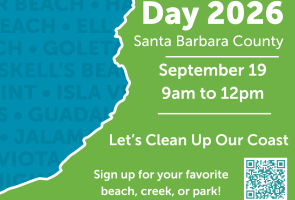
Coastal Cleanup Day

Sat, Sep 19
10:00 AM
Santa Barbara
8th Annual Santa Barbara County Farm Day

Sat, Sep 19
6:30 PM
Santa Barbara
Feng E – Teen Ukulele Sensation at SOhO

Mon, Sep 21
5:30 PM
Santa Barbara
S.B. Independent: Santa Barbara City Council District 6 Forum
Thu, Sep 17 5:30 PM
Santa Barbara
S.B. Independent: Santa Barbara City Council District 5 Forum
Thu, Sep 17 7:00 PM
Santa Barbara
Téka Brazilian Jazz at The Grand On State
Fri, Sep 18 All day
Solvang
Solvang Danish Days
Fri, Sep 18 12:00 AM
Santa Barbara
Yesterday: A Tribute to The Beatles at SOhO
Fri, Sep 18 7:00 PM
Carpinteria
West Coast Premier: “Gloria’s Old Haunt”
Sat, Sep 19 All day
Solvang
Solvang Danish Days
Sat, Sep 19 9:00 AM
Santa Barbara County
Coastal Cleanup Day
Sat, Sep 19 10:00 AM
Santa Barbara
8th Annual Santa Barbara County Farm Day
Sat, Sep 19 6:30 PM
Santa Barbara
Feng E – Teen Ukulele Sensation at SOhO
Mon, Sep 21 5:30 PM
Santa Barbara

