


Homelessness is often framed as a personal failure. People assume it comes down to bad choices, lack of effort, or moral weakness. That story is easy to believe because it lets everyone else look away. But it isn’t true. And the longer we hold onto it, the more people we fail.
I know this firsthand. I lived unhoused in Santa Barbara County for more than six years. I’ve now been housed for more than three. I followed the path people say leads to stability. I worked, stayed committed to recovery, and tried to build a life. Yet today, I’m facing the real possibility of losing my home again. Not because I failed, but because the systems around me did.
This is how homelessness actually happens.
When I was living outside, I was employed. At one point, I worked two jobs at the same time. Having a job did not protect me then, and it doesn’t guarantee protection now. The idea that steady work solves everything ignores the reality of low wages, unstable funding, and a housing market in which one missed paycheck can trigger a collapse.
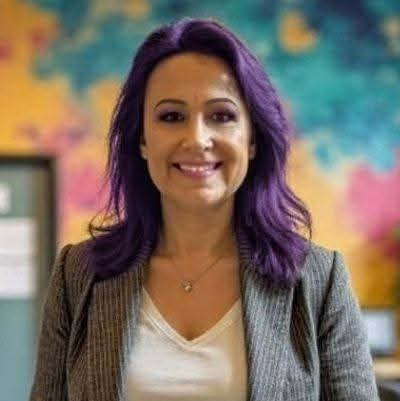
Last year, I was recruited into AmeriCorps as a homeless outreach worker. The person who brought me in was my former case manager, someone who had once found me living in an encampment near the railroad tracks behind the old Juvenile Hall, now La Posada. She knew my history and believed in what I could offer.
I took that job seriously. I was using my lived experience to help others navigate systems that are often confusing and unforgiving. It felt like I was doing exactly what people expect: giving back, working hard, and staying on track.
Then everything changed overnight.
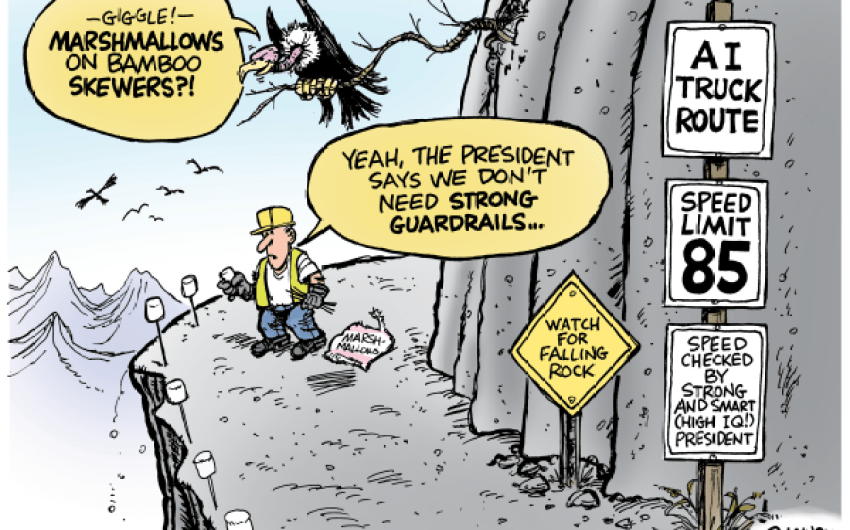
A new federal administration came in, and AmeriCorps funding was cut. On a Sunday evening, we were told not to come to work the next day. No warning. No transition. No safety net. Just like that, our income was gone.
We eventually took legal action and won. Our positions were reinstated. But the disruption had already caused damage that couldn’t be undone.
More recently, I worked as a Comprehensive Housing Specialist with Partners in Housing Solutions. I had an office at La Cumbre Plaza and spent my days helping others secure and maintain housing. I believed my own situation was stable.
On March 9, 2026, I was laid off again due to funding cuts.
Now I am at serious risk of losing the home I’ve held onto for the past three years. The place where I rebuilt my life. The place that represents stability after years of surviving outside.
This situation isn’t unusual. It’s not an extreme case. It’s a clear example of how fragile stability can be.
Homelessness doesn’t just affect people who “gave up.” It affects people who did everything they were told to do and still fell through gaps that are too wide to see until you’re in them.
It also doesn’t match the stereotypes people hold onto.
I didn’t become unhoused because of addiction. I became addicted while I still had housing. I was in a violent domestic relationship that nearly cost me my life. Drugs became a way to cope with that trauma. I’ve now been clean for six years.
Recovery didn’t come from hitting rock bottom. It came from deciding I was worth saving.
What kept me unhoused for so long wasn’t a lack of effort. It was a mix of policies and systems that make stability hard to reach and easy to lose. Criminalization of poverty, underfunded programs, unstable employment tied to short-term funding, and a housing system that often shuts people out all play a role. Even services meant to help can fall short when staff lack training in basic approaches such as Housing First or trauma-informed care.
Today, I serve as the California State Captain for the National Coalition for the Homeless and sit on several boards. My work focuses on changing the policies that punish people for being poor instead of addressing why poverty exists in the first place.
But my story isn’t rare. It reflects a larger pattern.
Data from 2025 shows that 2,455 people are experiencing homelessness in Santa Barbara County, with hundreds more incarcerated and not counted. These are not abstract numbers. They are people with histories, losses, and turning points that led them where they are.
It’s important to understand this: Homelessness doesn’t only happen to “other people.” Job loss, illness, violence, and sudden funding cuts can shift anyone’s life quickly. The difference is whether there’s a system strong enough to catch them.
Homelessness is not a character flaw. It is the result of policy decisions.
If we want fewer people living on the streets, we need to stop blaming individuals and start demanding systems that hold up under pressure. That means stronger tenant protections, stable funding for essential programs, and policies that prevent people from falling into crisis in the first place.
It also means listening to people who have lived through it.
I am housed today, but one layoff has put that at risk. That’s not a personal failure. It’s a warning.
Because this can happen to anyone, at any time.







You must be logged in to post a comment.