The county’s Office of Emergency Management (OEM) is staffed by “seven capable and dedicated employees,” but it should have at least 12 to adequately protect Santa Barbara life and property.
That is among the findings of a new Grand Jury report, which concluded the agency lacks the resources necessary to prepare for and respond to wildfires, debris flows, earthquakes, and other disasters. (The seven employees have since been reduced to six after last week’s budget cuts.) Their responsibilities extend across all eight cities in the county, multiple fire and law enforcement agencies, local colleges and universities, and federal partners such as Vandenberg Space Force Base.
Santa Barbara leaders, meanwhile, say the region is ready for whatever nature, hackers, or other forces throw at it. County Executive Officer Mona Miyasato assured the Board of Supervisors during budget talks that six OEM staffers were sufficient. Fire Chief Garrett Huff agreed.
“Santa Barbara County is fortunate to have highly skilled first responders and emergency management personnel who work every day to keep our communities safe,” Supervisor Laura Capps said in a statement to the Independent. “Emergency preparedness is one of the county’s most essential responsibilities, and I appreciate the Grand Jury’s attention to this issue.”
Across the 3,144 counties of the United States, Santa Barbara ranks in the top one percent for overall risk and has endured more than 40 emergency proclamations since 2014. Yet it employs fewer people to oversee regional crises compared to similarly sized California counties, the Grand Jury said.
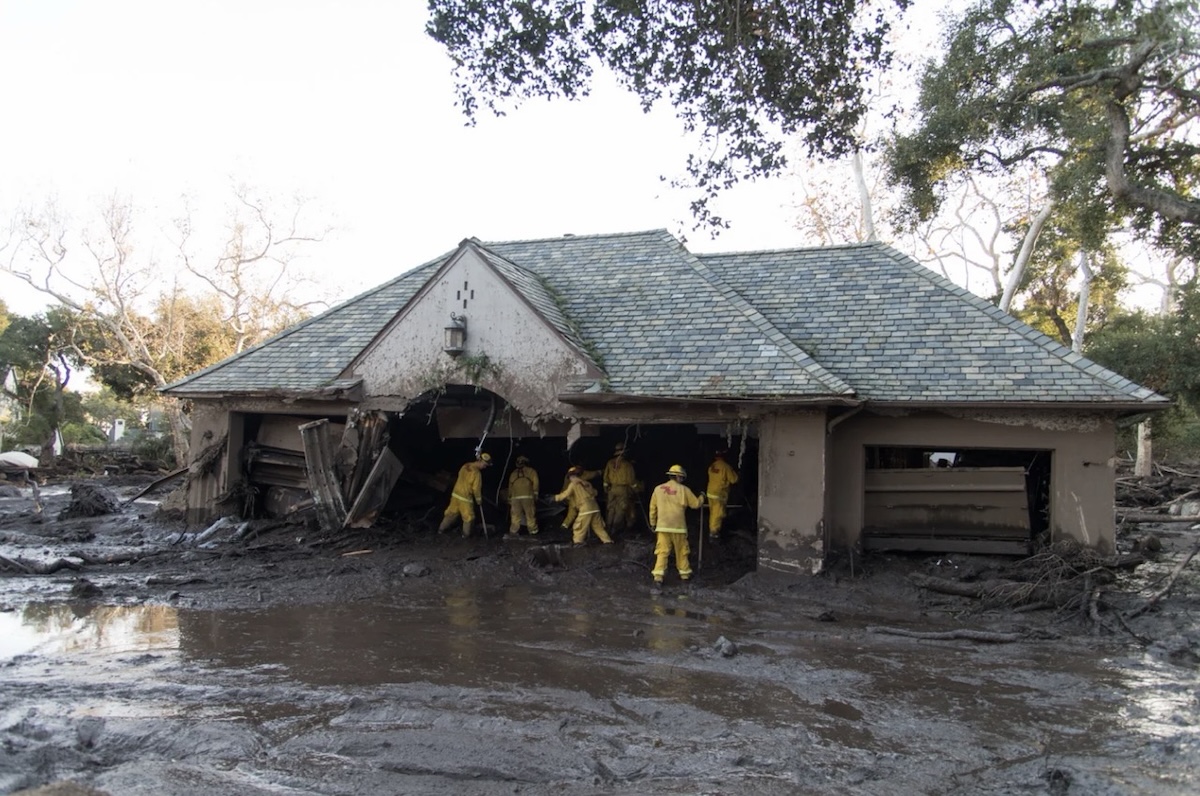
For example, Sonoma ― where 22 people died in the 2017 Tubbs Fire ― has twice as many disaster experts on staff, who oversee everything from pre-event prep to real-time public warnings to post-disaster recovery. When 23 residents were killed in the 2018 Montecito Debris Flow, 19 of them were under “voluntary” evacuation orders, the Grand Jury noted.
The OEM is currently housed within the County Fire Department. According to the report, that organizational structure hobbles the agency’s ability to coordinate countywide preparedness efforts because the emergency management director lacks authority over other county personnel. The county is supposed to maintain a cadre of 204 trained Disaster Service Workers from other departments who can staff the OEM during major emergencies, but has only recruited about half that number, the Grand Jury found.
Investigators also discovered that two key OEM programs have effectively disappeared over the past decade. One is the county’s Oil and Gas Emergency Management Program, which played a major role in coordinating the response to the Refugio Oil Spill.
The second is a volunteer initiative that leveraged the skills of local amateur radio operators. The Grand Jury said the operators provided invaluable backup communications when traditional systems failed during disasters, but coordination between the county and the volunteers has lapsed.
The county has 90 days to respond to the report’s findings and recommendations. “The report raises questions that will be formally responded to within the coming weeks,” said Capps. “The bottom line is that I remain confident in the County’s commitment to strengthening our readiness and our ability to respond effectively when emergencies occur.”