I doubt this will be a popular article. But when I thought about what to write this month, Kenny Rogers’s “The Gambler” kept repeating in my head.
In my opinion, the real estate market is great right now. Prices are adjusting, rates are making people nervous, and some buyers are backing out.
That, folks, is when deals happen. And I don’t know anyone who doesn’t like a deal.
The general definition of a balanced market is that it takes three to six months to sell a house. In recent times, we’ve just become acclimatized to properties selling before you can blink.
With longer listing times comes the ability to negotiate and to strategize what works for your financial plan.
Rates are making people nervous. No one wants to pay more than they have to. But money typically breeds money, and you generally cannot earn a lot on your retirement account if rates are at 2 percent.
Being nervous can be an indicator that it’s outside your capacity, but it also can mean less competition for those who figure out how to work it out. I dare say many of the folks that took the plunge in a higher rate environment in the Great Recession, and have held onto their properties since then, have built meaningful equity. Ditto after the dot-com bust. Did everyone? Certainly not, and past results don’t predict future results. And for sure, never buy property if it puts you over your skis.
With pricing adjustments comes the ability to think creatively and move toward what might make sense for you. Perhaps an offset to closing costs, a price reduction, or a temporary or permanent buy down. With strategy, you can build a plan that works around different payment levels, cash to close, all while considering tax advantages versus renting or building your net worth over time. Your tax advisor can tell you what truly applies to you — so, ask questions before you shut down the idea.
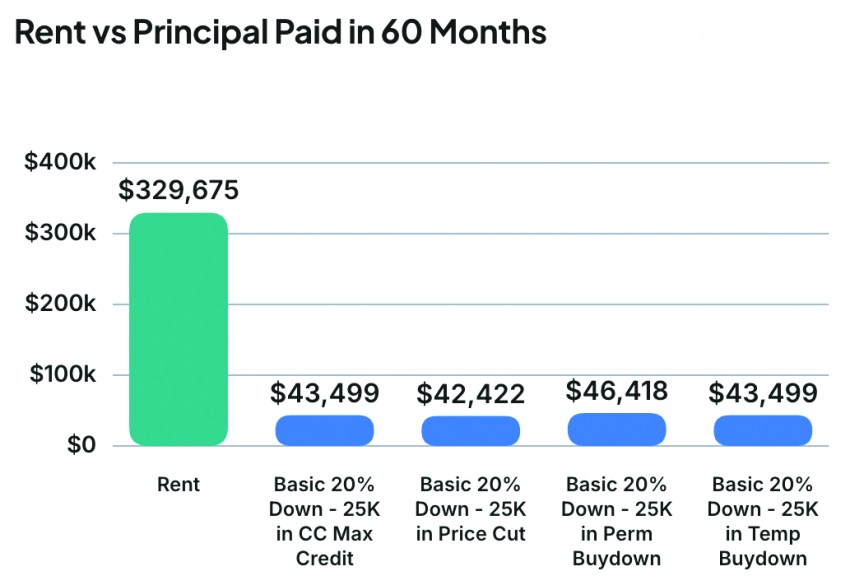
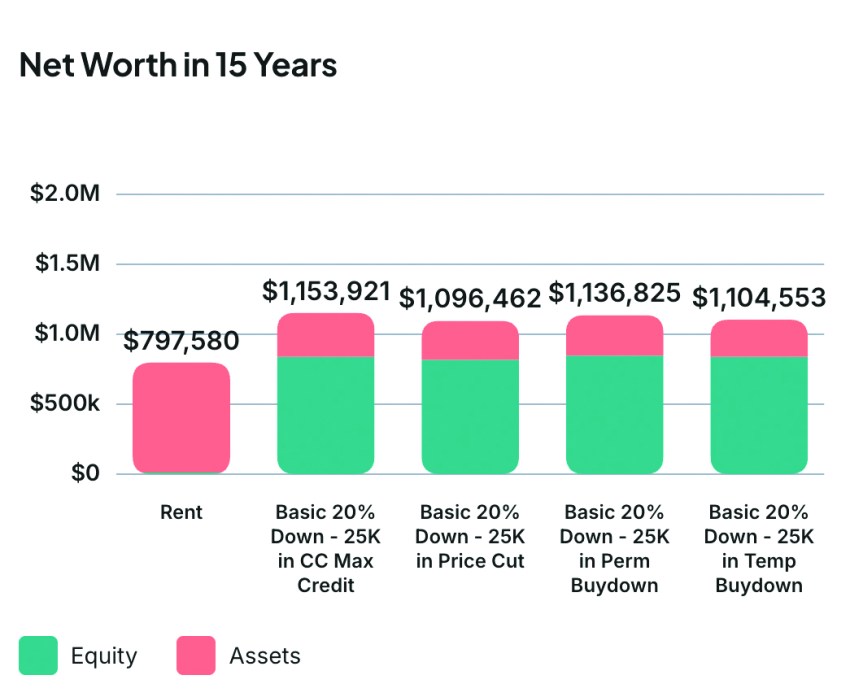
If you ask Google, property values increased by 2.5 percent on average in 2025 in the 93101 zip code — and by almost 80-105 percent since 2016. Even taking out the craze of COVID, the nation’s well-known search engine prices are up more than 35 percent in the past 10 years. In general, and based on rates at the time of writing, it takes a household income of around $275,000 to buy a single-family residence, with a standard downpayment, at a $1,500,000 price point, assuming a qualification of 50 percent debt-to-income ratio. This calculation assumes $1,000 in other monthly debt on your credit report, and an 800 FICO. If you have $500,000 in the bank, and you are earning 6 percent on that money, then does it make sense for your overall financial picture to buy a house — even if your rent is only $5,000 per month? Your financial advisor will know best, but what could that look like?
Here are some super generalized snapshots from an analysis done around this scenario. When you look at this analysis, it is imperative to note that this is merely an example. It is not a commitment to lend and doesn’t represent any offer of terms available to your unique situation. It is intended to help you see some ideas about what someone could potentially do in this market — including if you were able to negotiate $25,000 with the seller as an incentive to purchase.
No one knows what global markets will do — the future remains unpredictable. I don’t really know where rates are going to go. Though we are not out of the woods yet, it is within the woods that you get the lumber to build the home of your dreams. If you’re considering buying or selling in this market, seek out a qualified professional who can help you outline different ideas and opportunities. I invite you to talk to your tax adviser, someone that can give you reasons to, and reasons not, to pull the trigger. Weigh them out, and see how they settle your nerves. There are a lot of upsides in the long run of the real estate market and certainly a lot of pitfalls could exist in the short run. But this run is yours, and this opinion is mine. So, go. Go be successful. Be strategic. Be the best you can.
Austin Lampson is a licensed mortgage professional and Divisional Leader of Cross Country Mortgage. She has spent the last quarter-century helping her clients balance math and emotion to achieve their financial goals. Reach Austin at (805) 586-8896, austin@austinlampson.com, or visit austinlampson.com.