Members of the California Coastal Commission and a host of other state agencies charged with protecting the state coastal environment protection are preparing for an all-hands-on-deck showdown with the U.S. Department of Commerce in a Los Angeles Hilton hotel on August 13.
Secretary of Commerce Howard Lutnick expressed concern in a May 20 announcement that the Coastal Commission abused the discretion afforded by a federal law called the Coastal Zone Management Act to hamstring efforts by Elon Musk to launch more SpaceX rockets from Vandenberg Space Force Base near Lompoc.
“Obstructionist policies that delay critical infrastructure in the name of environmental extremism are unacceptable,” read a statement released by the Commerce Department.
Lutnick’s intention is to conduct a top-to-bottom review of the commission with an eye for hidden agendas. The commission is typically reviewed by the Department of Commerce every five years; the last review took place in 2024.
Lutnick’s beef with the commission goes beyond Musk and SpaceX; it extends to coastal oil leasing and development, not to mention subsea cables and desalination plants. The Coastal Zone Management Act doesn’t give the commission the power to veto federally endorsed projects outright, but it does mandate that the commission and the given federal agency jawbone in good faith to address what the commission identifies as inconsistencies with policies of its coastal protection policies. The process can be time consuming and straining. Defenders of the commission insist the process yields changed projects that are more sensitive to their environmental impacts.
In the case of Musk, SpaceX was proposing in October 2024 to increase the number of its launches from Vandenberg from 36 to 50, with another bump to 100 soon in the works. At the October 10 hearing, several commissioners expressed horrified political repugnance with Musk’s then jumping-up-and-down support for Trump, who was then running as a candidate for president. Noting that the majority of Musk’s launches were private and commercial in nature — rather than military-intelligence-gathering expeditions — a majority of commissioners argued against the finding of consistency and threatened to require Musk go through all the permits required by any private commercial operator. The Department of Defense, which relies on Musk’s SpaceX launches for critical satellite intelligence posts, insisted that Musk was inoculated from any from such permit requirements. Musk sued, claiming the commissioners had violated his political free of speech.
Late this April, the commission settled that case by issuing Musk a public apology. A few days later, Musk joined a host of billionaires on a trip to China with President Trump. Shortly upon their return, Lutnick announced he was investigating the Coastal Commission for obstructionism and environmental extremism
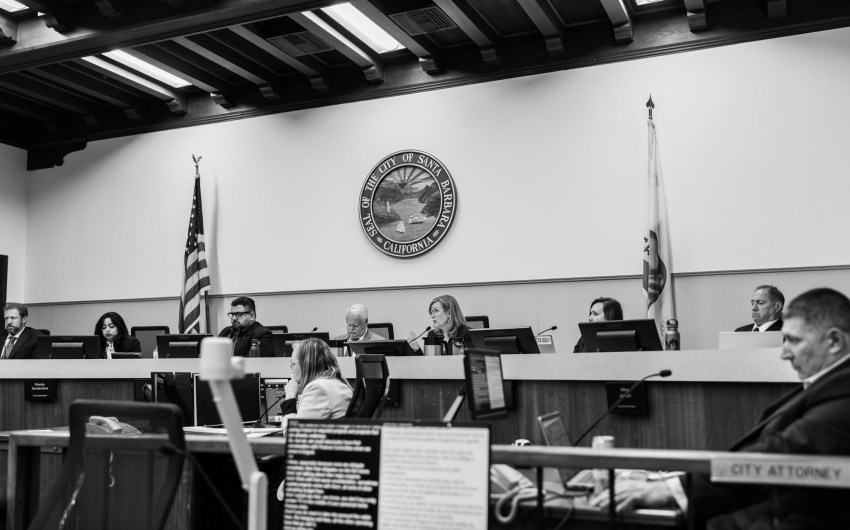
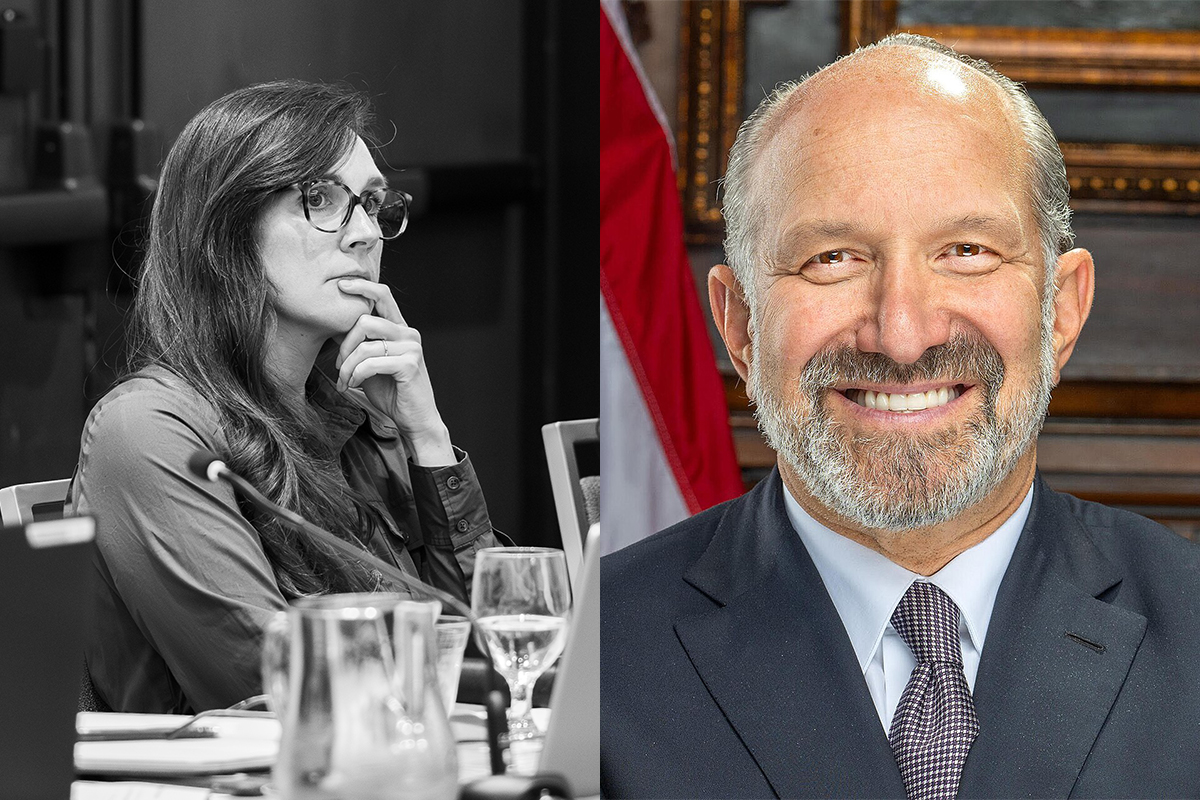
Chairing the Coastal Commission is Meagan Harmon, the Santa Barbara city councilmember. While Harmon is fully expected to issue a statement at the August 13 hearing, she is keeping any public comments under wraps given the extreme legal and political sensitivities involved.
Supporters of the commission see this hearing as part of a broader assault on California’s defiant insistence upon stricter environmental protections than the Trump aadmdministration will support. If Lutnick finds California out of compliance with the Coastal Zone Management Act, the state stands to lose $3 million in funds, but more importantly a legally mandated forum by which the state and federal agencies hash out their differences over project impacts.