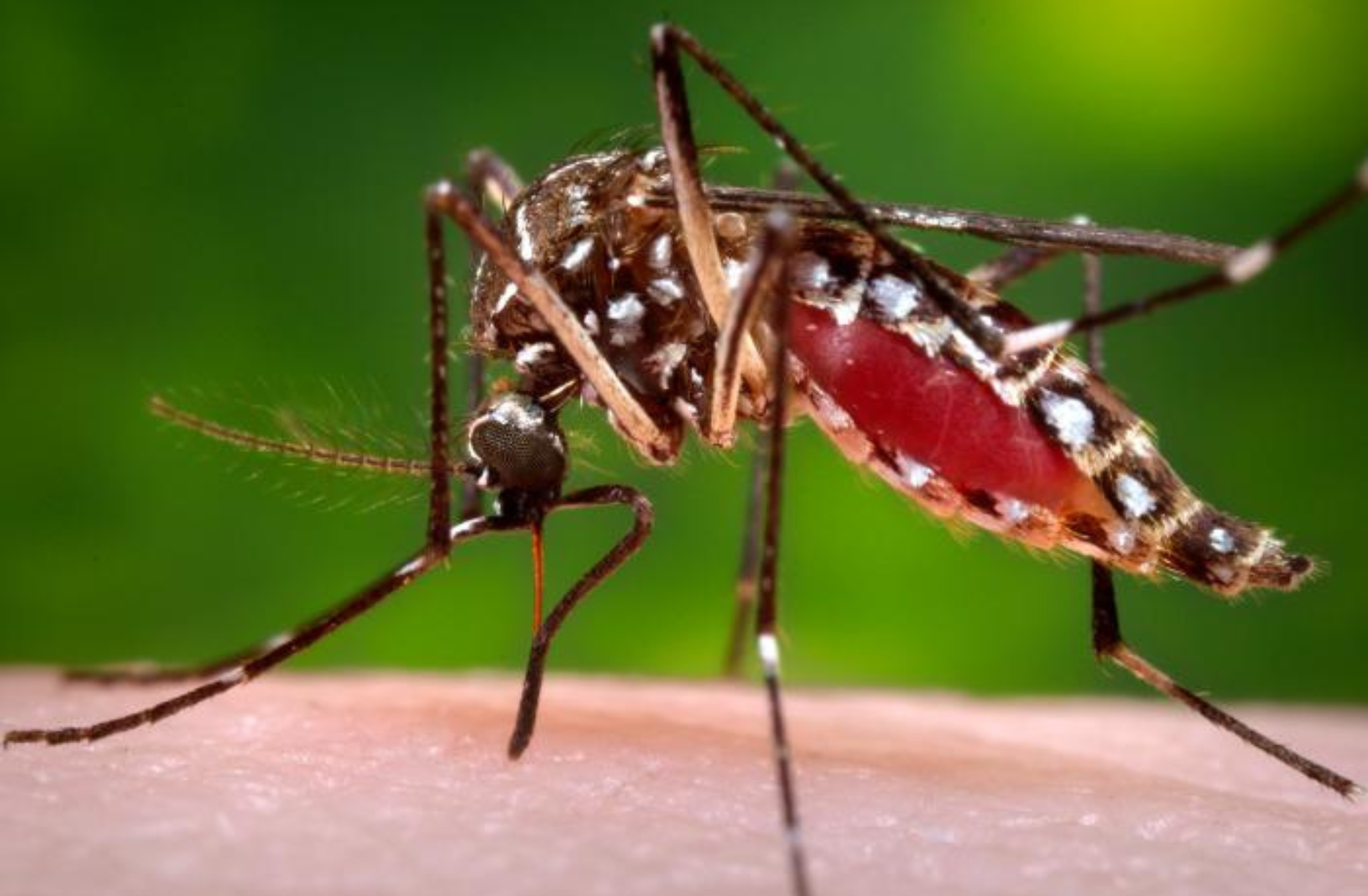
Four “ankle biter” Aedes aegypti mosquitoes were found in the City of Santa Barbara last Friday, adding to the count of the blood-sucking bugs found in the Eastern Goleta Valley in October and in Carpinteria in July. More than just a nuisance, the insects are known to have caused 20 cases of dengue infection in Los Angeles County. Globally, they also spread viruses that cause Zika, chikungunya, and yellow fever; however, those are not known to be in California.
The July detection was in downtown Carpinteria. On October 16, several bugs and larvae were collected near North Turnpike Road and Calle Real. Most recently, on October 30, two Aedes aegypti were trapped near North Voluntario and Cota streets, another one at Laguna and East Carrillo, and one near East Victoria and Olive streets.
Aedes aegypti thrive in warm weather, and the recent rains created “ideal breeding conditions,” said Brian Cabrera, who heads Santa Barbara County’s Mosquito and Vector Management District. “We are at a critical turning point” in keeping a permanent infestation at bay, he said. “Residents are our most effective line of defense — you can help stop an infestation by eliminating all standing water around your home and reporting any daytime mosquito activity to the [Vector Management] District immediately.”
The Aedes aegypti mosquito is unusual as it hunts during the day and the night, and generally targets the legs and ankles. Its eggs can remain viable for months, even when dry. And eggs hatch into larvae in any bit of standing water — even as small as a bottlecap. Cabrera’s district asks residents to report daytime biters and standing water in neighborhoods to (805) 969-5050 or the district’s contact page at mvmdistrict.org.
Be sure to dump any standing water, and scrub the sides to eliminate clinging eggs, the district suggests. Repair holes in window and door screens, keep doors closed, wear long pants and long-sleeved shirts, and apply EPA-approved bug spray when outdoors are the district’s guidelines for humans.
Another pest — Aedes notoscriptus — has also been found on Santa Barbara’s Westside. This mosquito can carry canine heartworm. Both species of mosquito prefer to be close to human dwellings.