
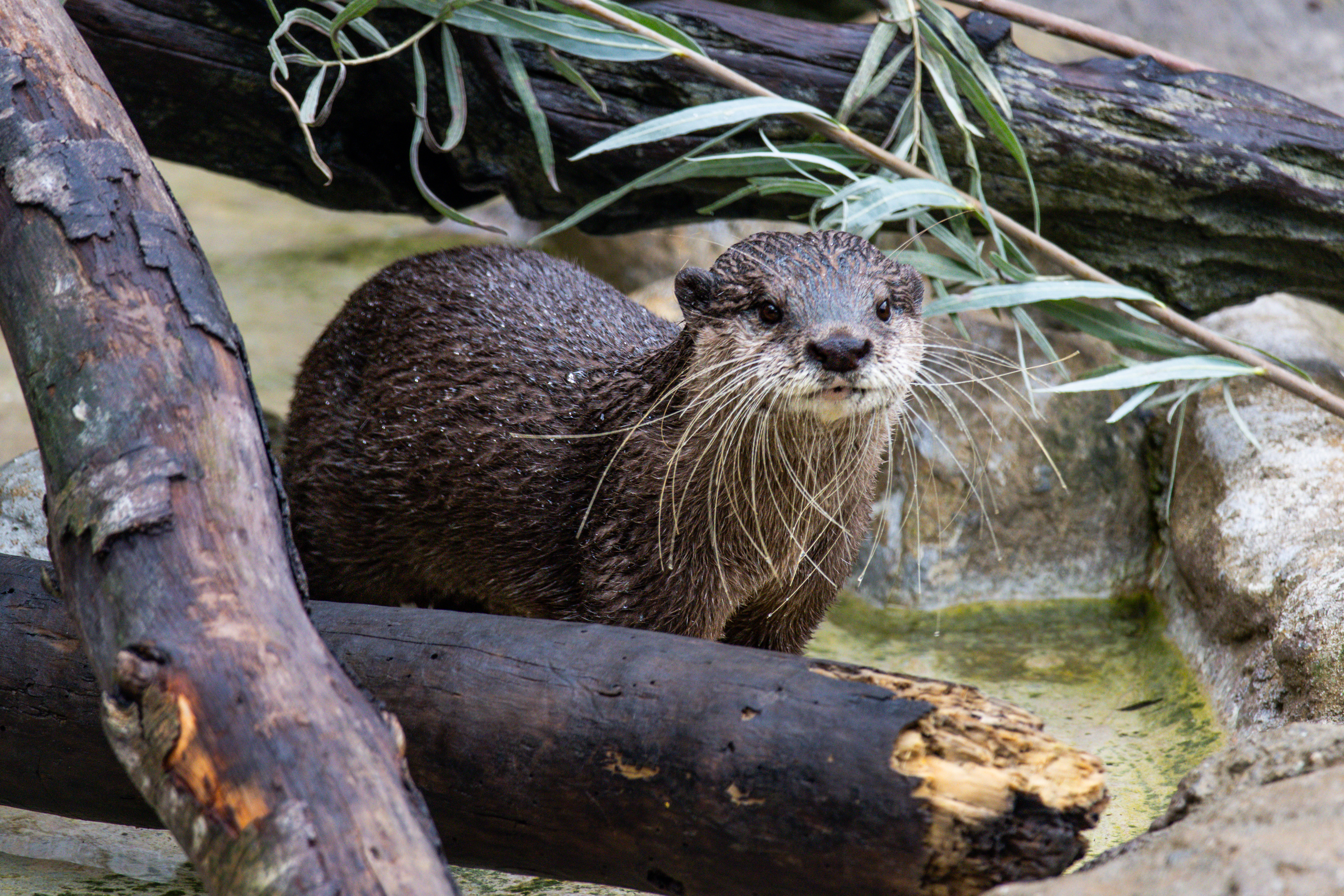
A new otter has arrived at the Santa Barbara Zoo, the zoo announced this week. Dolly, a 6-year-old female Asian small-clawed otter, was transferred from a zoo in Florida with the hope that she’ll take a liking to eligible bachelor Malu-Malu, a 5-year-old male and zoo resident from birth.
The zoo described Dolly as outgoing, confident, and adventurous, with great climbing skills and a fondness for carrying and juggling rocks. Her new roommate, Malu-Malu, on the other hand, is shy and easygoing. Their personalities were a consideration in determining the pairing, the zoo said, adding to the likelihood of a compatible match.
The otters were match-made through the Species Survival Plan (SSP), a program through the Association of Zoos and Aquariums meant to manage animal populations and maintain genetic diversity. These otters in particular are considered a “vulnerable” species internationally, due to habitat loss, pollution, declining prey availability and illegal wildlife trade.
In addition to having compatible personalities, Malu-Malu and Dolly are “genetically appropriate” for each other, the zoo said. While there are no immediate breeding plans, it noted, any future offspring would benefit the SSP population.
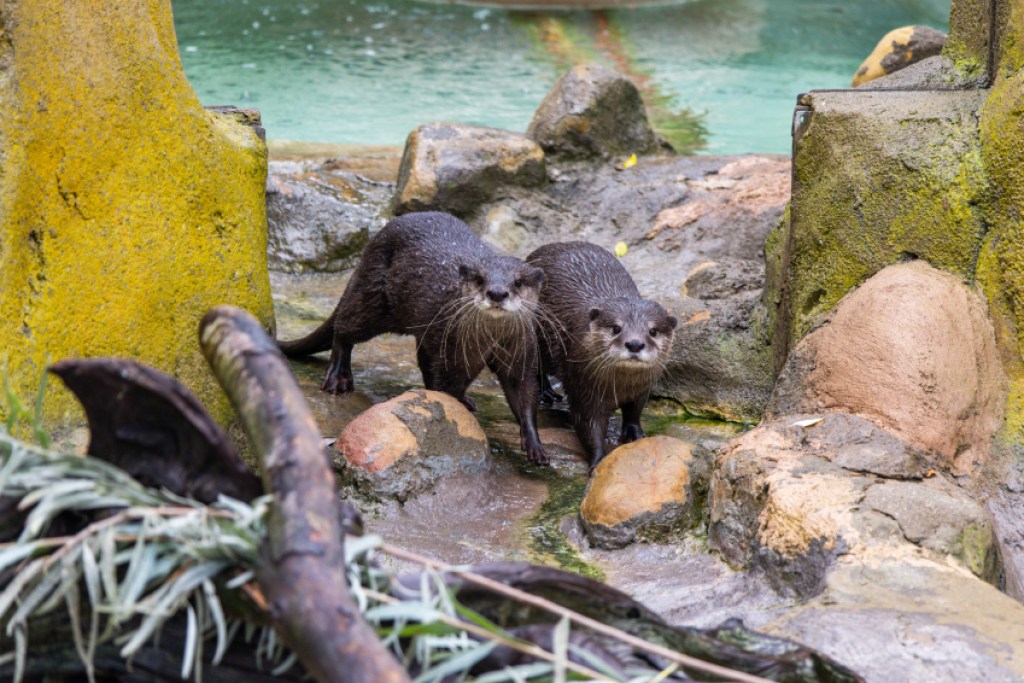
Dolly was at the age when she would naturally disperse from her relatives in the wild. Likewise, Malu-Malu’s mother, 13-year-old Gail, is now starting “a new chapter of her own,” the zoo said. Gail, who gave birth to Malu-Malu at the Santa Barbara Zoo, recently transferred to San Antonio Zoo in Texas, where she joined a 9-year-old male otter named Nico.
“The pairing gives Nico welcome company, and the San Antonio Zoo team reports that Gail is settling in very well with her new companion,” the zoo said.
Groups of Asian small-clawed otters have lived at the zoo for decades, but the species itself is Native to South and Southeast Asia, where they inhabit freshwater wetlands, rivers, streams and mangrove forests. They are family-oriented and vocal animals, the zoo explained, and can often live in extended family groups. They are called “small-clawed” because they have short claws that do not extend beyond the ends of their toes, allowing them to better locate and handle their food, such as crabs and mollusks.
“We hope guests who visit Dolly and Malu-Malu will develop a greater appreciation for these remarkable animals and the importance of protecting them in the wild,” said Dr. Julie Barnes, Vice President of Animal Care & Health.






You must be logged in to post a comment.