

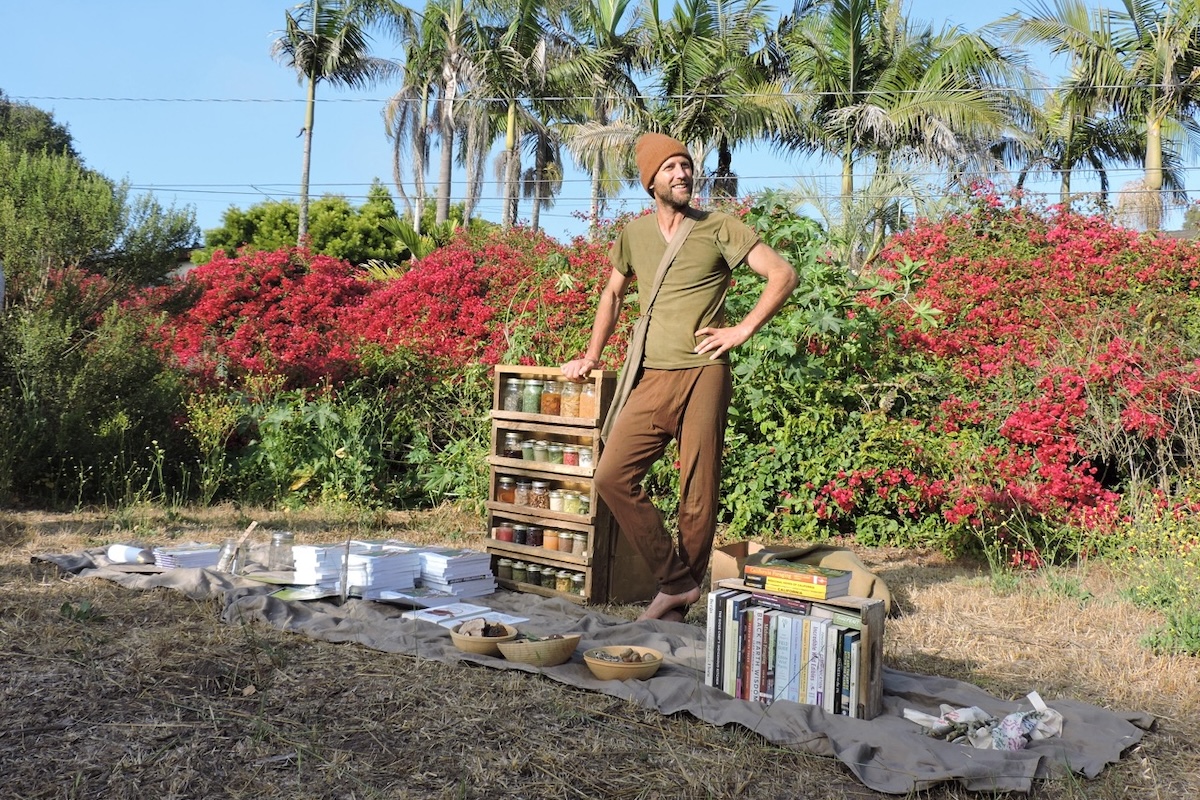
As soon as we stepped foot onto the Douglas Family Preserve, social experimentalist Robin Greenfield immediately beelined for a patch of wild radish growing on the bluff and started collecting.
He set down his makeshift mobile “pantry” in a patch of dirt. It looked heavy. The wooden shelves were stocked with glass mason jars full of foraged goods. They looked like potions: Spices, salt from the ocean, apple and plum sauces, and maple syrup swirled in their containers.
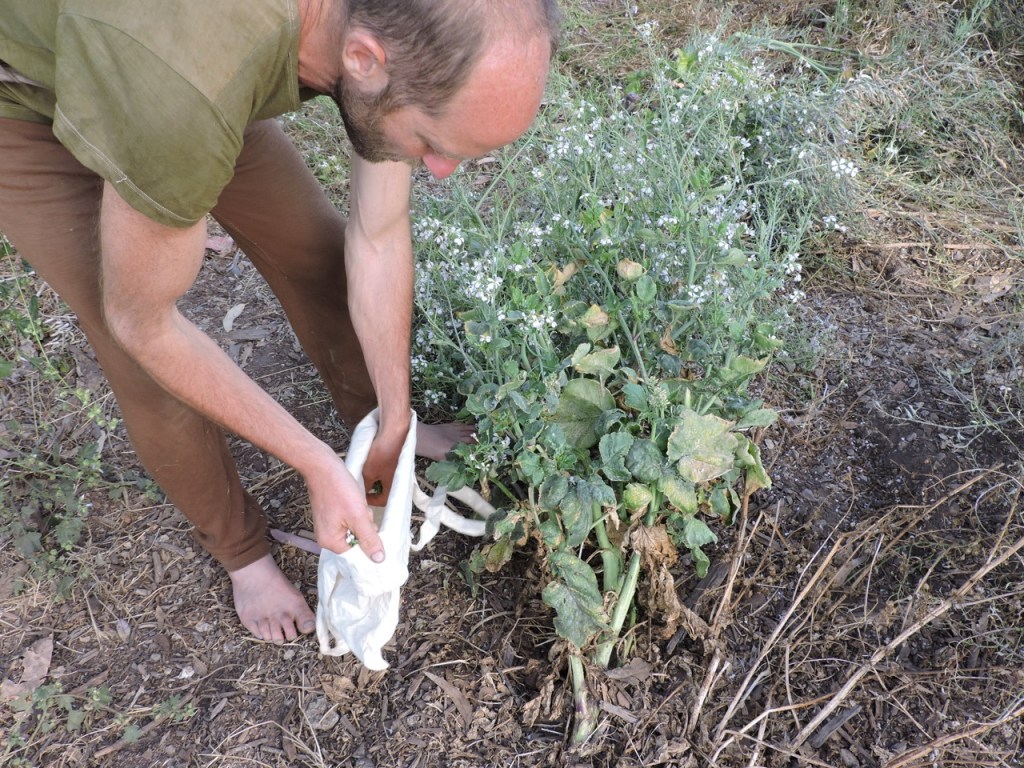
It was day 233 of Greenfield’s experiment in eating only foraged foods for a year. No grocery stores. No restaurants. No garden. No food industrial complex.
All his food and medicine comes from the wild — weeds, fish, and venison make up a majority of his current diet. Natural foods can be key to preventative healthcare, he said, estimating that he’s eaten around 180-200 species of plants, mushrooms, and animals in his homeland of Northern Wisconsin.
His sources? Yards, parks, and roadsides, as well as the surrounding lakes, rivers, and forests.
My most pressing question was, “How are you feeling?”
His response: good. He’s lost five pounds, but some weight loss was expected from “not having Ben & Jerry’s ice cream anymore.” And after eight months of a finders-keepers’ modus operandi and forgoing the grocery store, five pounds isn’t too shabby.
My other most pressing question: “What do you miss?”
At this, an immediate sigh, and a look of longing as the words rolled off his tongue. “Olive oil,” he responded. “I miss fat,” which is harder to get through a foraged diet.
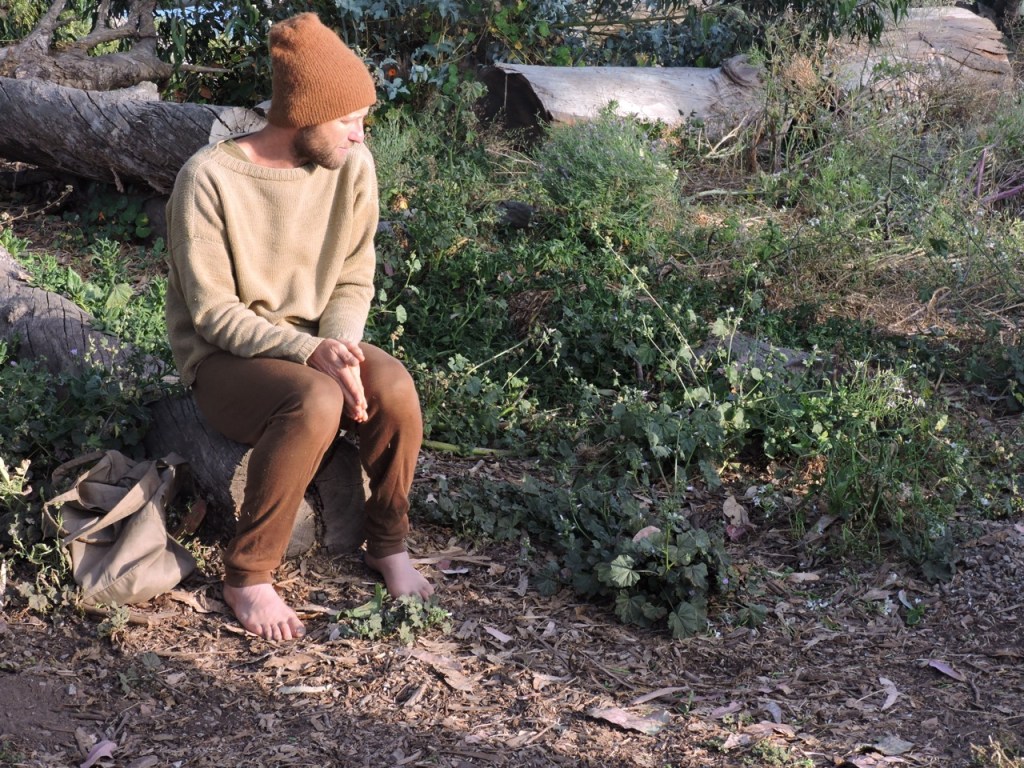
Other than that, Greenfield was in a sunny mood. He was preparing for a community foraging walk through the preserve, to show attendees that “food and medicine is growing freely in your own backyard.”
“The earth provides us with everything we need,” he said. “I’m sharing that with others”
He told the group of roughly 50 people that he wished to “radicalize” them “through the plants,” showing them how to break free from the social norms we’ve built around our Standard American Diet (SAD, for short).
It was one stop in his West Coast tour, leading foraging walks, educating communities, and meeting fans. He has more than 400,000 subscribers on YouTube and has been featured in national publications for his experiments in sustainability — such as non-ownership.
He was on his way to shedding all his belongings and living in L.A. when I saw and wrote about him last. He lasted four months owning absolutely nothing in a city park. “When I arrived in Griffith Park and shed the last items, and was sitting naked there, I felt just a wonderful sense of peace, connection, and being in the present moment,” he described.
He now owns quite a few possessions, including 300 jars. But he insisted it is still just the basics — nothing more than what he needs to accomplish his mission and live simply.
“And I was here in California when the idea for this next adventure struck,” he recalled. “I just asked myself, ‘What do I want to do more than anything in the world?’ And the answer was to move back to my homeland and to embark on a year of forging all my food and medicine as a way of really just living closely connected with the earth.”
Once a group had gathered among the colorful brush at the entrance of the Douglas Preserve, he had everyone introduce themselves because “foraging can be lonely.”
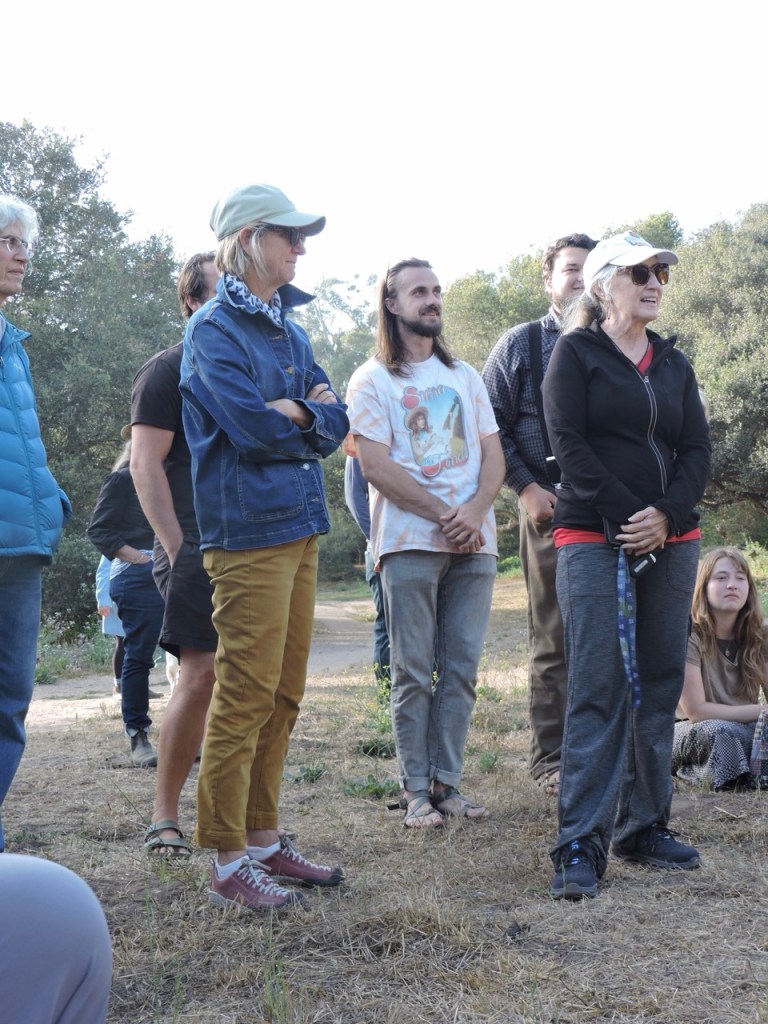
Christine Brown, a Carpinteria resident, said she heard about the walk online.
“This is something I’ve always been interested in,” she said. “I just wanted to know more about foraging and what we can find in the world around us.”
The walk itself was less of a walk and more of a hop a few feet away, where an array of edible plants were growing: wild radish, mallow, dock, and New Zealand spinach, to name a few.
Many edible plants are considered weeds. But that’s demeaning nomenclature, Greenfield said. The Earth does not have a word for “weed” — it’s only been around for a few hundred years or so, he said. “Some weeds are the most nutritious plants you can put in your body and we’ve labeled them to be pulled up and destroyed,” he said.
We got to know some of the weeds within a very short walk of the park’s entrance.
He went over how to identify, harvest (without harm), and prepare the plants for consumption. He touched on tastes and textures and medicinal benefits. For example, edible wild greens should ideally be bendy and flexible. More bitter plants are good for digestion.
Flavor profiles ranged from woody, to slimy, to straight-up delicious. Wild radish is fully edible, but the seed pods (which have pickle potential) and flowers are tastier. Dock seeds can be used to make flour. Mallow, or cheese weed, is good for sore throats.
Greenfield also acknowledged his shortcomings: He is not a plant ID expert, “but this is wild radish,” he said matter-of-factly as he held up a large plant he pulled from the ground. “Some people say all plants have toxic look-alikes, and that’s true if you’re not looking very closely.”
Still, he noted a good rule of thumb for new foragers: Only eat something if you’re 100 percent sure. Greenfield has had years of practice in cultivating his own plants and identifying wild species.
“There’s all these stories about people dying from foraging, but people forget that they can literally just start with the easy-to-identify weeds that are growing in their yards that they already know, they just don’t know are edible,” he said.
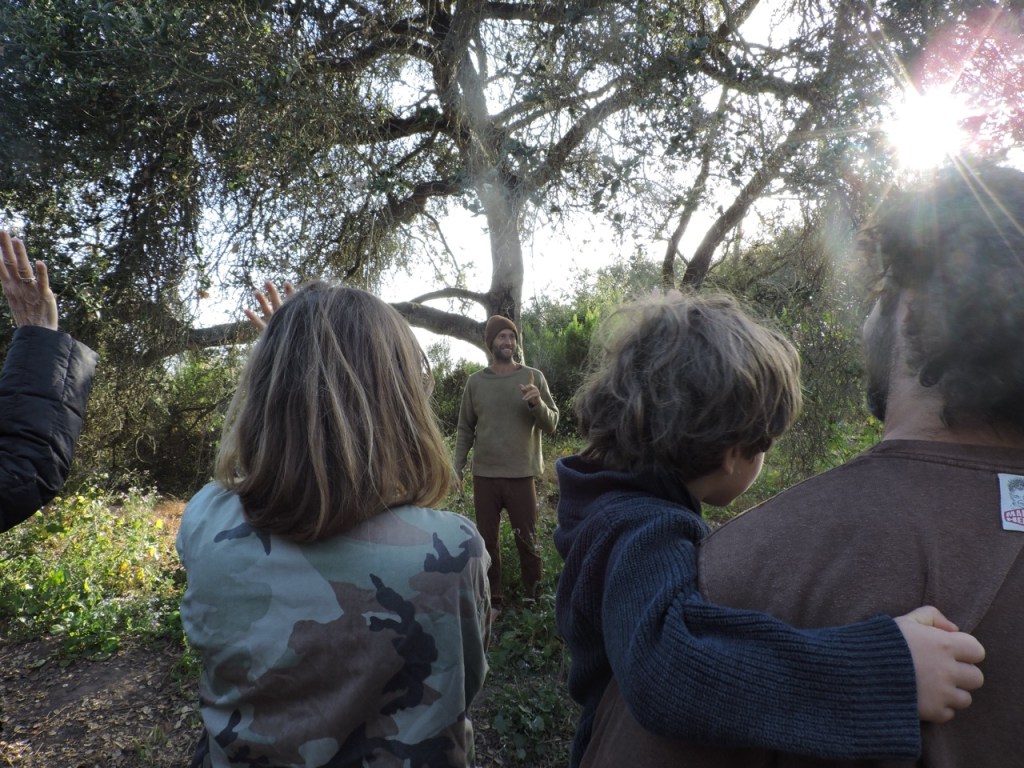
On June 1, activist Robin Greenfield guided Santa Barbara residents on a walk through Douglas Family Preserve to identify edible weeds in their own backyards. | Credit: Callie Fausey 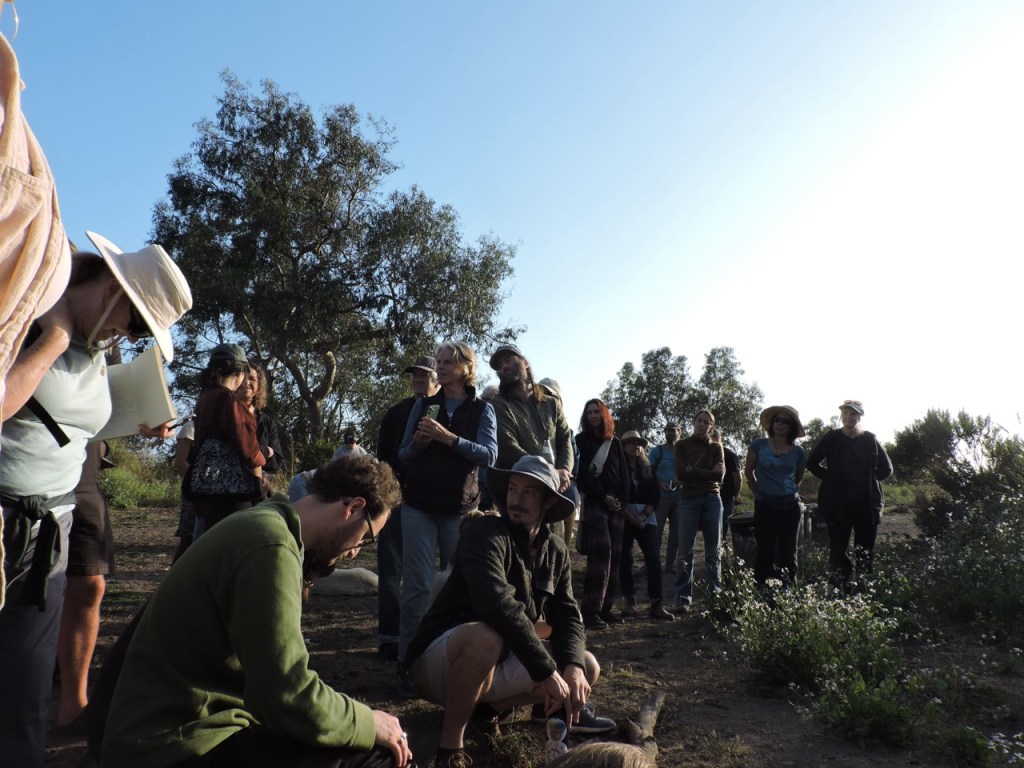
On June 1, activist Robin Greenfield guided Santa Barbara residents on a walk through Douglas Family Preserve to identify edible weeds in their own backyards. | Credit: Callie Fausey 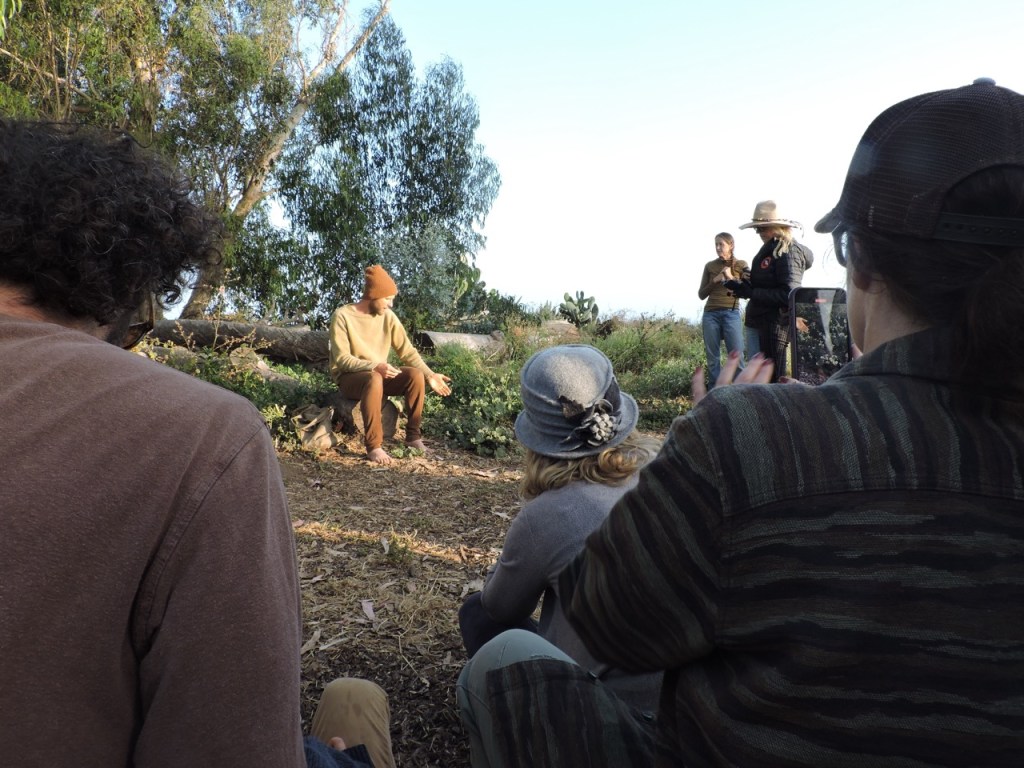
On June 1, activist Robin Greenfield guided Santa Barbara residents on a walk through Douglas Family Preserve to identify edible weeds in their own backyards. | Credit: Callie Fausey 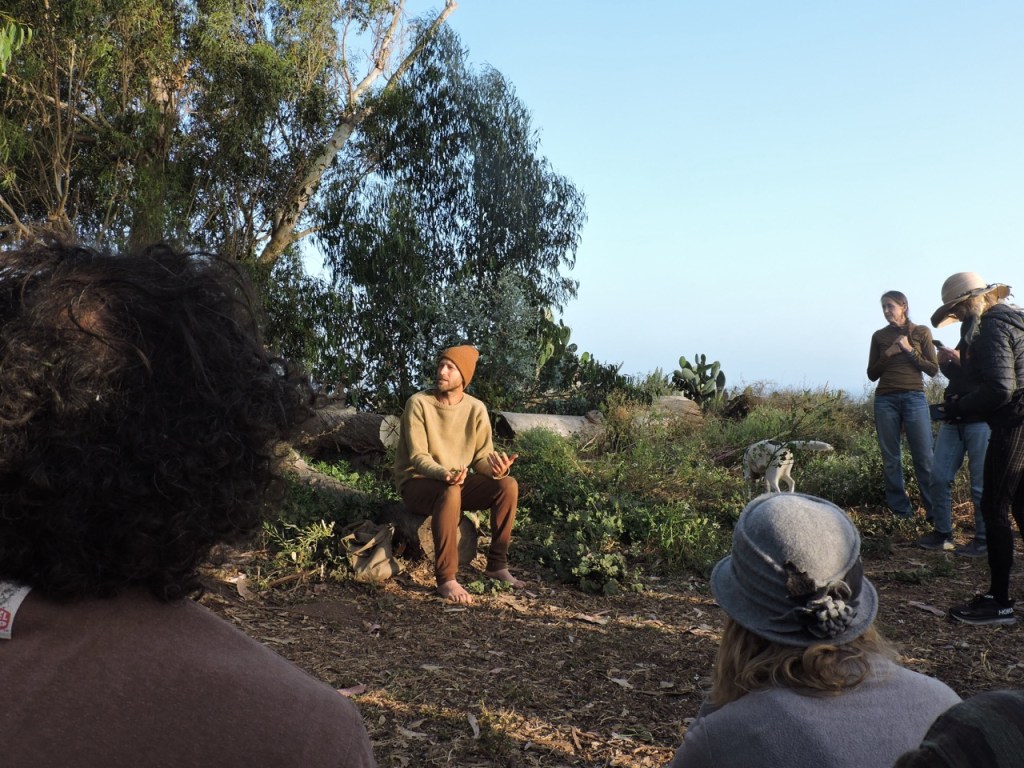
On June 1, activist Robin Greenfield guided Santa Barbara residents on a walk through Douglas Family Preserve to identify edible weeds in their own backyards. | Credit: Callie Fausey 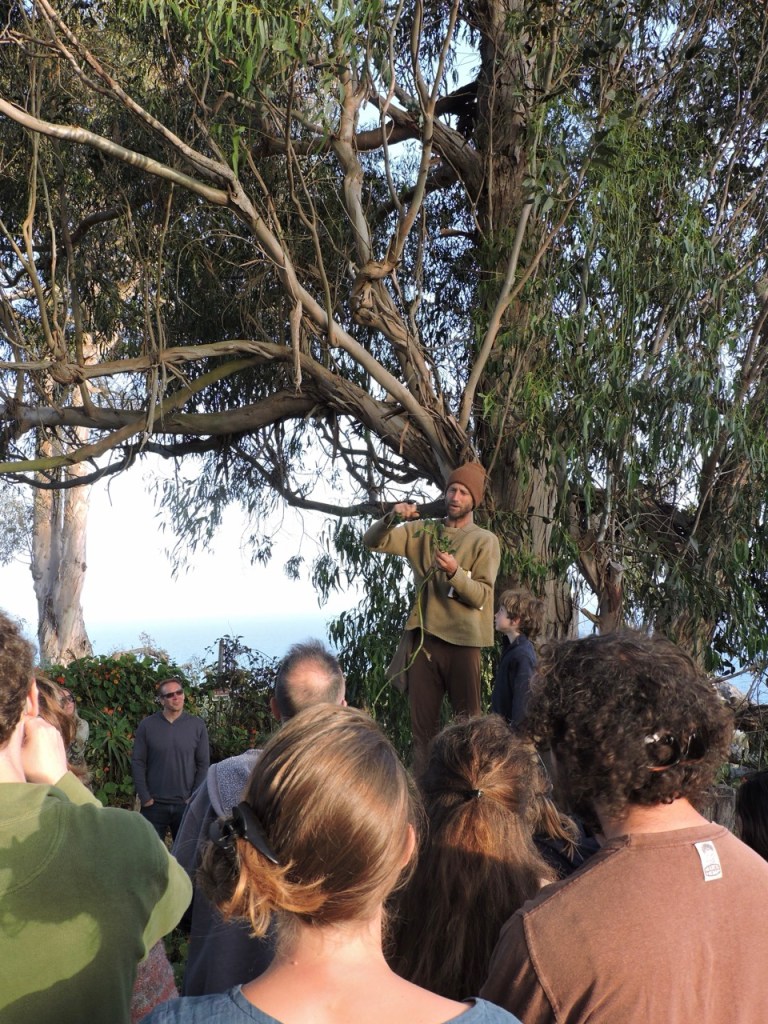
On June 1, activist Robin Greenfield guided Santa Barbara residents on a walk through Douglas Family Preserve to identify edible weeds in their own backyards. | Credit: Callie Fausey
While it wasn’t Greenfield’s first time in Santa Barbara, it was his first time at the Douglas Preserve. “I don’t really know where I am right now,” he said with a chuckle. “I was pretty impressed with how much food there is here.”
Santa Barbara does have its own population of local foragers. During the walk, Greenfield pulled a few pages from Ojai herbalist Lanny Kaufer’s book, Medicinal Herbs of California. A few walk attendees were already familiar with eating weeds. And one woman, a former Mesa resident and native landscaper, caught us picking at wild radish when she walked into the park with her dog, saying she has foraged in the preserve for 30 years and often throws wild radish on her salads.
She also threw us a warning that gave me pause about eating the seed pod Greenfield handed to me: “Dogs pee all over everything.”
So, at least at the preserve, maybe pick from above knee-height, or off the beaten path. Or just wash them when you get home.
Related Posts




Premier Events
Sat, Oct 24
2:00 PM
Santa Barbara
Japanese Sacred Architecture: Shinto and Buddhism
Sat, Oct 24
10:30 AM
Santa Barbara
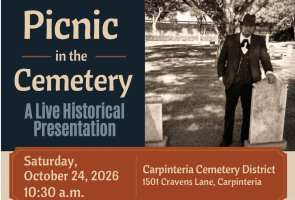
Picnic in the Cemetery: A Live Historical Event
Sat, Oct 24
11:00 AM
Goleta
2nd Annual Charger Cup to Benefit DP High Golfers
Sat, Oct 24
12:00 PM
Santa Barbara
Makers Hive Market
Sat, Oct 24
2:00 PM
Santa Barbara
Japanese Sacred Architecture: Shinto and Buddhism

Sat, Oct 24
2:00 PM
Santa Barbara
Thriller 2026 – Get Scary for Charity!

Sat, Oct 24
3:00 PM
Santa Barbara
Downtown Santa Barbara Trick-or-Treat

Sat, Oct 24
5:00 PM
Santa Barbara
15th Annual DSASBC Halloween Hoedown

Sat, Oct 24
5:30 PM
Solvang
Solvang Haunted House and Street Fair
Sat, Oct 24
7:00 PM
Santa Barbara
Anima: Theater of the Feminine Underground
Sun, Oct 25
11:00 AM
Santa Barbara
Free Family Day: Día de los Muertos
Sat, Oct 24 2:00 PM
Santa Barbara
Japanese Sacred Architecture: Shinto and Buddhism
Sat, Oct 24 10:30 AM
Santa Barbara
Picnic in the Cemetery: A Live Historical Event
Sat, Oct 24 11:00 AM
Goleta
2nd Annual Charger Cup to Benefit DP High Golfers
Sat, Oct 24 12:00 PM
Santa Barbara
Makers Hive Market
Sat, Oct 24 2:00 PM
Santa Barbara
Japanese Sacred Architecture: Shinto and Buddhism
Sat, Oct 24 2:00 PM
Santa Barbara
Thriller 2026 – Get Scary for Charity!
Sat, Oct 24 3:00 PM
Santa Barbara
Downtown Santa Barbara Trick-or-Treat
Sat, Oct 24 5:00 PM
Santa Barbara
15th Annual DSASBC Halloween Hoedown
Sat, Oct 24 5:30 PM
Solvang
Solvang Haunted House and Street Fair
Sat, Oct 24 7:00 PM
Santa Barbara
Anima: Theater of the Feminine Underground
Sun, Oct 25 11:00 AM
Santa Barbara



You must be logged in to post a comment.